Yes, provided your house isn't one of the pretty ones. There are over a hundred listed buildings. The old centre is a conservation area. The neighbours send in a couple of hundred planning applications a year. The ground under much of the town shifts with the weather. In Midhurst, the plainer the house, the easier it is to extend.
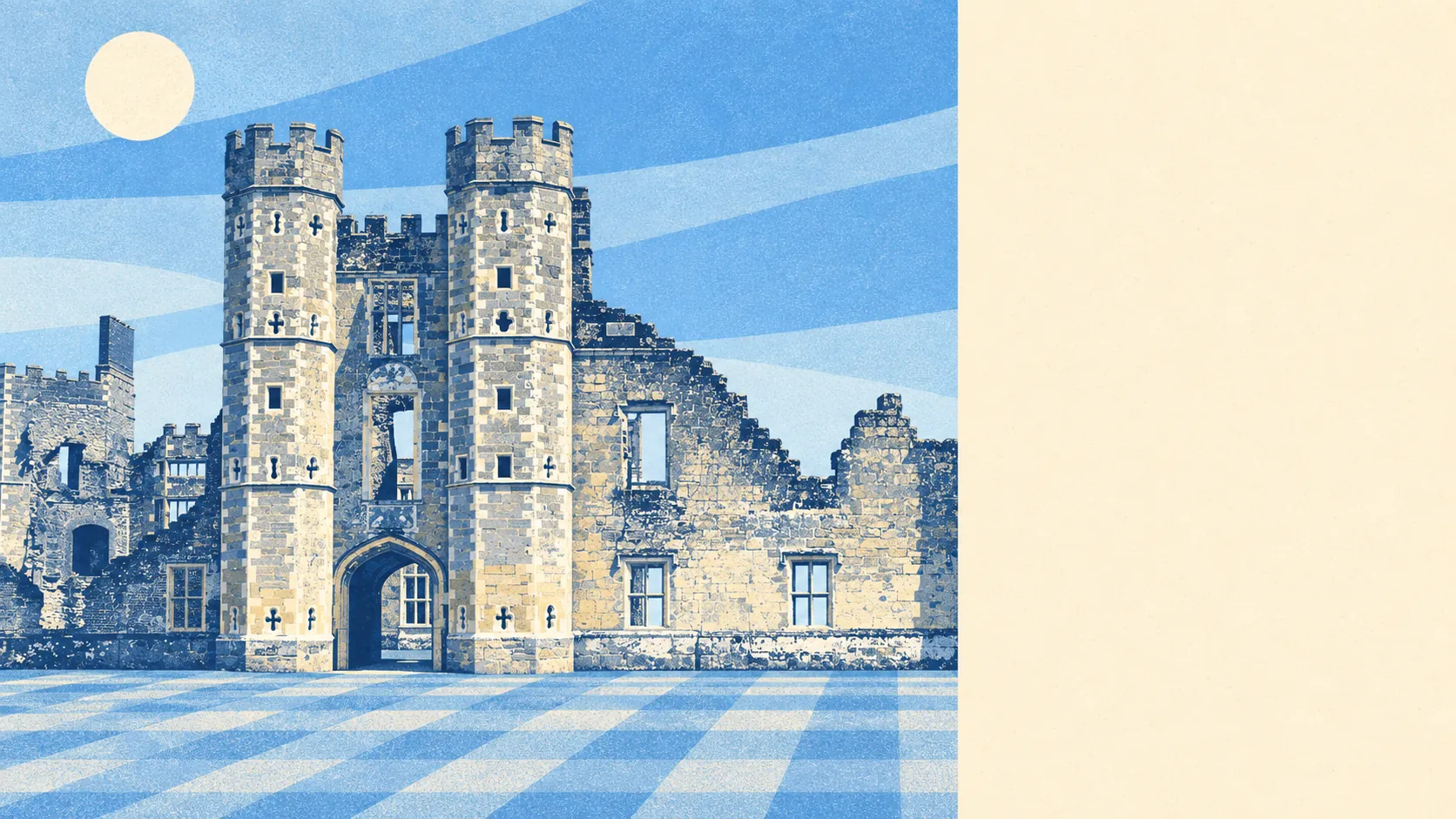
Historic England's list includes 115 listed buildings in the area. None is Grade I, 2 are Grade II* and 113 are Grade II. If a home is listed, you need listed building consent for almost any change that affects its character, inside or out, and that includes things you'd consider routine maintenance. Replacing a sash window counts, and so does knocking through a wall. With 113 homes and buildings at Grade II, a buyer looking in the old town is quite likely to end up owning one. If so, the planning officer effectively becomes a partner in the property.
There's one conservation area, Midhurst's own, and it covers the historic core. Being inside it doesn't stop you extending, but the council takes a closer interest in anything visible from the street, including extensions, demolition and some changes to trees. Some work that would count as permitted development elsewhere may need a proper application here. Check the specific address before you start drawing up plans.
There are also 2 scheduled monuments in the area, the strictest tier of protection there is. They're only a concern if your land adjoins one, but if it does, digging foundations anywhere nearby becomes a matter for Historic England rather than just your builder.
The planning register shows people get on with it anyway. There were 553 applications between April 2024 and June 2026, and 211 of them came in the last twelve months. Those figures are about how many applications were made, not how many succeeded. They show that altering a home in Midhurst is normal, even if it's rarely quick.
The ground needs as much attention as the paperwork. The British Geological Survey rates shrink-swell risk in the area at up to class 3, and about 58% of postcodes reach that level. It means clay soils that swell when wet and shrink when dry, which affects how deep an extension's foundations need to go. It's no reason to abandon the plan, but it is a reason to get a structural engineer involved before the builder, and to budget for foundations deeper than the ones on next door's plans.
In practice, a post-war house on the southern estates, around Little Midhurst, Holmbush and Fairway, outside the conservation area and not listed, usually has the most room for permitted development. A listed house in the old town needs consent for most changes, and a house in the conservation area sits somewhere between the two. Before you exchange contracts, check the listing, the conservation area boundary and the soil report.
Your freedom to extend in Midhurst is middling. It's generous on the newer estates and tightly restricted in the old town, and most people buy in the old town precisely because it's hard to change.