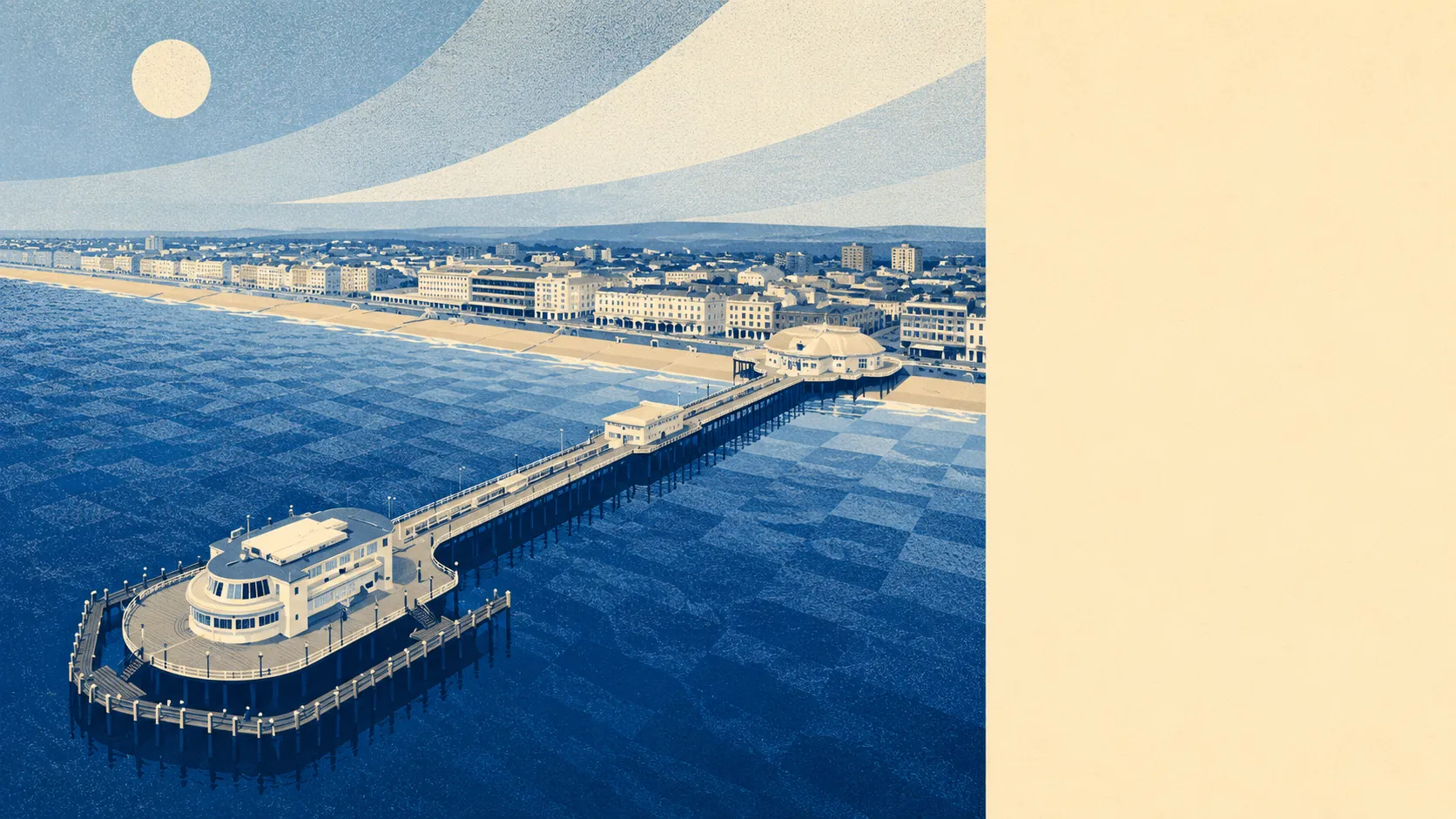
Extending in Worthing depends more on your address than your plans. Two hundred and sixty-two listed buildings sit inside the borough. Five conservation areas cover parts of the town and outlying villages. Two scheduled monuments sit inside the boundary too. Your freedom lives in the postcode, not the drawing.
The borough carries 262 listed buildings, split into six at Grade I, twelve at Grade II star, and 244 at Grade II. If a home falls into any of those grades, altering it requires listed-building consent alongside any planning permission, which is a separate application, a separate assessment, and a separate way to be told no. Grade I is the tightest bracket, applied to buildings of exceptional interest, so any change to a Grade I home starts with the assumption that the building matters more than the owner's preferences. Grade II star sits below that. Grade II covers the largest slice, and it's still not a free hand. A listed home's windows, roof, chimneys, internal features, and paint scheme can all be things the consent regime cares about, depending on how the listing was written.
Conservation areas add another layer. The borough has five, covering parts of Ferring, Clapham, Highdown, and the outlying Castle Goring, plus a fifth zone for which the location is not publicly disclosed. Inside a conservation area, the standard permitted-development rights that most homes enjoy get trimmed. That can mean planning permission for what elsewhere would be a routine change: a rear extension of a certain size, a side dormer, a satellite dish on a chimney, or removing chimney stacks. Article 4 directions can tighten further, requiring consent for changes like replacing windows or painting the front of the house a different colour. Whether your street sits inside or outside one of these boundaries determines whether a builder can start work directly or whether the paperwork comes first.
For a home outside a conservation area and not on the listed register, the standard permitted-development rights apply: a rear extension within the size limits, a loft conversion within the volume rules, a range of routine alterations that don't need a full planning application. For a home inside a conservation area, or listed, most of that shrinks away, and every meaningful change turns on a case-by-case reading by the planning department. The safe rule for any pre-war Worthing home is check first, spend later. The safe rule for a newer detached inland is that standard permitted development probably applies, but nothing is standard until the local planning authority has said so in writing.
Rated below average on freedom to extend, two out of five. The reason is density, not hostility. Two hundred and sixty-two listed buildings and five conservation areas in one borough, plus a substantial pre-war housing stock, mean a meaningful minority of Worthing homes come with the planning department attached to the deeds. Whether a specific house is one of them is the question that decides everything about the alteration.