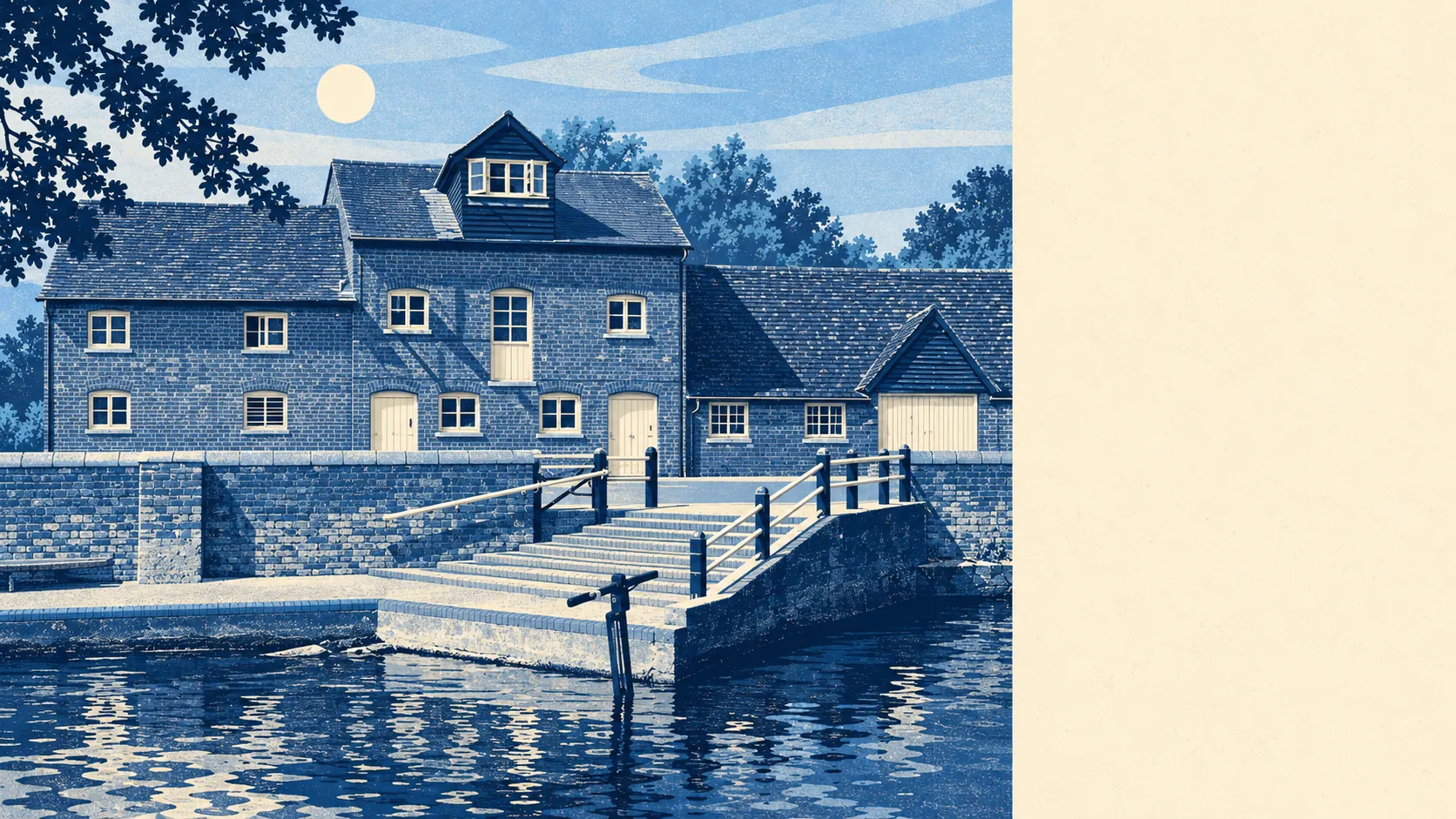
Wheathampstead is a village run by people with something to lose, which makes it a pleasant place to live and a punishing one to buy into. Three in four households own their home. Typical household income comes in around £76,000. A typical home sells for about £656,000, and the neighbours who make the place good are the same people who pushed the price up.
The owners hold the place firmly. Across the Wheathampstead area, Sandridge included, about 74% of households own their home, the median resident is 45 and about 48% of adults have a degree. The Office for National Statistics models gross household income at about £76,000 for the financial year to March 2023, averaged across the area. People like that fund the church roof, staff the committees and write to the council about the verges. The parish has form here. In 1639 one of its rectors lost his living for libelling Archbishop Laud, and today's letters to the council are better lawyered.
The money is where the welcome stops. The Land Registry recorded 80 sales in the year to May 2026, with a median of about £656,000. Detached houses went for about £940,000, semis for about £650,000 and terraces for about £515,000, and the ten flats that changed hands came in around £267,000. The most common council tax band is D, and only about 3% of homes are in bands A or B. Across the year, those ten flats were the only kind of home whose typical price came in under half a million.
Renting is no escape hatch. The Office for National Statistics puts the typical private rent across the St Albans council area at about £1,920 a month as of April 2026. That figure covers the whole district and its city flats as well as this village's semis.
Most people picture a timbered cottage and end up buying something younger. The council tax valuation list, which covers every home, has detached houses at about 31% of the stock, semis 25%, terraces 21%, flats 15% and bungalows 7%. Only about 15% of homes were built before 1930, and the bulk of the energy-certificated stock is post-war. Of the homes with a certificate, about 48% are rated A to C, 40% D and 12% E or worse, and about 79% of homes run on mains gas. For most buyers the £650,000 buys a well-kept post-war semi, with the half-timbering a short walk away.
Hertfordshire Constabulary's recorded crime for June 2025 to May 2026 works out at about 54 per 1,000 residents, about 34% below the St Albans district average. Violence and sexual offences make up about 41% of the total and anti-social behaviour about 22%. Both are broad police categories that lead the list almost everywhere, and neither tells you much about any one street.
The past weighs heavily on what you can change. The wider area holds 259 listed buildings, three of them Grade I and 14 Grade II*, and 12 conservation areas, including Gustard Wood, Mackerye End, Amwell and Sandridge. New windows, extensions and anything visible from the lane can need the council's permission first. The earthwork at Devil's Dyke, where Julius Caesar is said to have beaten Cassivellaunus in 54 BC, is a scheduled monument. Its protection is settled, even though historians still argue about the battle.
On flooding, about 6% of postcodes across the area carry a high rating on at least one flood indicator, surface water included. The Environment Agency's river-and-sea flood zones cover less ground, with about 1% of the area in Zone 3 and about 1% in Zone 2. Four floods are on record. The latest, in December 1978, came off a main river whose channel ran out of room, with no raised defences to stop it.
Green space is close for almost everyone. The average home is about 230 metres from the nearest green space and about 560 metres from water, with Nomansland common on the doorstep. The dog walk is excellent, and in a village this expensive the dog will be well groomed too.
The railway arrived in 1860 and left in 1965, and the village has since organised itself around that loss. At the last census about 51% of working residents worked from home, about 37% drove and about 3% took a train, from Harpenden or St Albans City. There are 186 bus stops, averaging about 30 weekday departures each. The Department for Transport's 2019 modelling put the nearest town centre about 13 minutes away by car and 24 by public transport, and a hospital about 29 minutes by car. Gigabit broadband reaches about 78% of the area, which explains how so many people manage without the train.
Schools come out solidly on the published results. The 16 primary schools in the surrounding postcode districts average about 107 in Key Stage 2 maths, and the five secondaries average an Attainment 8 score of about 54. St Helen's Church of England Primary School and Sir John Lawes School are among the names parents will hear. The 2019 modelling puts the nearest secondary about 12 minutes away by car and 39 on foot.
The village has drawn people who had seen a great deal of the world. Apsley Cherry-Garrard, the polar explorer, lived here. So did Rudolph Lambart, Field Marshal and Chief of the Imperial General Staff, and the character actor Reginald Owen. The country writer William Beach Thomas settled here late in life and is buried here. People who have been to the Antarctic and the front line, and then chose this place for afterwards, make a strong case for it.
Wheathampstead is right for settled households that have already made their money, work from home or drive, and want neighbours who run the place properly. First-time buyers, renters on one income and anyone who needs a train from the end of the road should look somewhere the starting price leaves room to breathe.
On balance it comes out better than average. The people are the reason to come, and the price of a home among them is the reason many buyers can't.