Yes, if you want an Edwardian terrace more than a driveway. Most homes are terraces or flats, and most went up before 1930. About half the households rent. Four in ten manage without a car. A park is a short walk from almost every front door. The railway built it as a suburb, and it still runs like one.
The terrace runs the place. On Croydon's council-tax list for Thornton Heath, about 46% of homes are terraced and 38% are flats. Semis make up 13% and detached houses 2%. Around 60% were built before 1930, so the house you view is probably from the first big wave of building after the railway arrived. Energy certificates put nearly half the certificated homes in band D, 40% at C or better and about 12% at E or worse. About three-quarters of homes heat with mains gas. Around 9% run on electricity alone, and in a converted Edwardian flat that is usually a bank of storage heaters doing their best against a ceiling built for a coal fire.
The Land Registry recorded 221 sales in the twelve months to May 2026, at a median of £420,000. Terraces went for about £445,000, semis for £484,000 and flats for nearer £274,000. Four detached houses sold all year, at a median of about £558,000. Anyone quoting you "the going rate" for a detached house in Thornton Heath is working from a sample that would fit in one people carrier. Band D is the most common council-tax band, and about 24% of homes fall in bands A or B.
Renting costs about £1,560 a month across Croydon as a whole, the Office for National Statistics' typical private rent for April 2026, up roughly 4% on a year earlier. That is a borough mean covering everything from studio conversions to family semis. With about half of Thornton Heath's households renting, plenty of the neighbours are paying something close to it.
The Metropolitan Police recorded crime here at a published rate of about 117 per 1,000 residents in the year to May 2026, roughly 7% above the Croydon average. The mix differs from the national pattern in two ways. Antisocial behaviour is about 20% of recorded crime, against 16% nationally, and vehicle crime about 9%, against 5%. Across the force, about 10% of outcomes ended in a charge, a little below the 12% national rate, and in about 53% no suspect was identified. The car parked outside is the thing most at risk, which is a decent argument for joining the four in ten who don't own one.
Ofsted has graded 56 settings across Croydon, and 47 are good or outstanding, 10 of them at the top grade. Those are borough figures. In the district itself, the average Key Stage 2 maths score across its 11 primaries is 106, and the one secondary inside the postcode district averages about 46 on Attainment 8. Primaries close by include Whitehorse Manor Infant and Junior Schools, Beulah Infants' and Ecclesbourne, with Norbury High School for Girls nearby. The old Whitehorse manor house, once the big house of the area, is now a school too.
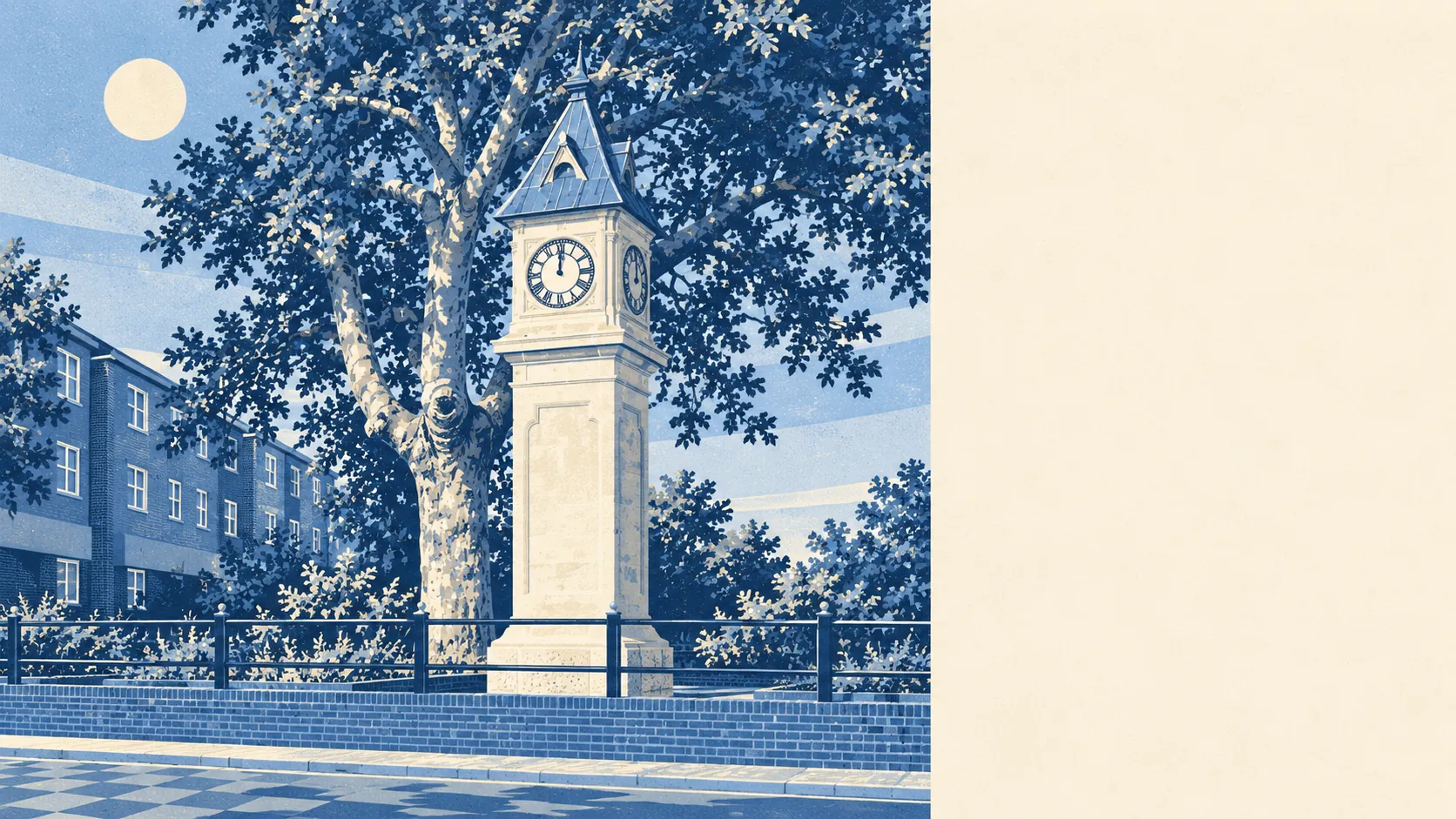
Thornton Heath Rail Station is on the Victoria branch of the Brighton Main Line, with Selhurst one stop down and Norwood Junction on the London Overground close by. At the census only about 10% of working residents went by train, against 17% by bus and 27% working from home. The buses do the heavy work. There are 206 stops, the average one sees about 404 departures each weekday and around 22 an hour at peak, and every stop with timetable data has a weekend service. The Department for Transport's 2019 model gives 14 minutes to a town centre by public transport, and that kind of figure gets less reliable as routes change. Gigabit broadband reaches about 95% of premises. The landmark at Thornton Heath Pond is Arriva's bus garage, and the commuting figures explain why.
Flooding here mostly means surface water. About 24% of postcodes show high risk on at least one flood indicator, surface water included, and about 56% show at least low risk. The Environment Agency's river-and-sea flood zones are much smaller: about 3% of postcodes are in Zone 3 and 2% in Zone 2. That gap means heavy rain with nowhere to drain is the worry, more than any river. Put the exact address into the Environment Agency's long-term flood risk service and look at the surface-water layer, because a cheap terrace on the wrong dip in the road can cost more to insure than to heat. Green space makes up for a lot. On average the nearest one is about 176 metres away, with 24 inside a kilometre.
Heritage rules rarely get in the way. The district has 21 listed buildings: one Grade I, one Grade II* and 19 Grade II. Six conservation areas fall in the wider surroundings, including Beulah Hill, Norbury Estate and Harold Road. Most terraces sit outside all of them, so a loft or a rear extension goes through ordinary planning. Very few homeowners here will ever need to learn what an article 4 direction is.
About 50% of households own their home and the median resident is 37. Modelled household income before tax averaged about £66,700 in the financial year to March 2023. Around 27% of households are one person living alone. The place is full of people at the age when a second bedroom stops being for guests and starts being for a cot.
It suits buyers who want a period terrace within reach of Victoria and will use the bus without sulking. Car-free couples, first-time buyers moving from a flat to a house, and parents of primary-age children who are happy to check catchments school by school will find the trade works.
It suits people less well if they want off-street parking, a detached house, or a home on low ground with no surface-water history to look up. The car crime figures and the drainage both count against anyone whose plans depend on a vehicle on the street or a basement.
Between 1861 and 1911 Thornton Heath went from an isolated rural outpost to a metropolitan suburb, and its gravelly soil once supported market gardens and gravel pits. The district counts the actor Eric Barker, the artist Alfred J. Bennett, the athlete Mary Berkeley and the cricketer Martin Butcher among its people, along with Desmond Dekker, Jane Drew and London Hughes. A town that began as a pond on the London to Sussex road has produced more names than most commuter suburbs bother to.
Thornton Heath is better than its reputation and about as good as its price. Its real strength is the surroundings: parks close to almost every door, frequent buses, and a train to Victoria. The weak spot is flooding, mainly from surface water, and that can vary from one end of a road to the other. Buy the terrace, check the drains, and leave the car somewhere else.