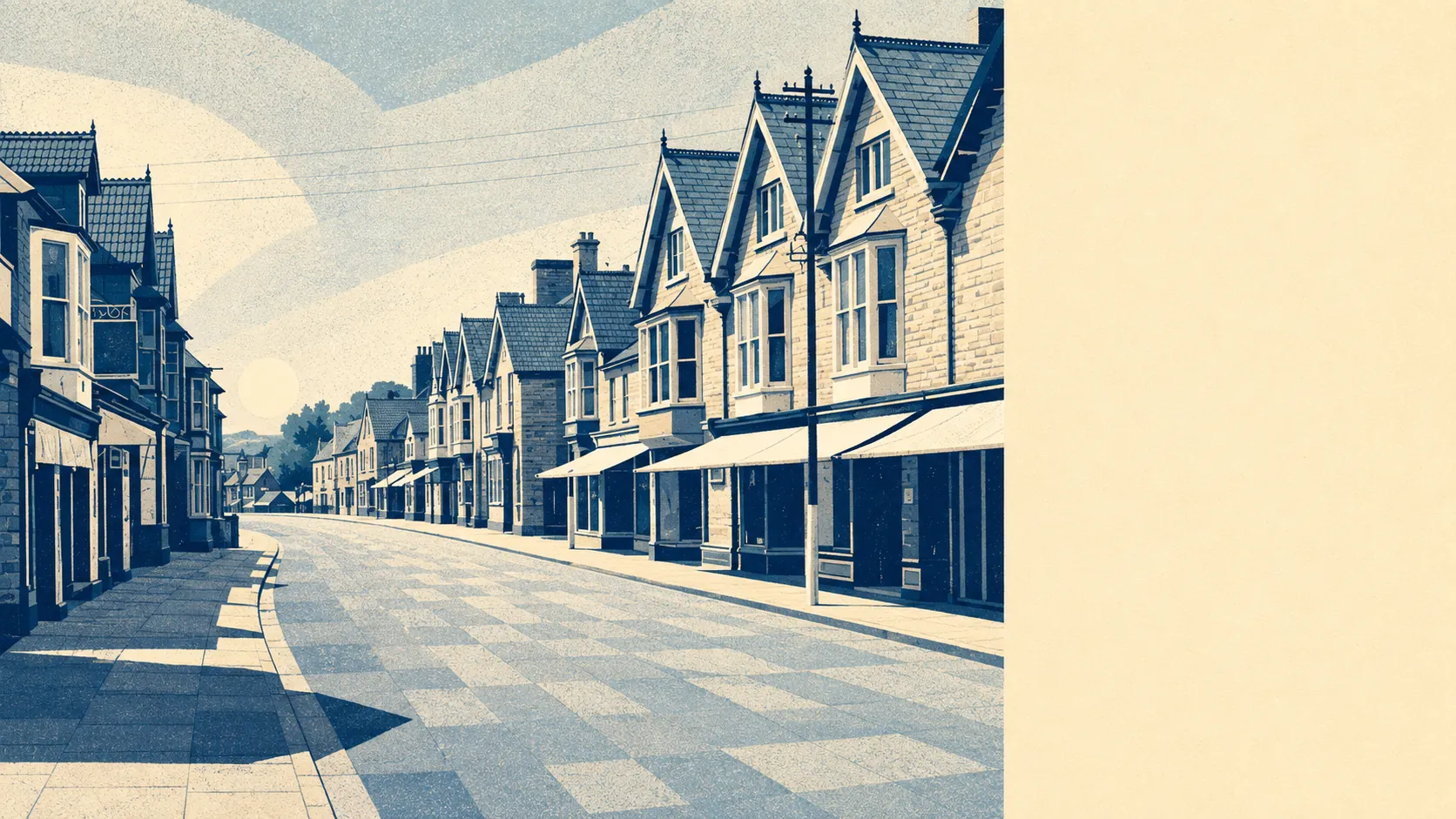
Yes, and with less argument than most of this corner of Somerset requires. Only a small number of buildings here are listed. There is one conservation area, covering the old core. The bulk of the town went up after the war and carries no designation whatsoever. Street is the unusual Somerset address where the planning department is not automatically the first phone call.
The heritage register carries 31 listed buildings across the area, of which 1 is Grade I and 30 are Grade II. There are no Grade II star entries at all. If your house is one of those 31, the rules change completely: listed building consent is required for alterations affecting its character, that includes internal work rather than just what the street can see, and carrying out work without consent is a criminal offence rather than a paperwork problem. A town that made its money from shoe manufacturing rather than wool or abbeys was never going to accumulate a starred register, and 31 entries for a place this size is a light burden by local standards.
One conservation area sits over the historic centre. Designation adds a layer of control on top of ordinary planning rules, tightening what can be demolished and how alterations read from the street. It does not freeze the place, but it does mean the answer to "can I put that in" stops being obvious and starts being a conversation. Whether any additional restriction applies to a specific address is a question for the council rather than for an estate agent's particulars, and it is worth asking before the architect draws anything.
The live evidence is that people alter homes here constantly. The planning record carries 169 applications across the area between April 2024 and June 2026, with 78 of those falling in the most recent twelve months. That is a steady flow of loft conversions, rear extensions, garage infills and the rest, in a town of this size. Whatever the constraints look like on paper, they are not stopping anyone from getting on with it.
The practical division is straightforward. Around 17% of dwellings on the council-tax valuation list predate 1930, and the older stock clusters in and around the designated core. Everything else, which is the substantial post-war and later majority, sits outside designation, and the ordinary permitted development rights apply in the normal way to the semis and detached houses that make up most of the town. Those rights have conditions and limits attached, and permitted development is not the same thing as unrestricted, but for the average Street homeowner wanting a rear extension it is the route rather than the exception. The people who need to check carefully are the ones who bought the character property, which is precisely the group least likely to want to hear it.
Freedom to alter a home here sits comfortably in the middle: not the free hand of a modern estate, not the permission-for-everything regime of a heritage town two miles up the road. Buy in the old core and budget for the process. Buy anywhere else and budget for the builder.