The area around Iver Heath is the best thing about living there. Parks are a few minutes' walk from most front doors. Lakes and canal locks are close by. There are plenty of pubs and few restaurants. None of the countryside is famous, and that suits the people who use it every day.
Across the Iver Heath area, the nearest public green space is about 260 metres away on average, and the typical home has about 8 green spaces within a kilometre. Langley Park, Ditton Park and Bulstrode Park are all in the surrounding area, along with the country park at Stockley Park. The dog gets a better deal here than the commuter.
Water is just as close. The nearest lake, river or canal is about 580 metres away on average, and the typical home has about 19 bodies of water within a kilometre, from the River Colne to the canal at Cowley Lock and Uxbridge Lock. For somewhere nowhere near the sea, it is hard to get far from water.
The National Cycle Network is about 1.2 kilometres from the average home, and about 23% of postcodes are close to it. Ancient woodland covers about 1% of the area.
The rating list for the wider area includes 218 shops, 219 offices, 24 pubs and 10 restaurants. People here mostly eat at home and drink out. Of the 54 food outlets with a hygiene rating, about 67% hold the top score of five and about 9% are rated at the low end. The odds are good, but check the rating before booking somewhere new.
Buckinghamshire recorded fine particle pollution averaging about 7 micrograms per cubic metre in 2024. That is a council-wide figure, and it doesn't cover the air next to any particular road.
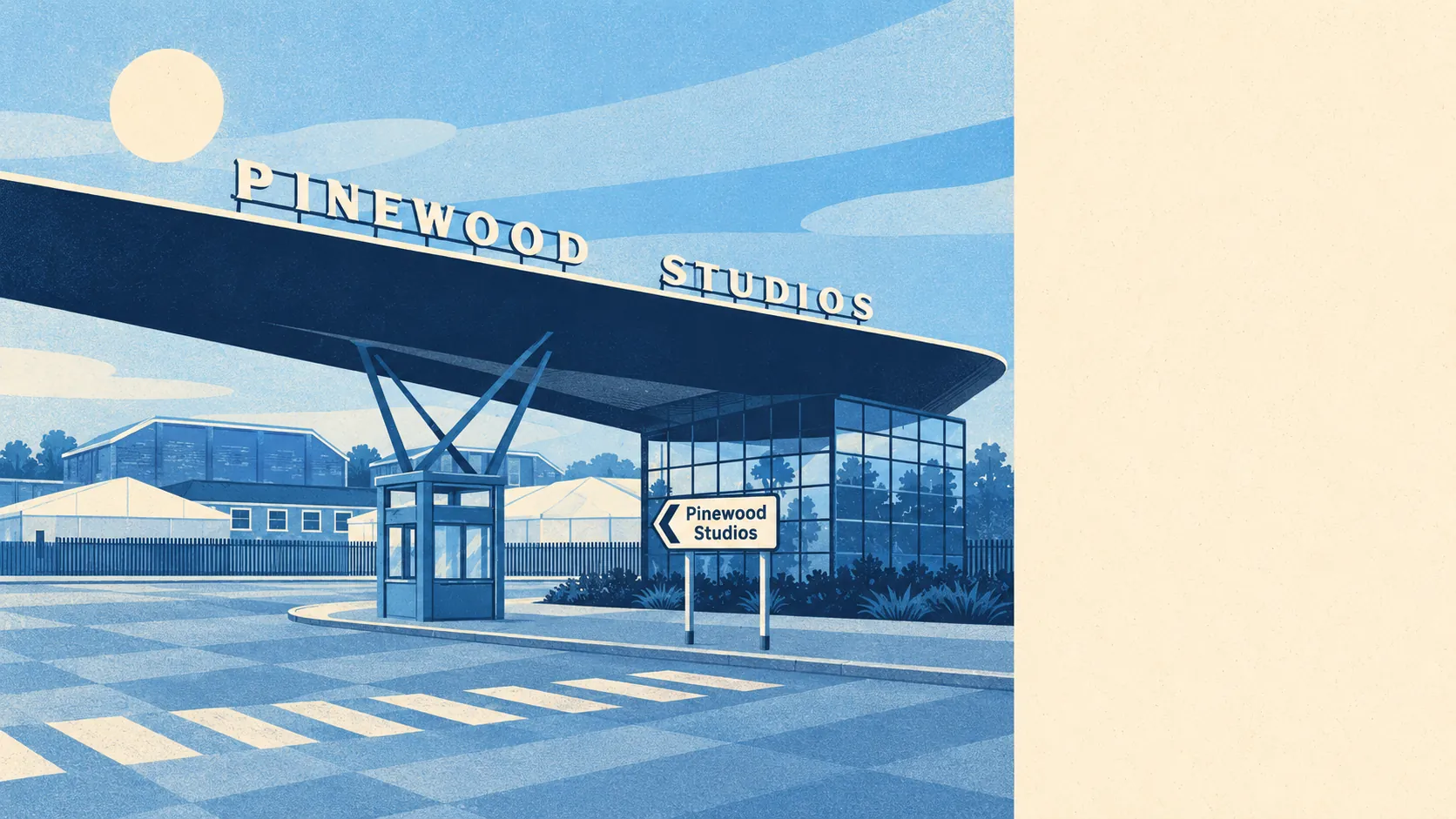
The area mixes post-war closes, older villages and estate land that has changed hands for centuries. Iver has its own conservation area and Richings Park grew out of an estate the Bathursts held. Heatherden Hall was a retreat where politicians and diplomats met in private in the 1930s. The roads between them are ordinary suburban streets, with a great deal of green on either side.
Homes here have generous gardens. The Iver Heath area has about 191,000 square metres of private garden for every 1,000 residents, which is a lot of lawn for somewhere so close to the edge of London. Most houses have a garden big enough to use, and plenty have room to spare.
The business rates list holds 373 premises across the core area. These are buildings on the valuation list, so the count says nothing about which businesses are trading today. That figure and the wider count above both point the same way: a lot of the premises here are workplaces, and leisure takes a smaller share.
Eating out is a modest affair. Two-thirds of the 54 rated food premises hold the top hygiene score and about 9% sit near the bottom, so most places are well run and a few need checking.
None of the surrounding land is in an Area of Outstanding Natural Beauty or a Site of Special Scientific Interest, and ancient woodland covers only a sliver of it. Nothing nearby is protected for its looks. The parks, lakes and fields are there to be used, and people use them.
The surroundings are one of Iver Heath's real strengths. Parks and water are within easy walking distance of almost every home, which plenty of more expensive places cannot match.