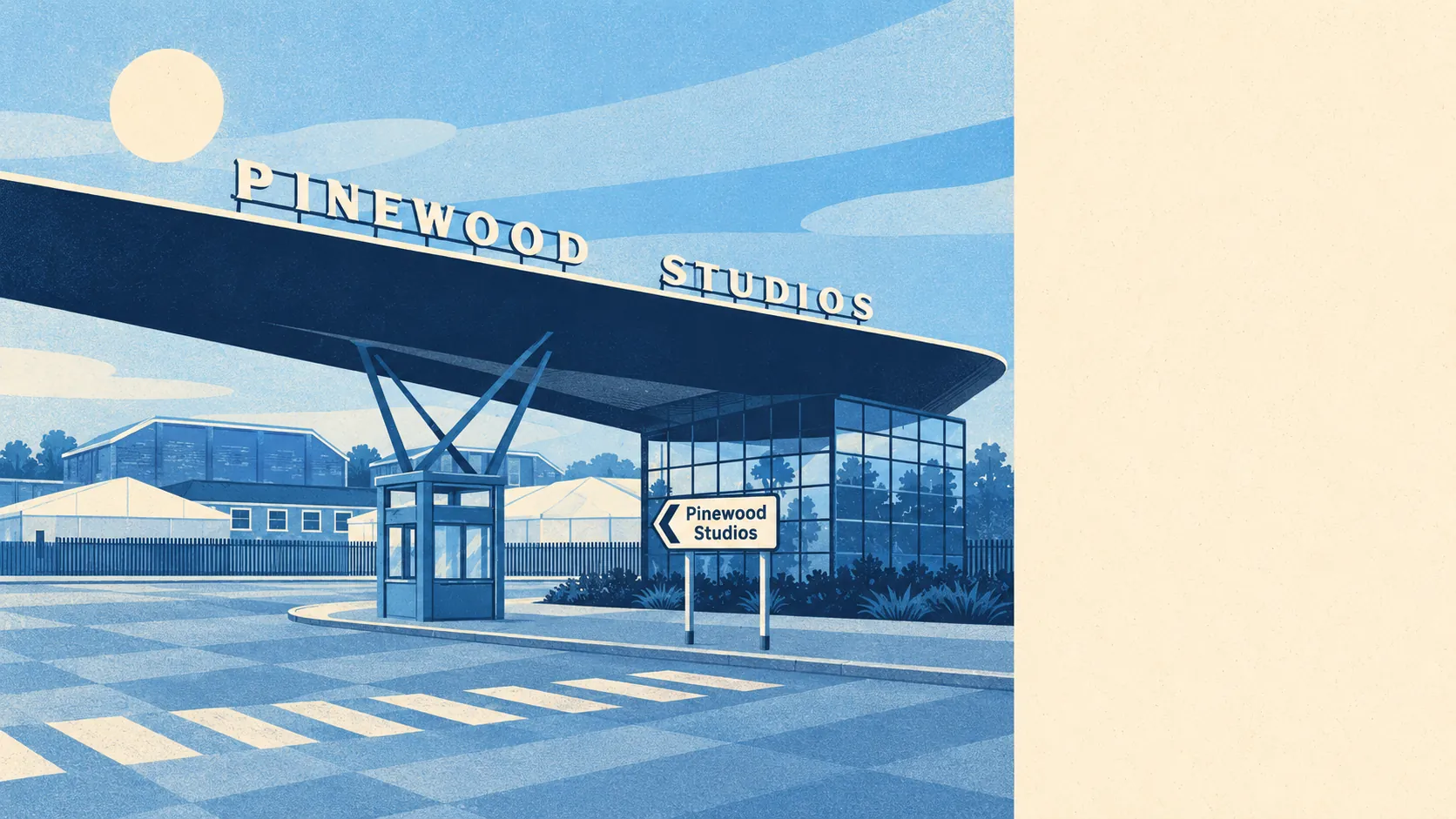
Iver Heath is a decent place to live if you see a house mainly as somewhere to park the cars. Seven in ten households own their home. More than half run two cars or more. Hardly anyone takes the train, and there is green space at the end of most roads. It is green at the edges and run from the driver's seat.
Semis are the most common homes on the council-tax valuation list for the Iver Heath area, at about 27%. Detached houses follow at 22%, then flats at 18%, terraces at 17% and bungalows at 10%. Only 11% of homes were built before 1930, and the energy certificates show mostly post-war stock. Just under half of certificated homes rate C or better, 38% are at D and about 14% are at E or worse, while 82% of households heat with mains gas. Grant Morden, a Canadian financier, gave Heatherden Hall a huge ballroom and a Turkish bath. Everyone else got a gas boiler.
In the Land Registry's twelve months to May 2026, 112 homes sold across Iver Heath and the surrounding villages at a typical price of £573,000. Detached houses went for about £811,000, semis for about £635,000, terraces for about £445,000 and flats for about £315,000. Band D is the most common council tax band, at about £2,530 a year from Buckinghamshire, and only 12% of homes fall in Bands A or B. Cheap for the county it is not, and the valuation list agrees.
Renting means working from a county-wide number. The typical private rent across Buckinghamshire was about £1,470 a month in April 2026, up 5% on a year earlier. That is a mean for the whole authority, and the area's mix of semis and detached houses may pull local asking rents away from it in either direction. A three-bedroom home averaged about £1,600 a month across the county.
Safety is the weak spot. Thames Valley Police publish a rate of about 78 crimes per 1,000 residents for the Iver Heath area in the year to May 2026, roughly 20% above the Buckinghamshire average of 65. Vehicle crime makes up about 9% of the total, against 5% across England and Wales, and criminal damage about 10%, against 7%. Anti-social behaviour is lower than usual at 10%, against a national 16%. The force charged about 9% of crimes over the same year, against 12% nationally, and that is a force-wide figure for the whole Thames Valley. Run two cars on the drive and you have given someone a choice.
Schools are a strength. The eight primary schools in the area's postcode districts averaged a maths score of about 107 at the end of Year 6, and the national expected standard is 100. Iver Heath Infant School and Nursery and Iver Heath Junior School serve the village itself, and the Department for Transport modelled the typical walk to a primary school at about 13 minutes in 2019. Across Buckinghamshire, Ofsted has graded 80 of 94 settings good or outstanding, 19 of them outstanding, though that is a county count. Secondary is harder. The modelled walk is about 43 minutes, against about 11 by car.
The Census caught 47% of working residents driving to work in 2021, 41% working from home and 2% taking a train. Lockdown inflated that home-working figure, so the true commuting split now is unclear. Iver Rail Station and West Drayton Rail Station are both nearby, and about 38% of postcodes are close enough to a railway to fall in the 65-decibel noise band. In Iver Heath the railway is mostly something you hear. The buses are better than the commuting figures suggest. Across 76 stops, the average stop has about 152 departures on a weekday and nine an hour at peak, and 99% of stops have a weekend service. About 91% of the area can get superfast broadband, but only 57% can get gigabit.
The surroundings are the best thing about the place. The nearest green space is about 260 metres away on average, with about eight within a kilometre, and the nearest water is about 580 metres off. Every postcode, though, is near a road loud enough to fall in the 65-decibel band, so green space is easy to find and silence is not. On flooding, about 13% of postcodes score high on at least one flood indicator once surface water is counted, and 19% score medium. In the Environment Agency's river-and-sea flood zones the picture is far better: under 1% of postcodes are in Zone 2 and none are in Zone 3. The only recorded flood, in January 2014, came from local drainage. Check the exact house on the Environment Agency's surface water map, because that is where the risk lies.
The nearby heritage holds 57 listed buildings: one Grade I, three Grade II* and 53 Grade II. Six conservation areas fall within the surrounding area, including Iver, Cowley Lock, Uxbridge Lock and Rockingham Bridge. Most post-war semis are outside them, so the usual extension rules apply to most homes. Two of the conservation areas named are canal locks. More of the protected ground nearby is towpath than village green.
About 70% of households own their home, the median resident is 43, and the Office for National Statistics models gross household income at about £68,000 for the financial year to March 2023. That income figure is averaged across two larger statistical areas. This page also covers Iver village, with its older core, and Richings Park, once the Bathurst family's estate. The Bathursts sold Richings Park in the 1700s and married back into it in 1924, when Viola Meeking became a Bathurst.
Iver Heath suits families who drive, want a primary school within walking distance and like having green space close by. It also suits people who work from home and only need the motorway now and then, provided they check the broadband at the exact address.
It suits people who want to walk to a station and a high street less well, and it will frustrate anyone who expected Buckinghamshire to mean low crime. People who need to sleep with the windows open should drive past on a weekday evening before deciding.
The parish has had some famous residents. Prince Edward, Duke of Kent, lived at Coppins in Iver. Prince Michael of Kent was born there, and Princess Victoria lived in Iver in her last decade. Matty Cash grew up in the village before playing for Aston Villa and Poland. Linford Christie lived in Iver too, which makes him one of the few residents known for getting anywhere fast without a car.
Iver Heath is an average place to live, and the average hides a clear split. Its real strength is the surrounding area: green space within a few minutes' walk, water nearby and good primary schools. Its weak spot is safety, with a crime rate a fifth above the rest of Buckinghamshire and thieves who like cars. A family with two cars, a garage and a primary-age child will get on well here. Anyone who leaves an expensive car on the street overnight had better have good insurance.