Gloucester sells a family house for about £250,000, and the cathedral comes with it at no extra charge. Flats go for around £140,000. Semis go for about £280,000. Detached houses top the typical range at about £400,000. Two working salaries can still buy a three-bed here without moving to the edge of the county.
The Land Registry recorded 1,101 sales in Gloucester in the year to May 2026, and the middle one went for £250,000. Flats sold at a median of about £142,000, terraces at £215,000, semis at £280,000 and detached houses at £400,000. Semis were also the busiest type, with 432 sales, against 277 terraces, 206 flats and 186 detached houses. Most of the city was built in the decades after the war, and its housing market still runs on the semi.
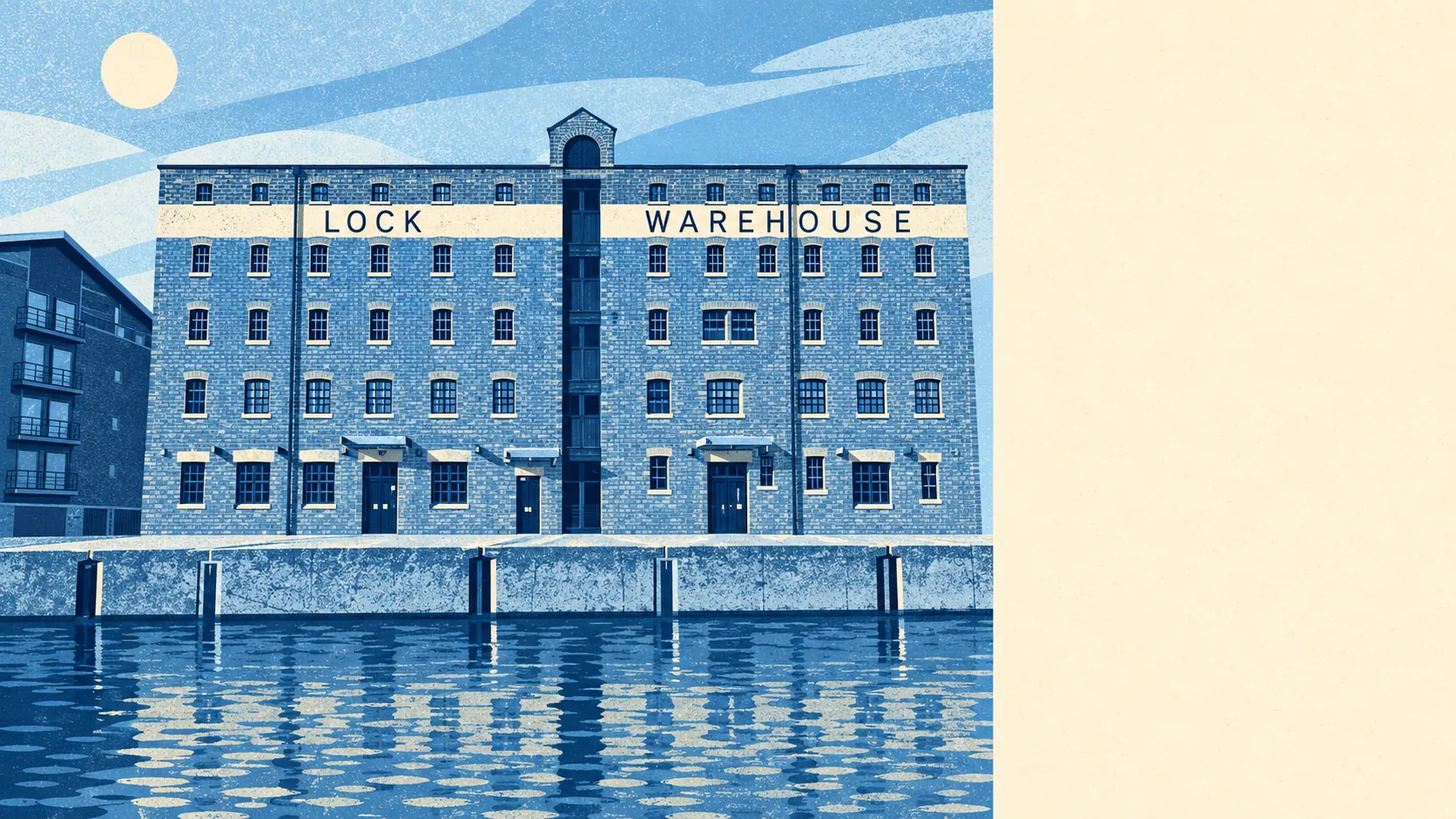
The Office for National Statistics' house price index for the Gloucester council area rose by about 5% in the year to May 2026, to an average of around £242,000. Flats rose by about 1%. Over five years the index is up about 20%. Many of the old dock warehouses were turned into flats, and the people who bought them have had a slower year than the people with gardens.
Band A is the most common council-tax band in Gloucester, and about 57% of homes are in A or B. A band D bill comes to about £2,356 a year and a band A bill to around £1,570. Sales brochures tend to lead with the cathedral views and leave the band in small print, even though the band is the better news.
Gloucester's private renters paid about £1,110 a month as of April 2026, according to the Office for National Statistics' rent index for the whole council area. That figure is a mean across all rented homes, not a median of what landlords are currently advertising, and it was up about 8% on a year earlier. By size, a one-bed averages around £740, a two-bed £970, a three-bed £1,210 and a four-bed or larger about £1,650.
The Office for National Statistics models gross household income, before tax, at about £52,000 across the area for the financial year to March 2023. Set against a £250,000 median, a typical house is within reach of a two-income household with a deposit, and a £215,000 terrace is closer still. That income figure is three years old and modelled, so a household's own payslips are the better guide.
About 84% of last year's sales could be matched to an energy certificate's floor area. Across those sales, the median price was about £3,200 per square metre, on a typical floor area of 84 square metres. The floor area on a house's energy certificate is the one behind this figure. Comparing it with the brochure's floorplan shows which of the two numbers the asking price is based on.
At the 2021 census, about 41% of Gloucester homes had three bedrooms, 26% had two, 21% had four or more and 12% had one. A first-time buyer hunting for a one-bed is shopping in the smallest part of the city's market.
Prices are one of Gloucester's real strengths. Ordinary incomes can reach the houses, and most of those houses are three-bed semis with room for a family.