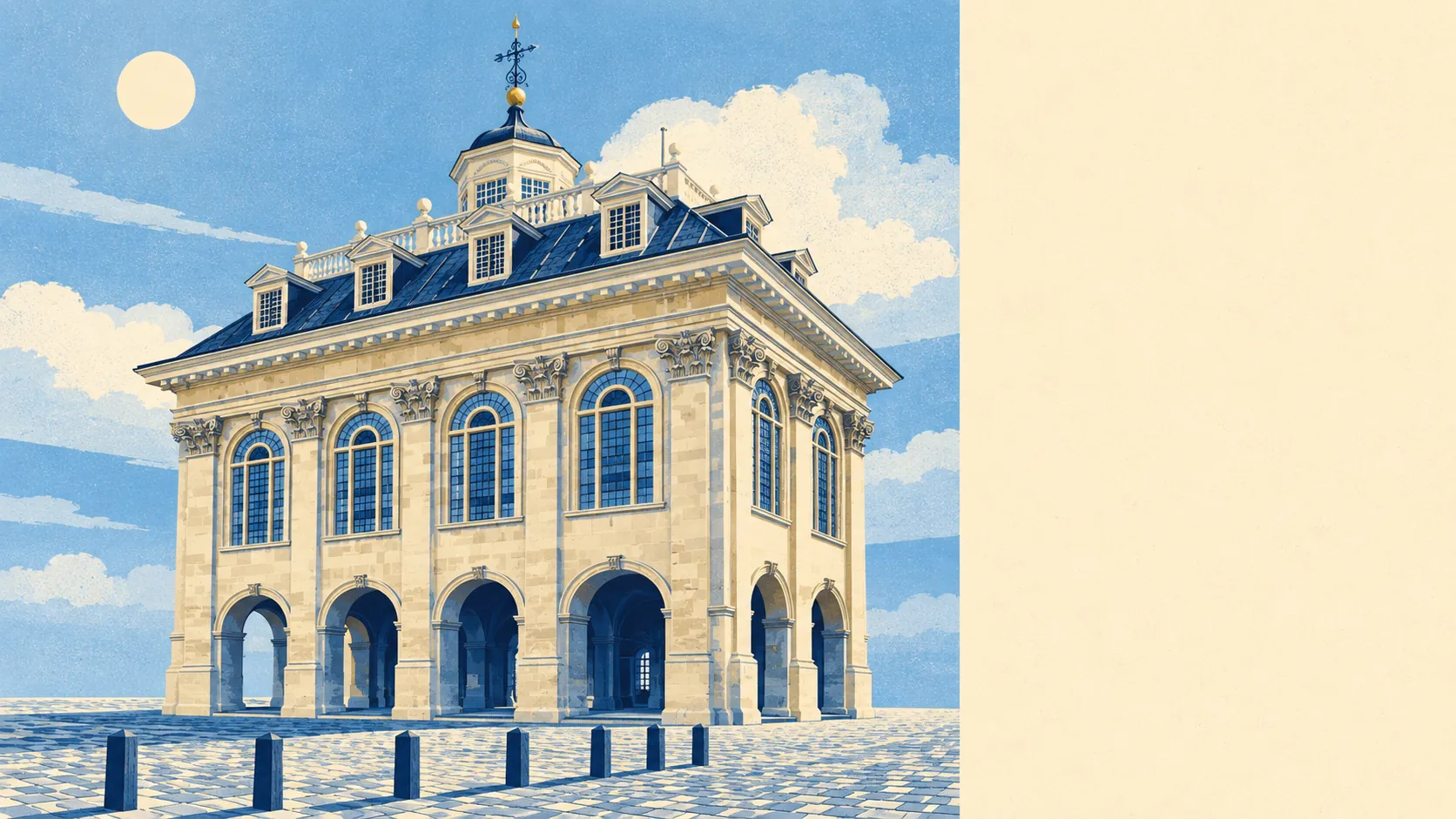
The area around Abingdon-on-Thames is green and wet, and it starts close to home. The average home has a park within a couple of hundred metres. Water is about as close. There are more green spaces within a kilometre than most people will ever visit. Most residents can reach the countryside without getting in the car.
The nearest green space is about 130 metres from the average Abingdon home, and there are around 22 within a kilometre. That's enough choice that dog walkers can have a favourite and a spare. Albert Park is on the national register of historic parks and gardens, so at least one of those green spaces has a protected place in the town's history.
Water is about 200 metres from the average home, and there are around 60 rivers, streams, ponds and other bodies of water within a kilometre. The Thames is the obvious one, and the town has organised itself around it. Abingdon Rowing Club and the April head race give the river a crowd most weekends in season.
The National Cycle Network is about 700 metres away on average, and about 42% of postcodes are close to it. There's no ancient woodland in the area, so getting out into the country here means riverbank and field edges, not old forest.
The rated-premises records count 249 shops, 45 pubs and 21 restaurants in Abingdon. That makes for a working market town with more pubs than restaurants. Brewing came back to the town in 2010, when Loose Cannon set up on the Drayton Road Industrial Estate, so some of those pubs pour beer brewed in Abingdon again.
In 2024, fine-particle pollution across the Vale of White Horse council area averaged about 7 micrograms per cubic metre.
The countryside around the town is a mix of villages and big houses. Radley, Sunningwell, Culham, Drayton and Kennington are all close by, and Nuneham House and the gardens at Sutton Courtenay Manor are among the area's best-known estates. The town's name is thought to have started on Boars Hill, above the valley, before moving down to the river with the abbey. For a market town, Abingdon has plenty of surrounding country to explore without leaving the parish map. The Abingdon Sevens has opened the rugby season here every year since 1956, so a good part of the green space has a scoreboard.
Private gardens are plentiful. The area has about 108,000 square metres of private garden for every 1,000 residents, which is generous for a town of semis and terraces. The post-war housing that dominates Abingdon was built with back gardens, and most of them are still there.
The council's valuation list counts 872 rateable premises in the area. The two biggest groups are offices, at 270, and shops, at 202. These are premises on the rating list, not a count of businesses open today, but the mix fits a town that works in offices and shops locally.
Food hygiene is good. Of 176 rated food premises, about 69% hold the top score, and about 3% are at the low end of the scale.
The area has no protected landscape designation. There's no area of outstanding natural beauty, no site of special scientific interest and no ancient woodland. Abingdon's green space is for everyday use, not for conservation.
The parks, the river and the cycle paths within a short walk are one of the best reasons to live in Abingdon, and they're close enough to use every day.