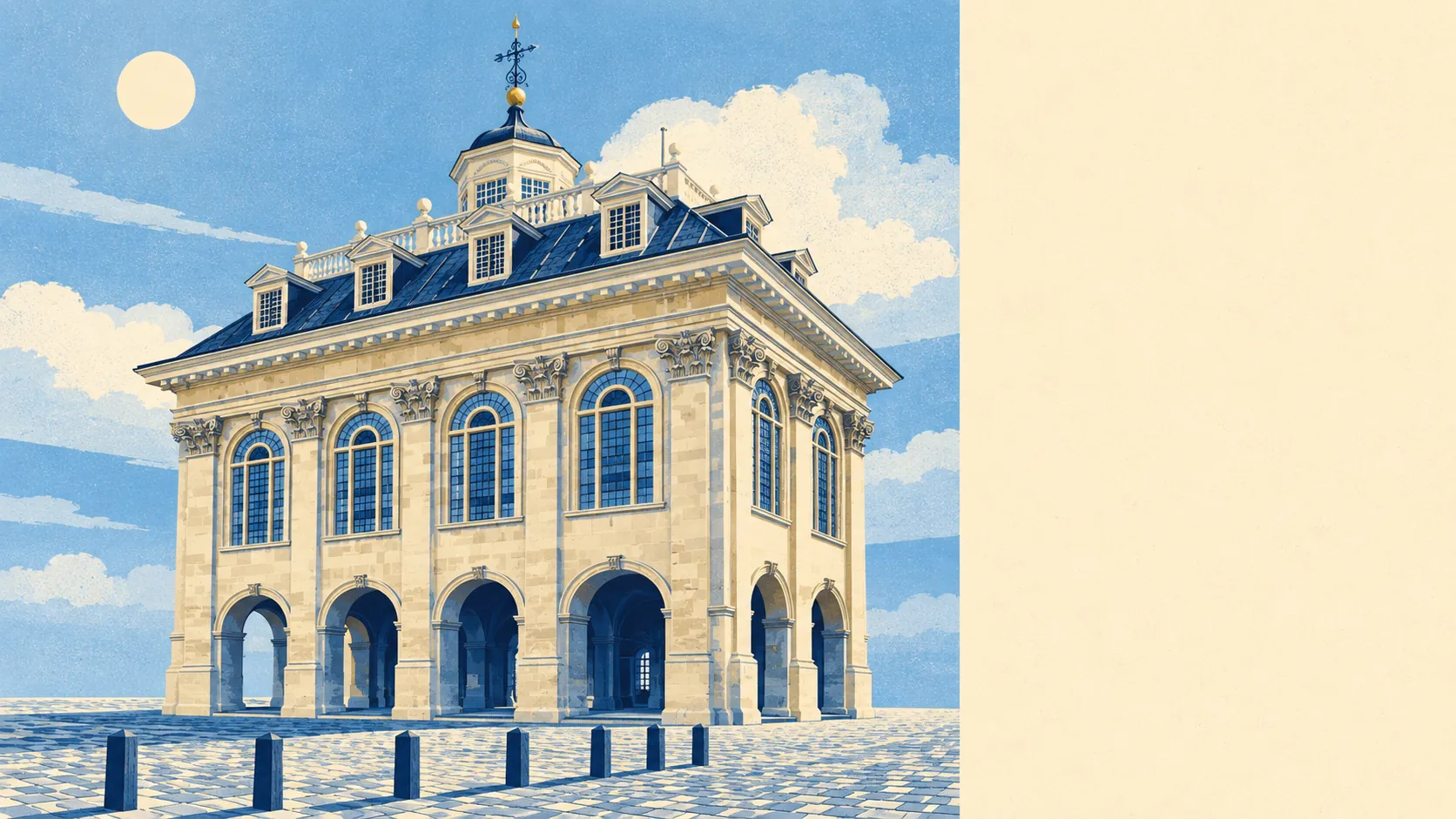
Yes, across much of Abingdon-on-Thames, but in the old centre you'll need permission for almost anything. There are close to 300 listed buildings. There are three conservation areas. The whole town is built on clay that shrinks and swells. In the post-war streets an extension is mostly a building job, while in the historic centre it starts with a lot of letters to the council.
The Abingdon area has 298 listed buildings. Nine are Grade I, the top tier, 15 are Grade II*, and the other 274 are Grade II. Listing protects the whole building, inside and out, so extensions, new windows, knocked-through walls and even some repairs need listed building consent from the council on top of any planning permission. Carrying out work without consent is a criminal offence, and a new owner inherits the problem along with the house.
The area also has three conservation areas: Abingdon Town Centre, Albert Park and Northcourt. In these, the council controls demolition and pays closer attention to anything visible from the street, and some changes that would be permitted development elsewhere can need an application here. The Vale of White Horse council publishes the conservation area boundaries, so you can check a particular house against them in a few minutes.
Eight scheduled monuments in the area carry the strictest protection of all, among them the remains of Abingdon Abbey, Abingdon Bridge and Ock Bridge. Mostly that matters for land beside them. Because both bridges are scheduled, even crossing the river in Abingdon involves a protected monument.
Plenty of people are extending anyway. The council's planning records show 335 applications in the Abingdon area between April 2024 and June 2026, and 162 of them were made in the last twelve months. That's roughly one a fortnight for every year Abingdon has had a planning system, and it means the local builders know the forms by heart.
The ground matters more here than the paperwork. The British Geological Survey puts every postcode in Abingdon in class 3 for shrink-swell, which means clay soil that swells when wet and shrinks when dry. That isn't a reason to give up on an extension. It does mean deeper foundations, a structural engineer's view on how the new part ties into the old, and some care about trees near the house. The clay is the same in every street, so this applies to every extension in town, conservation area or not.
In practice, most of Abingdon's houses are post-war, and outside the three conservation areas an ordinary house can use permitted development for modest rear extensions and loft conversions in the usual way. Listed houses and anything in the conservation areas need consent first. Everywhere, the foundations have to deal with the clay.
Freedom to extend in Abingdon is below average. The post-war streets are fairly free, but the heritage centre and the clay under every street make it a harder place to build than the estates suggest.