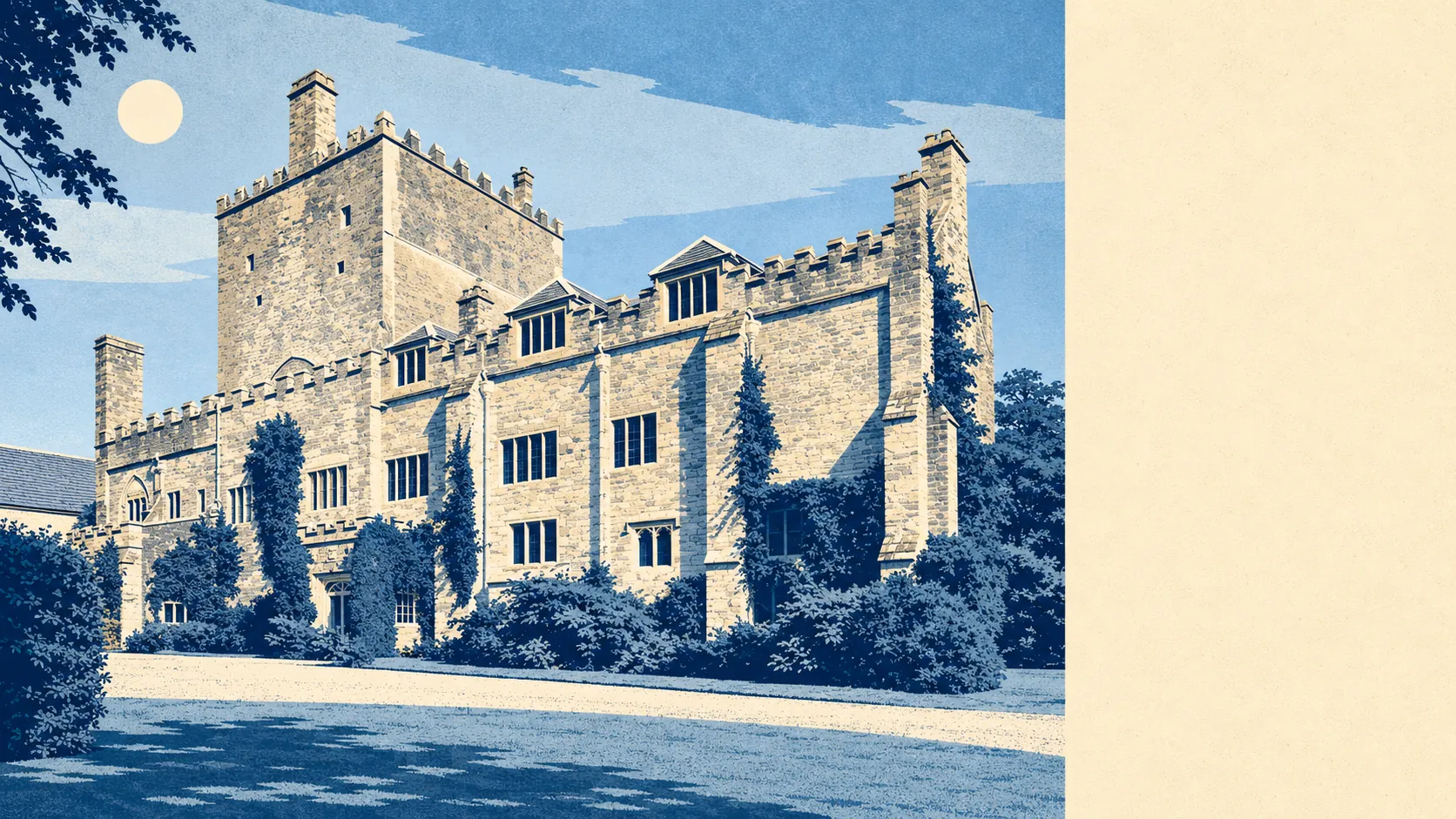
The area around Yelverton is mostly Dartmoor, and Dartmoor sets the terms. Open green space sits a couple of hundred metres from the average front door. Water is barely further away than that. The local monuments are prehistoric hut circles rather than statues of anybody. The surroundings are the whole reason people pay to be here, and nobody in the village pretends otherwise.
Start with the green space, because there is an absurd amount of it. About nine separate areas of open green space sit within a kilometre of the typical postcode, and the nearest is about 210 metres away. That is a distance measured in slippers rather than shoes.
Water is close behind. The average postcode sits about 390 metres from the nearest blue space, with about twelve within a kilometre. Some of that is the moorland river system: the West Dart runs through Two Bridges in the middle of the moor, and Lopwell sits at the point where the tide on the River Tavy gives up.
Getting into it does not require a car. The National Cycle Network passes about 300 metres from the average postcode, and about 81% of postcodes here count as close to it. Whether the hills make that a pleasure or a punishment is a personal matter.
The amenity mix is the sort a rural post town produces. Across the wider area covered here the premises records list 49 shops, 18 pubs, 4 restaurants, 34 offices and 51 holiday lets. More than four times as many pubs as restaurants, and more holiday lets than shops, which is a fairly complete summary of what the local economy thinks visitors are here to do.
The air is clean by English standards. Fine particle concentrations across the West Devon council area averaged about 4.9 micrograms per cubic metre in 2024. That is a council-wide figure rather than a reading taken at the end of any particular road.
One protected designation reaches into the area: about 13% of it falls inside the Tamar Valley area of outstanding natural beauty, which brings the usual extra attention to how things look when anybody proposes changing them.
The texture of the wider area comes from the villages strung around it. Crapstone, Dousland, Clearbrook, Meavy and Horrabridge sit within a few minutes of each other, Princetown holds the high ground out on the moor, and Roborough Down and Wigford Down carry the open country between them. The scheduled monument register for the surrounding ground reads like a list of things nobody built recently: hut circle settlements on Wigford Down, prehistoric enclosures on Dewerstone Hill, round barrows, and a scatter of medieval wayside crosses standing at road junctions where they have always stood. Buckland Abbey anchors the parish. Population density averages about 620 people per square kilometre, which is what it feels like when the gaps between villages are fields.
The private outdoor space rarely gets mentioned and matters more day to day. Across the four neighbourhood areas measured here, gardens work out at roughly 385,000 square metres per 1,000 residents. Everyone has somewhere to put a shed, and most people have somewhere to lose one.
Commercially the place is small. The valuation list carries 56 rateable non-domestic premises across the area, with the largest single category accounting for 22 of them. Those are premises on a list rather than businesses currently trading, so treat the number as the size of the commercial fabric rather than a directory of open doors.
On eating out, 17 premises carry a food hygiene rating, about 77% of them hold the top score, and about 6% sit at the low end of the scale. For a village this size that is a decent record, and the sample is small enough that one kitchen having a bad week moves the whole picture.
What is not here is worth stating plainly: no site of special scientific interest overlaps the area, and no ancient woodland is recorded within it. Neither absence is a fault. This is working moorland country and grazing land rather than a protected fragment of forest, and the space it produces is the same either way.
The surroundings are the best thing this area has, without a serious rival: green space at the end of the drive, water a few minutes past it, moor and prehistory beyond that, and enough garden per household that nobody needs to share.