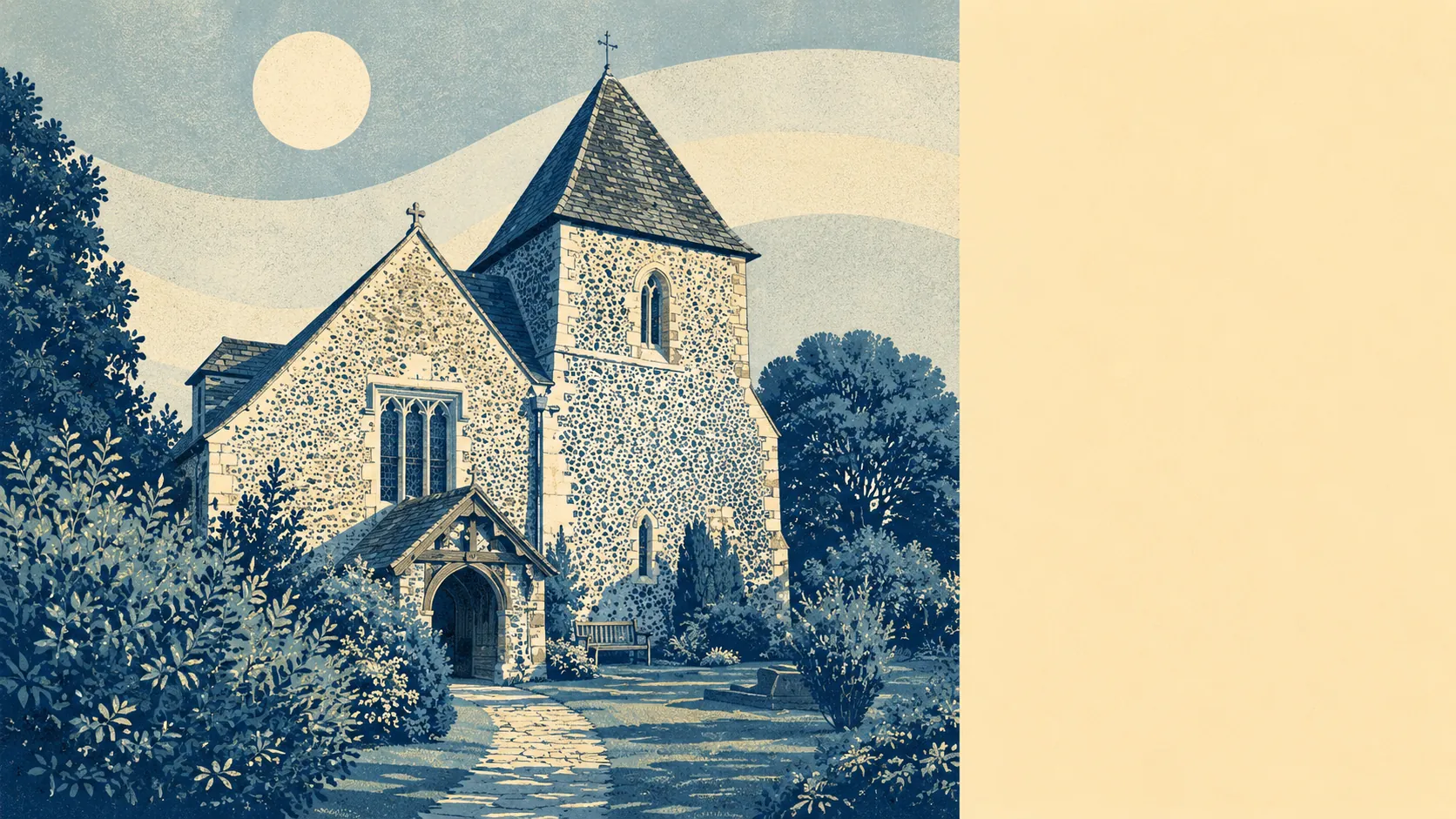
Yes, in most Yapton addresses. The listed buildings and the conservation area are the exceptions. Thirty-five listed buildings sit across the wider area, three of them Grade I. One conservation area covers Main Road and Church Lane. Everywhere else is standard permitted development.
The listed-building count for the area comes to 35 in total: 3 Grade I, none Grade II*, and 32 Grade II. Grade I marks buildings of exceptional interest and Grade II marks buildings of national importance, and both bring a legal duty on the owner to preserve their character. Practically that means any external or internal change to a listed home needs listed-building consent from the local authority on top of any planning permission. Windows, doors, roofing, chimneys, internal walls and floors are all in scope. Doing the work without going through the process is a criminal offence rather than a planning breach. For 35 addresses in the area that is the reality of ownership. For every other address it is not.
One conservation area sits inside the wider boundary: the Yapton Main Road and Church Lane conservation area, covering the older historic core of the village. Conservation areas do not freeze buildings the way listing does. They add a duty to preserve or enhance the special character of the area, which typically means tighter control over demolition, over changes to boundary walls and railings, over tree work, and over the size and style of extensions and windows. Some conservation areas also carry Article 4 directions that remove specific permitted-development rights, so owners inside the boundary should check with Arun District Council before assuming any particular change is permitted development. The area name is a good signal for where the constraint bites: Main Road and Church Lane, not the wider village.
For the great majority of Yapton addresses, which sit outside the conservation area and are not listed, the standard permitted-development rules apply. That means the typical family alterations, such as loft work, rear extensions and outbuildings, can proceed under permitted development in most cases rather than requiring a full planning application. Anything above the permitted limits, anything visible from the highway in a sensitive way, or anything involving a change of use will still need a formal application. The planning workload in the wider district gives a sense of the scale: about 1,200 applications came through the system over the two years to March 2026, roughly 600 of them in the last twelve months. That is a busy but not overwhelmed planning department.
One scheduled monument also sits inside the wider boundary. Scheduled monuments are nationally important archaeological sites, and any works affecting one need scheduled-monument consent from the national heritage body rather than from the local council. For most Yapton buyers this will not touch the house they are planning to alter, but anyone buying a property with land close to the scheduled monument should confirm the boundary and consult before digging foundations.
The verdict is three out of five, which is a fair reading of a village that carries some heritage but not enough to lock its owners out of extending. Listed cottage or conservation-area address: assume tighter constraints and factor in the consent process. Anywhere else: normal permitted development applies. Check the address, not the reputation, before you order the drawings.