Winchcombe asks about £410,000 for a typical home, and most of that money pays for the hills around it. The house is often a post-war semi or a detached place with a garden. The postcode is the Cotswolds, and the Cotswolds have never done cheap. Buyers who find the deposit get plenty of countryside, very little crime and a bus timetable they will learn by heart.
In the Land Registry's twelve months to May 2026, 67 homes sold in Winchcombe at a median of about £410,000. Detached houses drive that figure. Of the 33 sold, the median was £590,000, while semis went for around £340,000 and terraces around £367,000. Only three flats changed hands, at a median of about £135,000, so anyone budgeting on that number is budgeting on three sales. Band C is the most common council-tax band, and about 15% of homes are in the bottom two bands, A and B. The cheap end of the market is small.
Renting is the cheaper way in, though the Office for National Statistics only measures it across the whole Tewkesbury area, where typical private rent was about £990 a month in April 2026. That figure covers a borough stretching well beyond the Cotswold edge, so a cottage on a Winchcombe street may not stay inside it.
The council-tax valuation list gives the full mix. Detached houses make up about 35% of homes, semis 21%, terraces 19%, bungalows 17% and flats just 8%. About a quarter were built before 1930. A town where bungalows outnumber flats two to one has been choosing level floors for a while, and it rarely attracts anyone planning a loft conversion. About 81% of homes are on mains gas. The energy certificates split almost evenly: about 48% are rated A to C, 38% D and 14% E or worse, which is what old stone and post-war cavity walls do between them.
Police.uk records for the year to May 2026 give Winchcombe a published rate of about 30 crimes per 1,000 residents, roughly 29% below the Tewkesbury borough average. In the Restoration period the town was known for cattle rustling and general lawlessness, bad enough that soldiers were sent in. The modern version is a good deal tamer.
Seven in ten households own their home, and the typical resident is 53. The Office for National Statistics models average gross household income for the area at about £60,000 in the financial year to March 2023. This is a town of people who climbed the ladder some time ago and are mostly interested in the view from the top. Behaviour follows. People here keep their front gardens tidy and their opinions about planning applications tidier still.
Flood risk depends on which measure you read. The Environment Agency's river-and-sea flood zones barely touch Winchcombe: about 5% of postcodes fall in Flood Zone 2 and none in Zone 3. The wider postcode indicators include surface water and look less relaxed, with about 20% of postcodes rated high and 17% medium on at least one flood indicator. The most recent recorded flood came from a main river in July 2007, when the channel ran out of room and there were no raised defences to help.
Getting anywhere means driving. At the 2021 Census about 48% of working residents drove to work and 37% worked from home. Winchcombe has 29 bus stops, averaging 14 weekday departures each and about one bus in the peak hour. The Department for Transport's 2019 modelling puts the nearest town centre about 22 minutes away by car and 40 by public transport, and the public transport figure has had years to get worse. Broadband is in better shape, with gigabit-capable connections reaching about 89% of premises. With one bus an hour at peak, the people working from home made the sensible call.
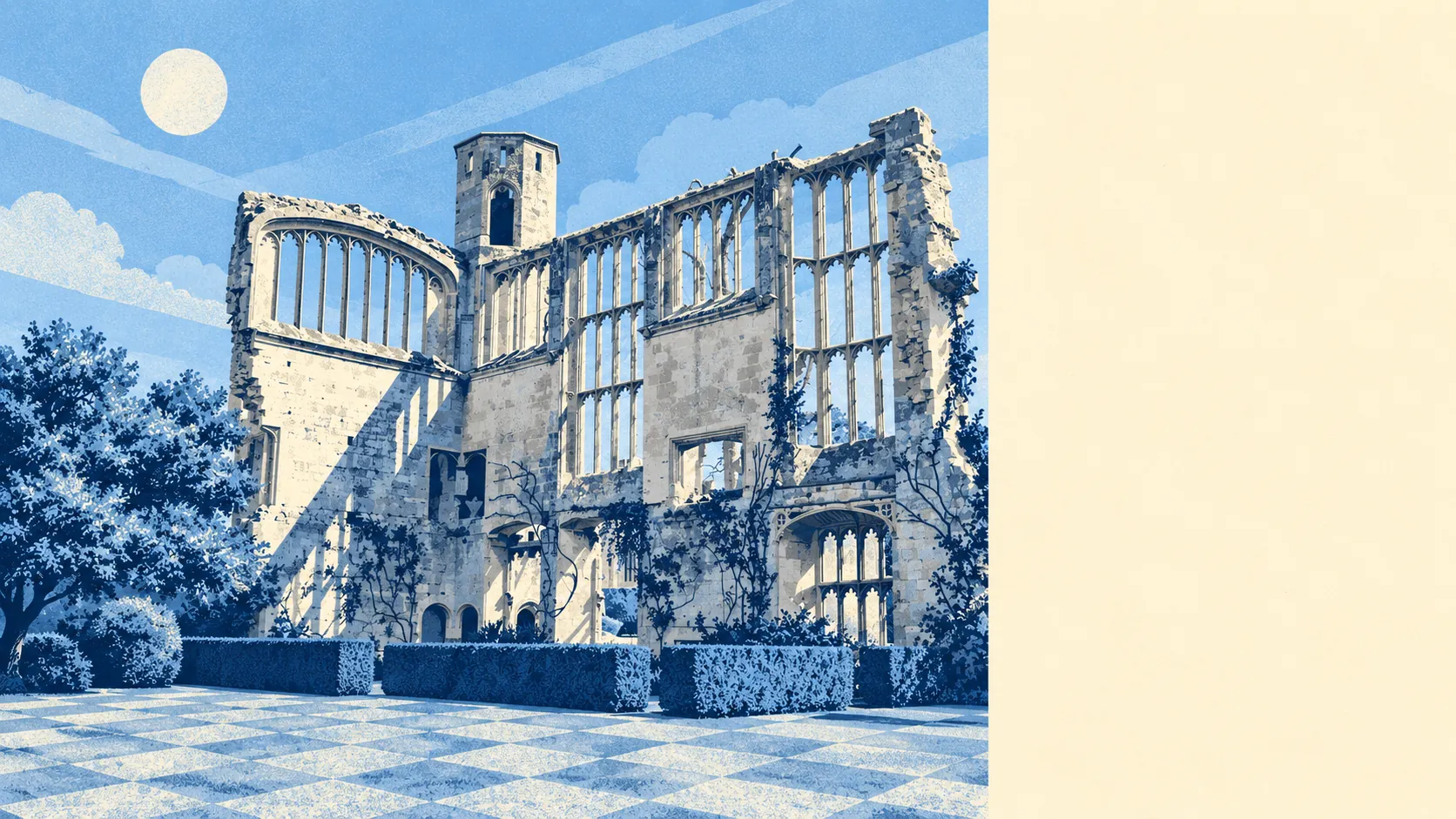
Historic England lists 186 buildings here: four at Grade I, three at Grade II* and 179 at Grade II. There is also the Winchcombe conservation area. Ralph Boteler, Lord High Treasurer of England, built Sudeley Castle and St Peter's Church, and the town has been applying for permission to change its windows ever since. Before that, Coenwulf of Mercia favoured the place, and he and Saint Kenelm were buried at the abbey. Changing a sash, a roof or a front wall here means a conversation with the council first, and that conversation is part of the price.
The countryside is the best thing about Winchcombe. About 77% of it falls inside the Cotswolds Area of Outstanding Natural Beauty. The average home is roughly 140 metres from green space, with about 15 green spaces within a kilometre and water around 310 metres away. Cleeve Hill rises above the town, with the Belas Knap long barrow on it. A short drive brings Hailes Abbey, Stanway, Didbrook, Toddington and Alderton. The Gloucestershire Warwickshire Railway runs along the escarpment at Stanley Pontlarge. From most front doors, the walk ends somewhere people pay to visit.
Winchcombe is right for buyers who drive, work from home or have stopped working, want hills outside the door and are happy to ask permission before touching a window. It is wrong for anyone who needs a train, a nightlife or a cheap first flat, because three flat sales in a year hardly make a market. The price is the hard part. A median around £410,000, with detached houses near £590,000, puts most of the town out of reach of anyone without equity. For those who can pay it, Winchcombe is a better-than-average place to live, and it charges accordingly for every field you can see from the bedroom.