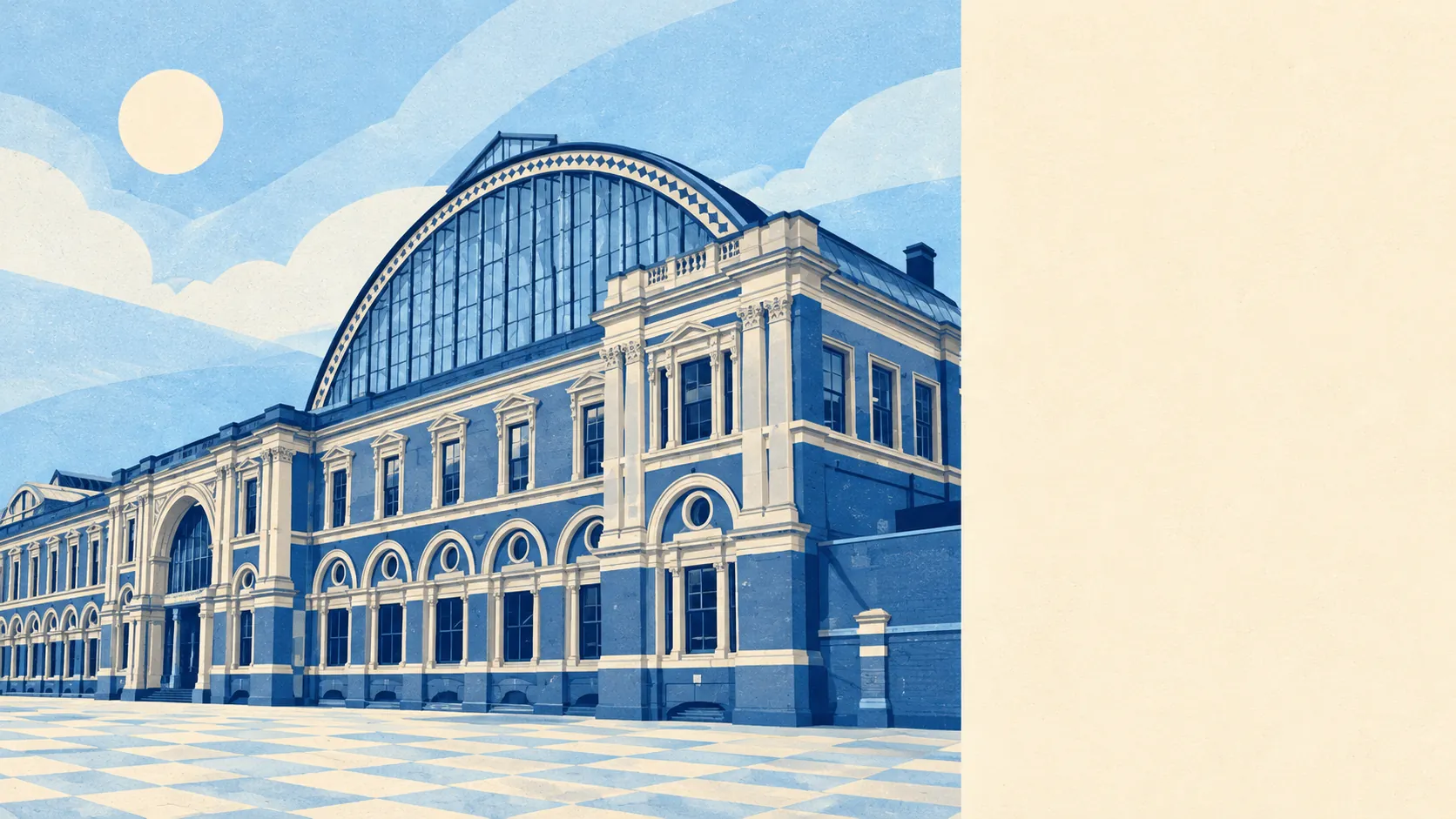
You can extend a home in West Kensington, but expect to ask permission for most of it. Most homes here are flats. Nearly 250 buildings are listed. The clay underneath moves with the weather. The neighbours keep applying anyway, by the hundred.
Historic England lists 248 buildings in and around West Kensington: six at grade I, 14 at grade II* and 228 at grade II. Listing covers the whole building, inside and out, so changing a listed home's character, from an internal wall to a window, needs listed building consent on top of any planning permission. Doing the work without it is a criminal offence, and the consent follows the building to every future owner. Two centuries ago the Margravine of Brandenburg-Ansbach, whose title survives in Margravine Cemetery near Barons Court, sold off Brandenburg House's contents, had it demolished and sold the grounds to a distillery and a sugar refinery. The owner of a grade II terrace now needs consent to change the sash cords.
The area also contains one conservation area. Conservation-area status brings tighter control over demolition and over changes visible from the street, and councils can remove some permitted development rights inside one. Check the council's conservation-area map and Historic England's list entry for the exact address, since in a district this mixed one side of a road can carry very different obligations from the other.
The appetite for change is plain from the paperwork. Hammersmith and Fulham logged 1,257 planning applications in West Kensington between April 2024 and July 2026, 435 of them in the last twelve months. That is a district full of people trying to add a room, swap a window or dig down, and plenty of them are prepared to wait for the answer.
The ground adds its own condition. The British Geological Survey places the whole of West Kensington in class 3 for shrink-swell, the hazard where clay soils expand when wet and contract when dry. For an extension, that means deeper foundations than sandy ground would need, extra care near trees, and a structural engineer's view on the design before the builder prices it. It is a published hazard class that sets the engineering, and in this area every site starts from the same rating.
Historic England has six listed buildings in and around the area on its Heritage at Risk register. Those are buildings in poor condition, where repair may attract grant support and will certainly attract close scrutiny. For the buyer of an ordinary flat or terrace nearby, they mostly mean the conservation officers have bigger worries than a rear dormer, which is not the same as having no opinion about one.
In practice, permitted development, the national allowance for small extensions without a planning application, applies to houses. Flats, which make up about 85% of homes on the council-tax list, fall outside most of it, and so do listed buildings. Anyone buying a flat with a plan to extend is starting from a full planning application, and often a conversation with whoever owns the building as well.
Freedom to alter a home in West Kensington is limited: between the flats, the listings and the clay, most plans need a consent or an engineer before they need a builder.