Wendover's strongest selling point is its residents, a healthy, well-qualified and comfortably off crowd who make the town easy to settle into once a buyer can afford to join them. Nearly nine in ten describe their health as good. Two in five have a degree. Hardly anyone is out of work. The neighbours are a big part of what a buyer pays for here, and the asking prices show it.
Two-thirds of households own their home, and the median resident is 41, which puts Wendover between the young-family rush and the retirement wave. The Office for National Statistics models typical gross household income for the area at about £79,000 a year, averaged across the town for the financial year to March 2023. That income goes into the half-dozen pubs, the delis and a Thursday market, so the High Street stays open without leaning on visitors. The Red Lion once employed a woman billed as Britain's oldest barmaid. People who settle here tend to stay.
Crime is low. Thames Valley Police recorded about 37 crimes per 1,000 people in Wendover in the year to May 2026, roughly 43% below the rate for Buckinghamshire as a whole, which was about 65. The county figure takes in Aylesbury and High Wycombe, so a town of commuters and dog walkers was always going to come in under it. Wendover still beats it by a long way.
Price is where Wendover asks the most of a buyer. The Land Registry's last twelve months, to May 2026, show a median sale price of £550,000 across 73 sales. Flats went for a median of about £266,000 and terraced houses for about £378,000. Semi-detached houses changed hands most often, 36 of them at a median of about £590,000, and detached homes reached about £743,000. Band D is the most common council tax band, and only 7% of homes are in bands A or B. The local starter home is a semi at almost £600,000, and the council tax bill is about as forgiving as the price.
Renting avoids the deposit but not the cost. Across the Buckinghamshire area, the Office for National Statistics puts typical private rent at about £1,470 a month. That is a county-wide average, and a family house within walking distance of Coombe Hill is unlikely to come in under it.
The old town looks medieval, but most of the housing is newer. The council-tax valuation list puts semis at about a third of all homes, with detached and terraced houses at about 23% each, flats at 12% and bungalows at 10%. Only 14% were built before 1930. On energy certificates, 54% of rated homes reach band C or better and 37% are on D. Mains gas heats about 79% of homes, and only 4% rely on electric heating alone. The narrow medieval plots on the High Street are what visitors photograph. Most residents live in the post-war semis behind them.
Flood risk depends on the measure used. Counting postcodes, about 14% are flagged at high risk on at least one indicator, including surface water. In the Environment Agency's river-and-sea flood zones the shares are much smaller, about 2% in Zone 3 and about 2% in Zone 2. The Heron Stream and Hampden Pond both feed the canal, but in Wendover it is heavy rain on the hills, not the river, that tends to fill the gutters.
Wendover Rail Station runs Chiltern Railways trains to London Marylebone, and at the 2021 Census only 2% of working residents used them to get to work. About 44% worked from home and 39% drove. Gigabit broadband reaches about 65% of premises and superfast about 98%. That is good news for the home-workers, and slightly awkward for anyone who chose a house with a dining table they had planned to eat at. Buses are thin. There are 24 stops, each averaging about 34 weekday departures and roughly 1.5 an hour at peak. For a town with its own line into London, Wendover is surprisingly happy to stay put.
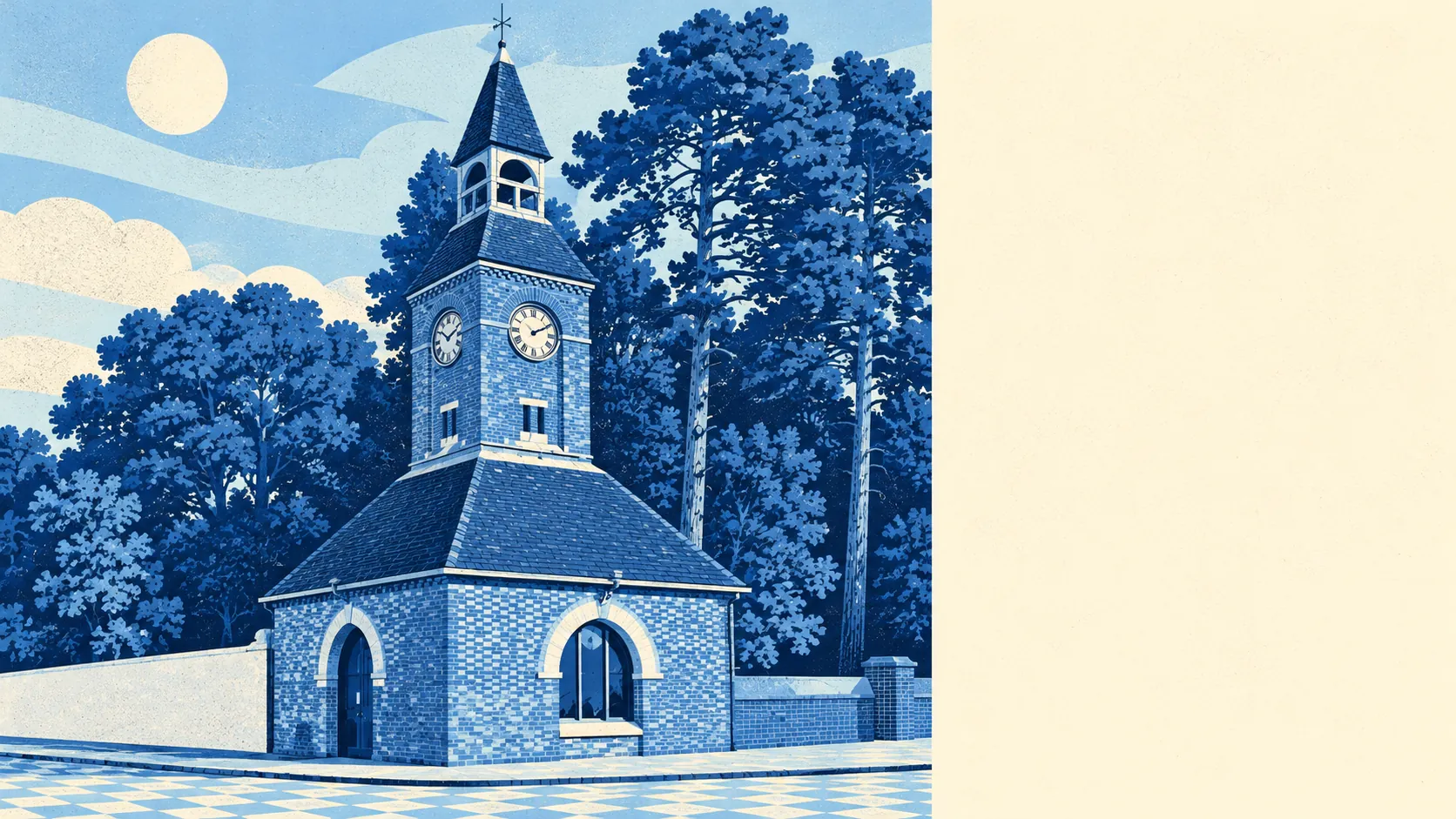
The town has 100 listed buildings, four of them Grade II* and the other 96 Grade II, plus a conservation area covering the old centre. Three scheduled monuments lie in and around the parish, including the Iron Age hillfort of Boddington Camp. Anyone buying in the historic core should expect to need consent for new windows, extensions, and in some cases the colour of the front door. The parish council has its office on the ground floor of the 1842 clock tower, so the body that comments on what is in keeping works from inside one of the buildings it is protecting.
The countryside starts close to most front doors. The nearest green space is about 200 metres away on average, with around 13 within a kilometre, and water is about 400 metres off. Coombe Hill rises to the west, Wendover Woods to the east, and the meadows south of the centre lead to St Mary's church, where the original settlement stood. The canal towpath runs north towards Tring. Halton, which this page also covers, lies against the same wooded hills. Wendover sits in a gap in the Chilterns, and walkers come through it whether residents want them or not.
The best fit is a household that works from home at least part of the week, wants hills within reach of the kitchen, and has the equity for a £590,000 semi without counting every pound. First-time buyers on one income, renters hoping to save, and anyone who needs a bus at nine in the evening will find Wendover hard going.
Wendover's residents are its biggest asset. Crime is low, health is good, income is high, and people stay, so a buyer here gets settled, well-off neighbours and a town that looks after itself. The cost is just as clear: semis cost almost as much as detached houses do in many other towns, and the bottom of the council tax list is nearly empty. For a buyer with the budget, it is one of the better towns at the foot of the Chilterns.