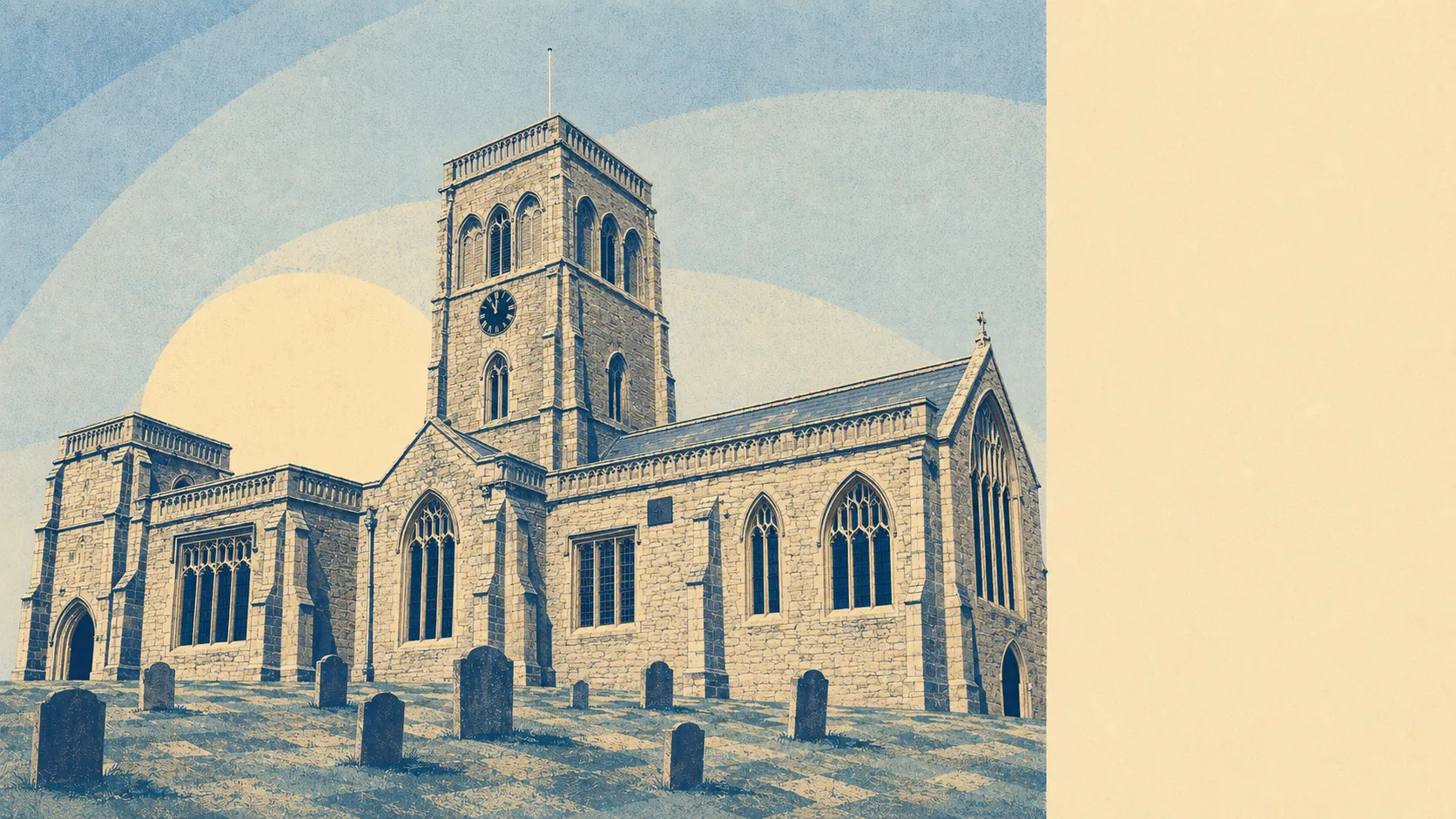
Probably, and slowly, and with a heritage consultant on retainer. The area carries 138 listed buildings. Two conservation areas sit inside it. Seven scheduled monuments are scattered across the surrounding land. People here do extend their houses constantly, which tells you the answer is yes and also that everyone has learned to budget for the paperwork.
The listing picture is the first thing to check on any specific address. Of the 138 listed buildings in the area, one holds grade one status, four are grade two star and the remaining 133 are grade two. Grade two is the ordinary tier and covers the great majority, but ordinary does not mean unencumbered. Listing applies to the whole building inside and out, including things owners assume are theirs to change: internal walls, staircases, fireplaces, the roof covering, the windows. Listed building consent is separate from planning permission, you need it for alterations affecting character, and doing the work without it is a criminal offence rather than a fine-and-forget. The practical version is that a listed cottage here can absolutely gain a kitchen extension, but the design conversation starts with what the conservation officer will accept and works backwards toward what you wanted.
Two conservation areas cover parts of the area, at Wedmore and Stone Allerton. Inside a conservation area, permitted development rights are narrower than elsewhere: work that would be automatic on an unconstrained house, such as certain extensions, cladding, roof alterations and satellite dishes on prominent elevations, can require an application. Demolition of walls and outbuildings can need consent too, and there are separate rules covering work to trees. Whether an Article 4 direction applies to any particular street is a question for the council rather than an assumption to make from the map.
Seven scheduled monuments sit within the area, including a manor house moat and a village cross among them. Scheduled monument consent is the strictest tier in the system, administered nationally rather than locally, and it matters mainly if your land contains or adjoins one. Most buyers will never touch it. The ones who do find that the ground itself is the protected thing, which complicates foundations, drainage and anything involving a digger.
The volume of activity says the constraints are navigable rather than prohibitive. Across the window from April 2024 to June 2026, 174 planning applications were lodged across the area, with 77 of those in the last twelve months. That is a steady stream of people altering, extending and converting property here, which is worth more than any general statement about how restrictive a place feels. Somebody is always in the middle of a project, and half the village has an opinion about it.
Practically, the sequence matters more than the odds. Establish before you offer whether the property is listed and whether it sits inside a conservation area, because those two facts change everything downstream: the design, the materials, the timescale, the professional fees and often the resale market. On an unlisted house outside the conservation boundaries, ordinary permitted development rights apply and a modest rear extension is straightforward. On a listed house inside one, assume consent for anything visible, assume a longer programme, and assume the windows will be the argument. Householders who plan for that get the extension. Householders who buy first and read the constraints afterwards get an education.
Freedom to alter a home is one of the weaker aspects of buying here. The heritage is a genuine part of what the money buys, and the price of owning a piece of it is that the interesting decisions stop being yours alone.