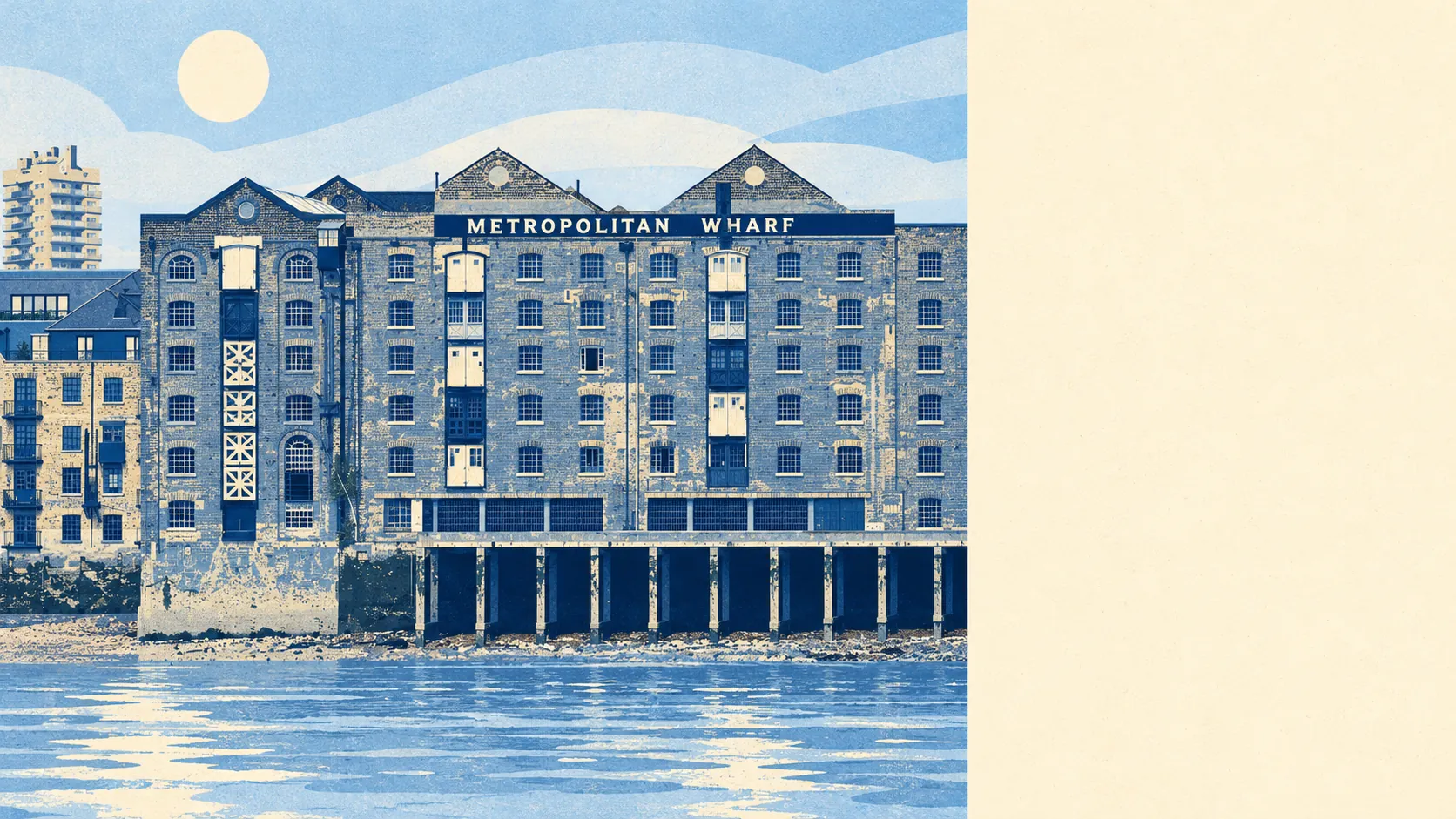
You can, but Wapping makes extending harder than most of London does. Hundreds of listed buildings stand in and around it. Conservation areas cover much of the riverside. Most homes are flats, which come with fewer automatic rights to begin with. Plan on asking permission before you plan the extension.
Historic England lists 422 buildings across Wapping and the streets immediately around it: 11 at Grade I, 20 at Grade II* and 391 at Grade II. Listing covers the inside of a building as well as the front, so changes that affect its character need listed building consent, and that includes windows, internal walls and some repairs. Grade II is the commonest grade, but it is still listed, and the council treats it that way.
The same stretch of map holds 31 conservation areas, among them Wapping Pierhead, Wapping Wall and St George in the East. A conservation area gives the council more say over demolition, roof changes and anything visible from the street, and some come with extra controls that remove rights owners elsewhere take for granted. Find out from Tower Hamlets council which conservation area, if any, your street is in and whether extra controls apply to it, because that answer decides more than the floor plan does.
There are 6 scheduled monuments in the same area, the strictest protection tier. They matter mainly to anyone whose land sits right beside one.
The neighbours are making changes anyway. The planning register shows 167 applications across Wapping between April 2024 and June 2026, 73 of them in the last twelve months. That is proof that people here do apply. It says nothing on how many were approved.
The British Geological Survey puts all of Wapping in class 3 for shrink-swell clay, ground that expands when wet and shrinks when dry. That affects how deep new foundations need to go, and a structural engineer's view is worth paying for before you commit to any ground-floor extension. It is a design matter, and it should not put anyone off.
Six of the listed buildings in and around Wapping are on Historic England's Heritage at Risk register, which marks buildings in poor condition. Their repair may qualify for grant support and will certainly attract close scrutiny. They are a project for their owners and pose no risk to anyone buying the flat next door.
In practice, about 92% of homes on the council-tax list in Wapping are flats. Flats do not get the automatic rights to extend that houses do, and the freeholder usually has a say too. The few terraced houses have more room for change, until a listing or conservation area takes some of it back. The largest renovation the area has seen was in 1964, when a modern church was built inside the walls of St George in the East, and the walls were left as they were. That remains the pattern for alterations here: work inside the existing walls is far easier than changing the outside.
Freedom to extend is poor in Wapping. Altering a home here means negotiating with the council, the freeholder and the area's heritage before any building starts.