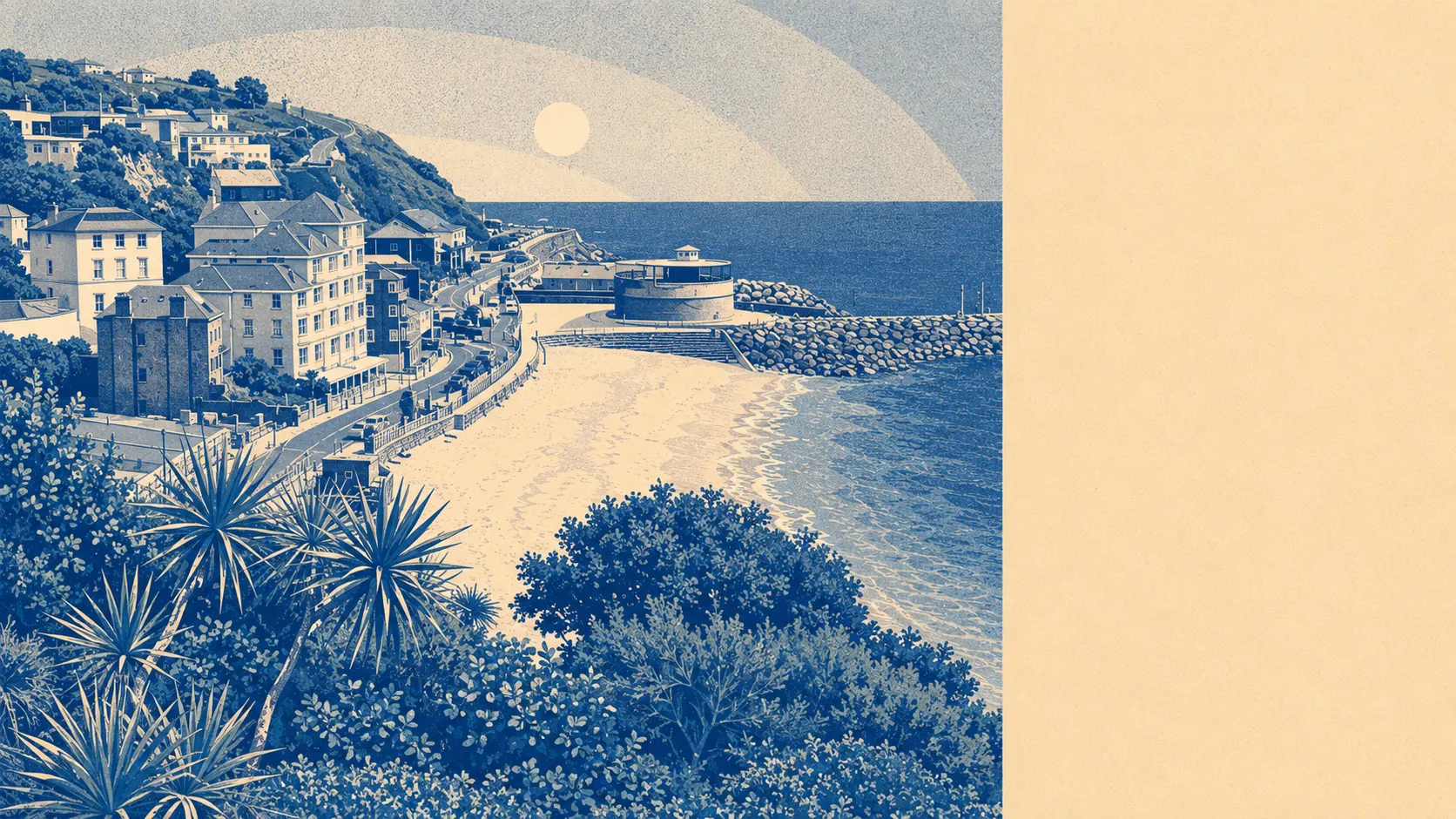
Yes, unless the house is one of the 132. The town carries no formal conservation area in its boundary. It does carry one hundred and thirty-two listed buildings, nine of them Grade Two-Star and the rest Grade Two. Four scheduled monuments sit nearby. Most houses can be extended; the most desirable ones can be extended only with paperwork.
The listed-building register is the active constraint. None of the entries reach Grade One. Nine reach Grade Two-Star, which is the second-highest grade and applies to particularly important buildings. The remaining one hundred and twenty-three sit at Grade Two, which is the ordinary grade for buildings of national interest. Listing protects character, fabric and setting, and any change that affects those things requires listed-building consent. Painting in the wrong colour, replacing windows with anything that looks modern, swapping a slate roof for a fibre-cement one, or adding a rear extension in materials the original house didn't use are all things that need an application before they need a builder. A conservation officer reviews each application. The yes-or-no isn't always the answer the homeowner expected.
Outside the listed buildings, the picture loosens. No formal conservation area sits inside the boundary, which is unusual for a town with this much Victorian fabric and means the heritage rules concentrate on specific named buildings rather than blanketing whole streets. A loft conversion, a single-storey rear extension, a side return, a porch, or solar panels usually fall under permitted development for an unlisted home, subject to the standard limits on height, footprint and materials. A two-storey extension, a wraparound, or a side extension on a corner plot usually needs full planning permission. The Isle of Wight Area of Outstanding Natural Beauty laps about nine percent of the boundary at the upper edges of the town. Properties inside that section face tighter rules on changes that affect landscape character. The rest sit under ordinary planning rules.
What this looks like in practice. Two hundred and six planning applications were submitted in the last twelve months across the area, which is a working volume for a town of this size and not a frozen one. Most get decided. Some get refused. The pattern that emerges from listed-building decisions in any town with this much Victorian stock is that planners are more relaxed about additions that are visibly different than about additions trying to fake being original, more relaxed about restoration than alteration, and more relaxed about reversible work than about removing historic fabric. A buyer who wants to add a rear extension to an unlisted terrace can usually do it. A buyer who wants to remove a window from a Grade Two-Star property because the new kitchen layout works better cannot.
A town with real heritage and ordinary freedom outside it. Plan the extension before the offer goes in, not after the keys come.