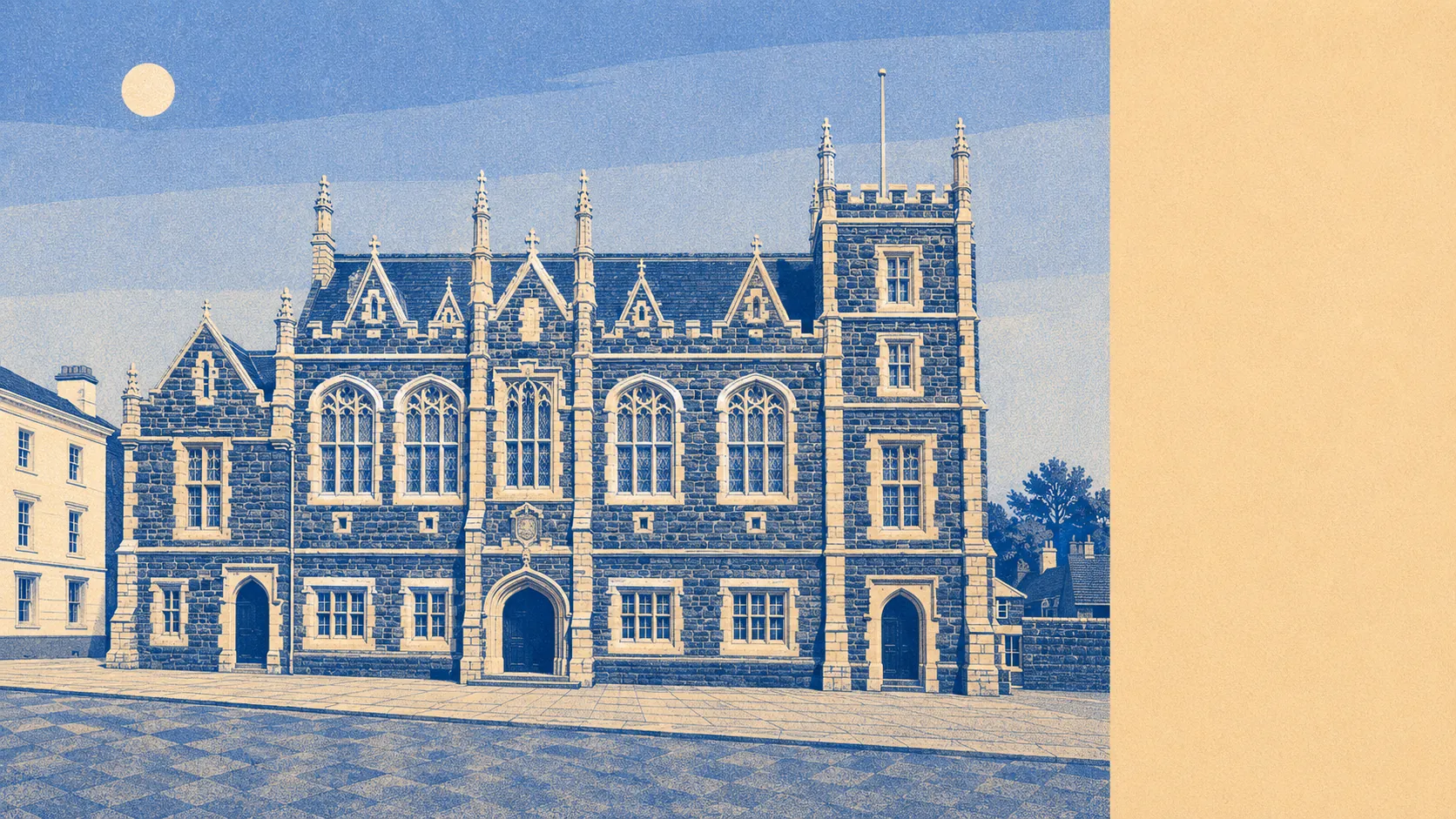
The schools are the part of Tavistock that does not need defending. Around eight in ten graded settings across the county come back good or better. The town has one state secondary and it takes in most of the surrounding countryside. The primaries are small, walkable and heavily Church of England. For a place this rural, the education is the least rural thing about it.
The counts come from Ofsted and they cover the whole of Devon rather than Tavistock alone, which is the honest way to read them. Of 172 settings with a published overall grade, 138 are good or outstanding, so roughly eight in ten. Three carry an outstanding grade, 31 require improvement and 3 are rated inadequate. A further 135 settings hold no published grade at all, which means not yet inspected under the current framework rather than anything about their quality.
None of that guarantees your child a place anywhere. Admission runs on the local authority's rules and the individual school's own criteria, not on the postcode you happen to fancy, and a school being ten minutes down the road is a geographical fact rather than an offer letter. Tavistock College draws from a wide rural catchment covering villages well outside the town, so the competition for places is not confined to people who can see the abbey ruins from their kitchen. There is also the older escape route, in which children who sit the optional eleven-plus and do well travel to the grammar schools in Plymouth. That option quietly shapes the school-gate conversation here every autumn.
At primary level, the town does something slightly unusual by splitting the infant and junior stages between two separate Church of England schools, which means two sets of school gates, two sets of parents to get to know, and one transition more than most families expect. Whitchurch Community Primary School serves the south-eastern side. Around them sits a ring of small rural primaries in the surrounding parishes, the kind where a single year group is a manageable number of names. Mount Kelly, formed in 2014 from the merger of two existing independent schools, is the private option, sitting across two sites and covering everything from nursery age to sixth form.
Getting there is straightforward at the younger end and less so later. Department for Transport modelling puts a primary school around 12 minutes' walk or 7 minutes' drive away, while a secondary sits closer to 34 minutes on foot and 11 by car. Those figures date from 2019, and the driving and walking times have aged better than the public transport ones, which assume bus services that rural Devon has a habit of quietly editing.
For a town of this size on the edge of a national park, the schooling is one of its genuine strengths: a solid county-wide record, a single secondary with real reach, and enough primary choice that families are picking between schools rather than accepting the only one going.