St Luke's records about 333 crimes a year for every 1,000 residents, and for a buyer that means living on the street the City uses to get to the station. A big slice of it is theft on the move, the phone-out-of-the-hand sort. Everything else holds up well enough: grass within a minute's walk, fast broadband, the Square Mile within walking distance. It's a middling place to live, as long as the phone stays in a zipped pocket.
The Metropolitan Police's recorded figures for the year from June 2025 to May 2026 put St Luke's at about 333 crimes per 1,000 residents, roughly 77% above the Islington average. The mix shows what kind of crime this is. Theft from the person makes up about 17% of the total here, against about 2% across England and Wales, and other theft about 13%, against 7%. Violence and sexual offences, the biggest category almost everywhere, come to about 17%, half the national share. That mix belongs to a crossroads. Most of the targets are people passing between an office and Old Street, and the victims tend to notice somewhere around the ticket barrier.
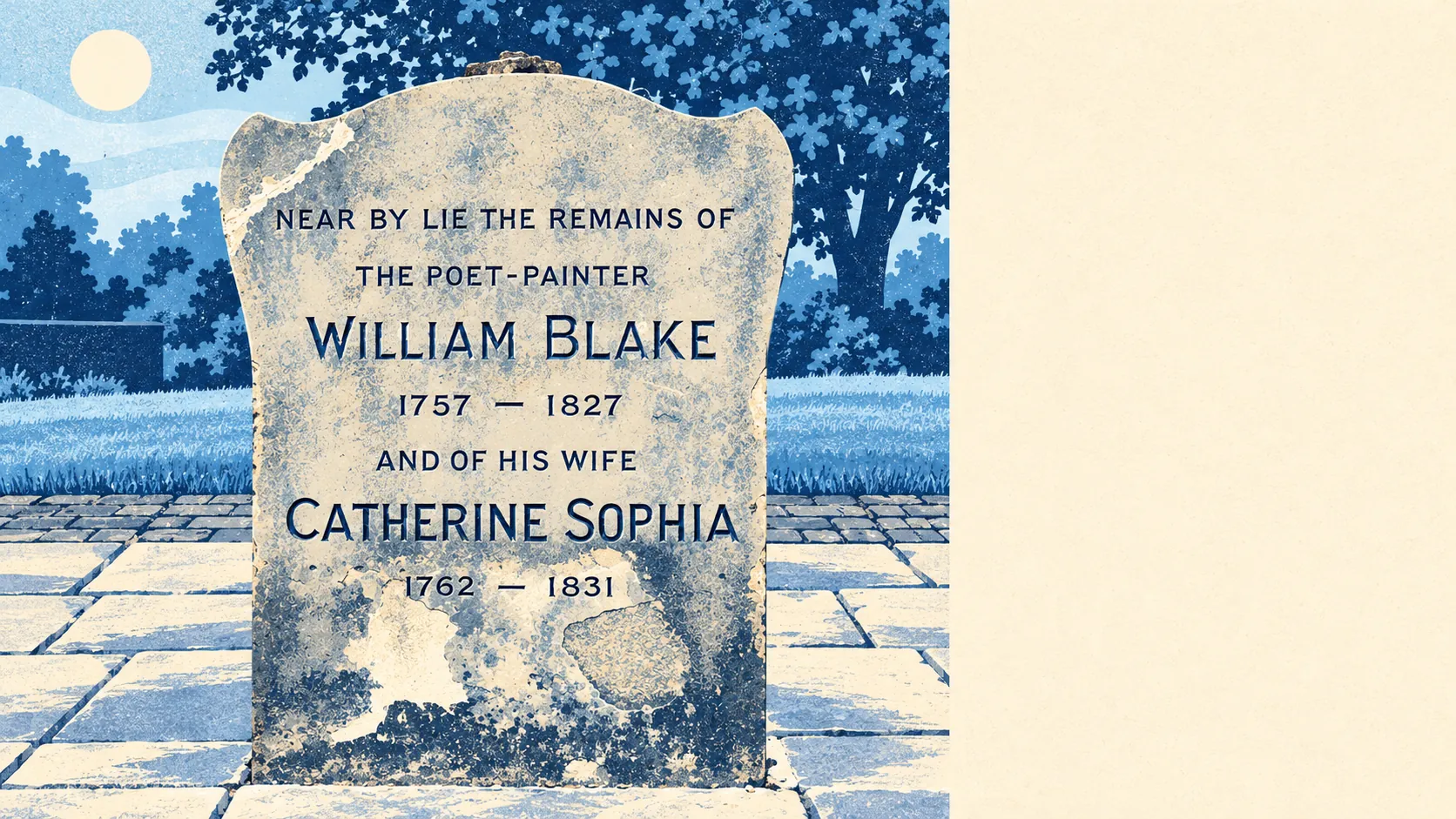
Changing an old building here means asking permission. The area around St Luke's contains 696 listed buildings and 21 conservation areas. Fourteen of the listings are Grade I, and the list takes in John Wesley's House, Wesley's Chapel and the former Church of St Luke, which closed in 1959 when its structure was found to be unsafe and now belongs to the London Symphony Orchestra. In Bunhill Fields, Daniel Defoe's monument is listed and so is John Bunyan's. Plenty of the dead round here have stronger protection against alteration than a buyer's own sash windows.
Prices are set by flats, because flats are nearly all that sells. The Land Registry's twelve months to May 2026 record 95 sales at a typical price of about £714,000, and 92 of them were flats, at around £695,000. For that money you get a Zone 1 postcode and a freeholder who has a say over the roof. Council tax falls most often in Band E, and only about 19% of homes are in Bands A or B.
Islington's typical private rent was about £2,810 a month in April 2026. That is the borough-wide mean from the Office for National Statistics price index, so it averages St Luke's with streets that look nothing like it.
The council-tax valuation list covers every dwelling, and it shows about 93% flats, about 3% terraced houses and practically nothing detached or semi-detached. About 22% were built before 1930. The newer stock does well on energy: about 73% of certificated homes are rated A to C. Heating is split. About half the homes run on mains gas and about 21% are electric-only, which is worth knowing before booking a viewing of an older flat. A terraced house coming up for sale here is rare enough to get talked about.
Around four in five households rent. That includes about 43% in social housing and about 34% renting privately, which leaves owners at about 21%. The typical resident is 32. Modelled gross household income comes to about £76,700 for the financial year to March 2023, an Office for National Statistics estimate averaged across the area. Owners are the minority on most landings, and the people next door probably signed a tenancy rather than a mortgage. The page also covers Finsbury, which St Luke's shades into, and the Broadgate office estate on its City side, where the people who earn those incomes spend the daylight hours.
Getting around is the easy part. Old Street station is on the eastern edge, with Moorgate and Farringdon close by. The area has 142 bus stops, and on average each one sees about 30 buses in the peak hour. About 95% of premises can get gigabit broadband. At the 2021 census about 57% of working residents worked from home and about 14% walked to work, nearly double the share who took the bus. When the City is the next postcode over, the commute takes a pair of shoes.
The Environment Agency puts none of St Luke's in the river-and-sea flood zones. On the wider postcode measure, about 8% of postcodes carry a high rating on at least one flood indicator, and that measure includes surface water. The risk comes from heavy rain landing on a lot of concrete, and the Thames has nothing to do with it.
Green space is where St Luke's does unexpectedly well. On average the nearest green space is about 70 metres from a postcode, and there is water about 360 metres away, with City Road Basin off the north side of City Road. Bunhill Fields, the Golden Lane Estate's landscaping and the Barbican gardens are all close. For a lot of people here, lunch on the grass means lunch in a burial ground, though the neighbours have never been known to complain.
St Luke's is right for someone young who works in or near the City, wants to walk everywhere and is happy in a flat with someone else in charge of the building. Anyone who wants a house with a garden, room for a growing family or a street that empties at night should look somewhere else, because the stock and the footfall won't change for them.
Safety is the cost of living here. You're buying on the busiest walk home in London, and the theft figures follow the commuters, so the habits that matter are the ones you keep at the corner of City Road. Weigh that against parks closer to most front doors than the bus stop, and St Luke's comes out a fair, middling place to live, with an unusually good back garden that happens to be shared with Daniel Defoe.