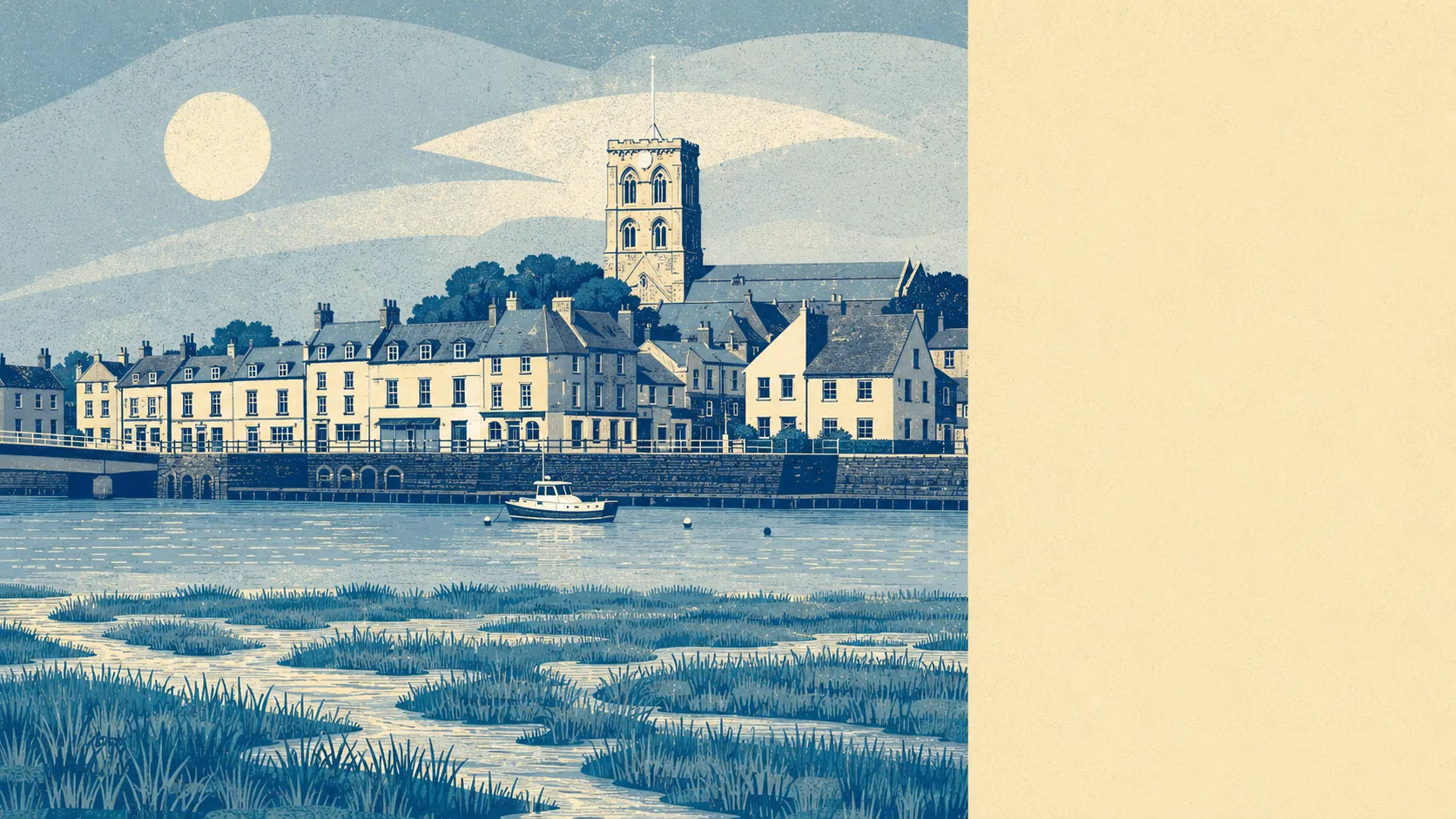
Yes, mostly, and if your house went up after 1930 you can do what you like within the ordinary planning rules. Shoreham has fifty-nine buildings on the statutory list. Most of them are Grade II. A small handful sit at Grade I or Grade II starred. No conservation area covers the town centre, and the constraint that trips people up is the age of the property they bought, not the postcode.
Of the fifty-nine listed buildings inside the town's boundary, fifty-three carry a Grade II listing, three sit at Grade II starred, and three carry the top-tier Grade I designation. Grade II means the building is of special interest, and any change to it needs listed building consent on top of standard planning permission. That covers window replacements, extension proposals, interior reordering in some cases, and material choices where the wrong tile or the wrong sash will get flagged before the paperwork lands. Grade II starred means the building is particularly important, which raises the bar on what will be approved and lengthens the time it takes to approve it. Grade I means the building is exceptional and effectively locked to the shape it currently has, apart from careful restoration in like-for-like materials. The heritage system does not stop you from owning one of these. It stops you from turning them into an entirely different house. Two scheduled monument sites sit in the wider Shoreham area, and those come with their own set of restrictions on anything above or below ground within the designated boundary.
For the roughly nine in ten Shoreham homes that went up after 1930, none of this heritage constraint applies. The standard permitted-development rules cover what most owners want to do, and the usual rear extension or loft conversion that respects the roof profile will typically fall inside permitted development without a full planning application. A single-storey side extension of modest depth sits in the same category. Anything larger, anything more visible, or anything on a listed property or a scheduled monument site needs the paperwork and the patience that goes with it. The typical Shoreham extension goes up on a post-war house on a residential street with no designation of any kind, and the process is the ordinary neighbour-notification and planning-officer route rather than the heritage negotiation that owners of listed properties can expect.
Middle of the road on the freedom-to-extend picture, which is the honest verdict. A small pre-war minority of owners will meet the heritage system head-on. The rest of Shoreham can broadly do what the standard national rules already let it do.