Usually, yes, as long as your house isn't one of the old ones. Four dozen buildings are listed. The village has its own conservation area. There's an ancient monument nearby. The neighbours file planning applications all the time. For most homes, extending here means paperwork rather than a flat no.
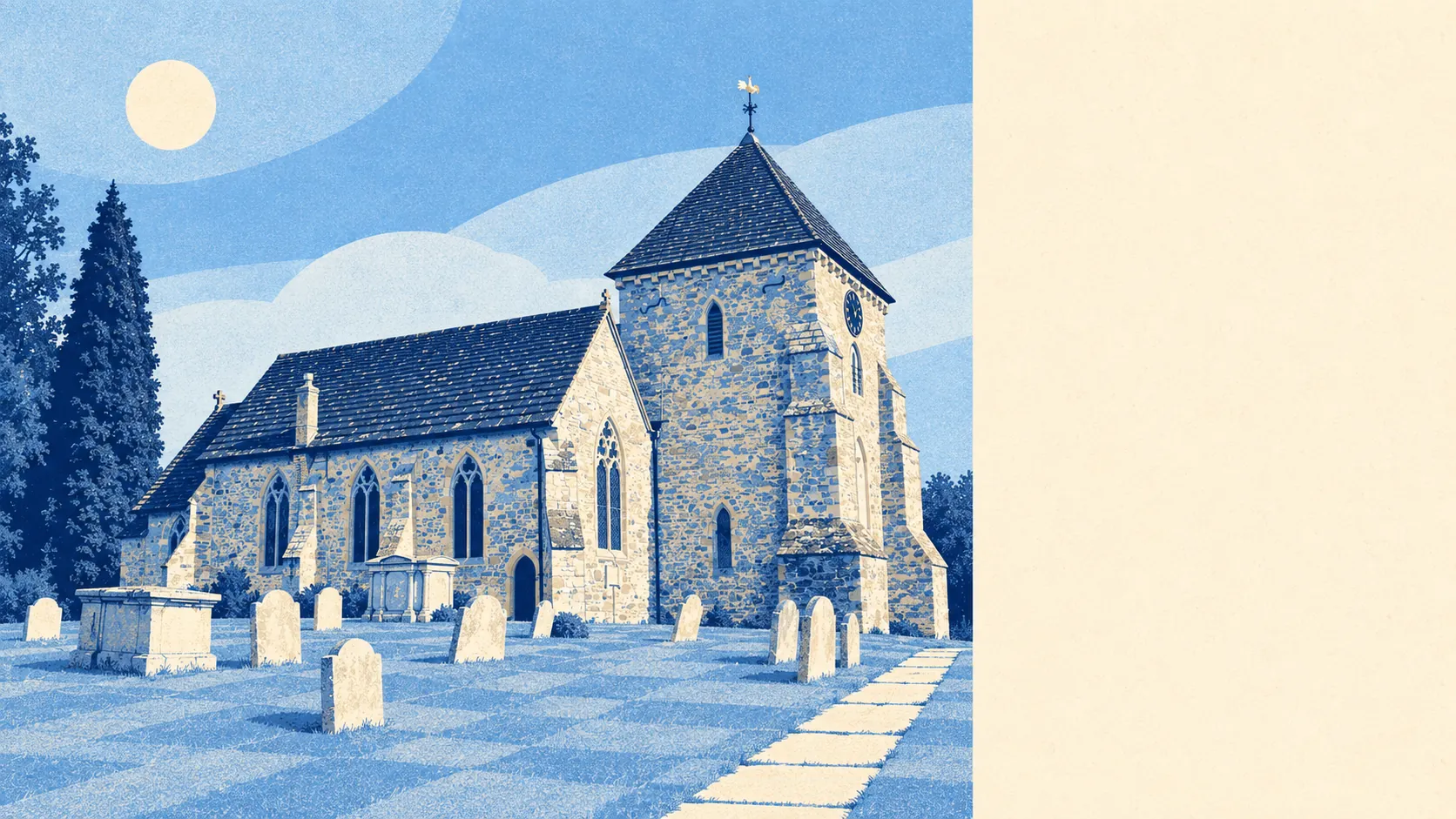
Historic England lists 48 buildings in and around Rudgwick. One is Grade I, the top tier reserved for buildings of exceptional interest, none is Grade II*, and the other 47 are Grade II. Listing covers the whole building, inside and out, so changes that would be routine elsewhere, like replacing windows, moving an internal wall or adding a rear extension, need listed building consent on top of any planning permission. Carrying out work without it is a criminal offence, not just a planning dispute. If the house you like is on the list, assume every change needs asking about first.
There's one conservation area, named Rudgwick. Inside it, the council controls the look of the place more closely: rights to extend or alter without applying are narrower, demolition needs consent, and work on trees needs notice. Whether any extra restrictions, known as Article 4 directions, apply to particular streets isn't something the heritage records here can confirm, so check with the council for any address inside the boundary.
The area also contains one scheduled monument, the strictest form of heritage protection. It matters mainly if your land sits next to it or you're planning to dig nearby.
The planning records show the scale of what people are doing. They log 1,589 applications between April 2024 and June 2026, and 732 in the last twelve months. Those figures cover how many people applied, not how many were approved, and they say nothing about outcomes either way. They do show that altering homes here is common, and that you won't be the first on your street to try it.
For most homes outside the conservation area and off the listed-building register, the usual permitted development rules apply, meaning some rear extensions, loft conversions and outbuildings can go ahead without a full application as long as they stay within the national size limits. Inside the conservation area, those limits get tighter. On a listed building, assume nothing is permitted development. Before you buy, check three things: whether the house is listed, whether it's inside the conservation area boundary, and what the neighbours have already applied for. The first two decide what you're allowed to do, and the third shows what the council has been asked to decide recently.
Your freedom to extend in Rudgwick is middling. The ordinary post-war houses give you plenty of room to build, while the listed cottages and the conservation area ask you to apply for almost everything.