Yes, for most houses in Royston, and less so in the old centre. The town has a fair number of listed buildings. It has one conservation area. The rest is mostly post-war housing with nothing protected about it. Where a house sits decides how much paperwork an extension needs.
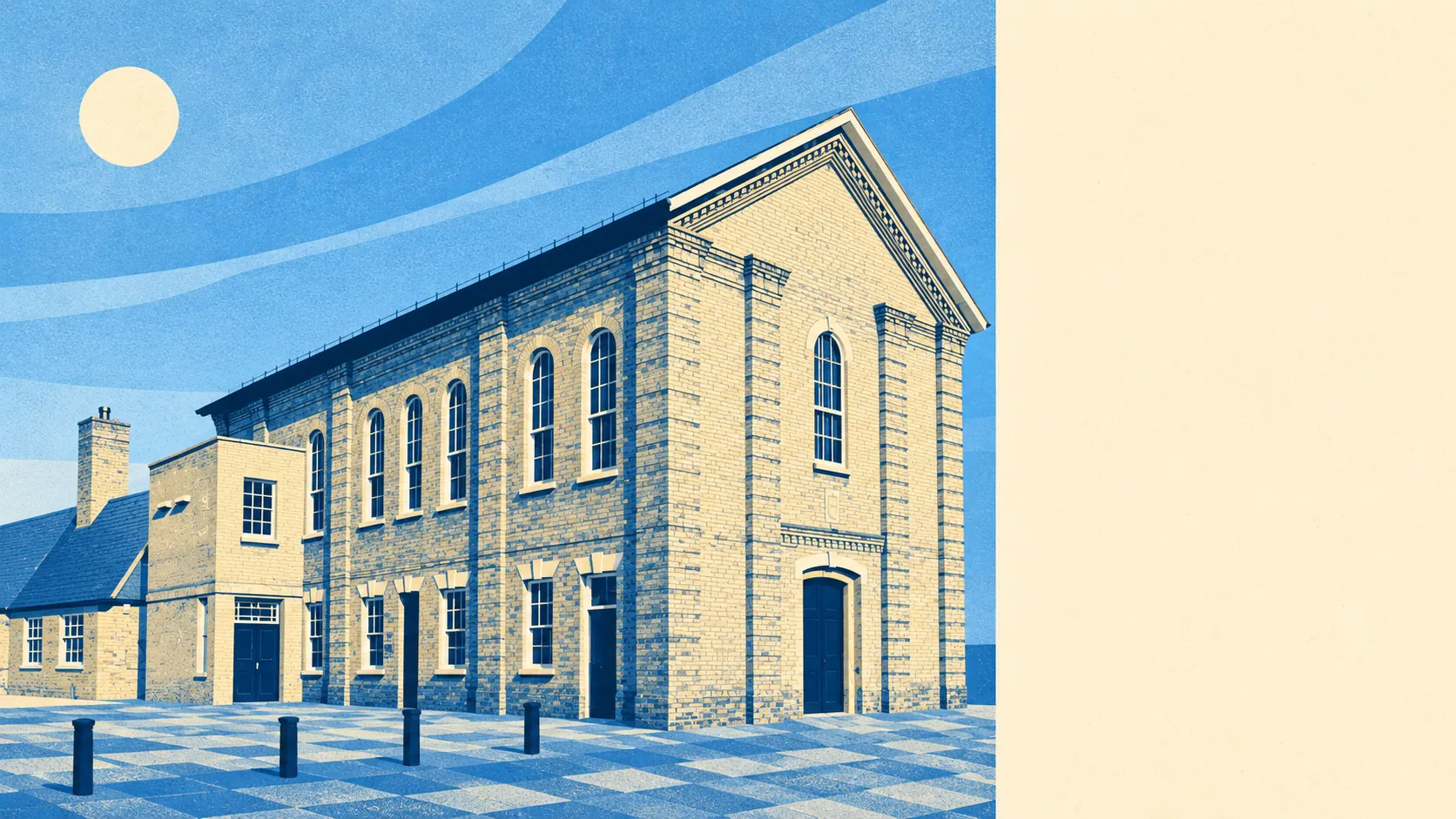
Historic England lists 115 buildings in and around Royston: 4 at Grade I, 7 at Grade II* and 104 at Grade II. Listing covers the whole building, inside and out, so even a modest change to a listed home needs listed building consent on top of any planning permission, and doing the work without it is a criminal offence. With 104 of the 115 at Grade II, most listed owners are dealing with the ordinary tier of protection, which is still a good deal more than none. In 1604 James I demolished the Cock and Greyhound inns to make room for his hunting lodge. An application like that would get a much colder reception now.
There is one conservation area, named Royston and covering the historic centre. Inside it, demolition, works to trees and some changes visible from the street need consent that would not be required a few roads away. Two houses of similar age a short walk apart can face different rules. North Hertfordshire Council publishes the boundary on its planning map, and checking it for the exact property is the one job worth doing early. A buyer who discovers the boundary after completion has a less useful afternoon.
There are 4 scheduled monuments in the area, the strictest tier of heritage protection. On Therfield Heath, the prehistoric barrows have been there longer than anything else in town and have the paperwork to prove it. They matter to the few gardens and plots that border one, and to almost nobody extending a semi.
Between April 2024 and June 2026, 1,709 planning applications were made in the area, 773 of them in the last twelve months. People alter their homes here constantly, and the council has seen most kinds of rear extension and loft dormer many times over.
For most of Royston the picture is simpler than the heritage counts suggest. About 11% of homes on the valuation list were built before 1930, and most of the town is post-war housing outside the conservation area and unlisted. For an ordinary house, many single-storey rear extensions and loft conversions can go ahead under permitted development, within the national size limits, and anything bigger goes through a normal householder application. Listed status or a conservation-area address is what turns a simple job into a longer one.
Most Royston homeowners can extend without much trouble, but anyone buying in the old centre should expect the heritage rules to have a say. The freedom to extend is average, and it is decided by which house you buy.