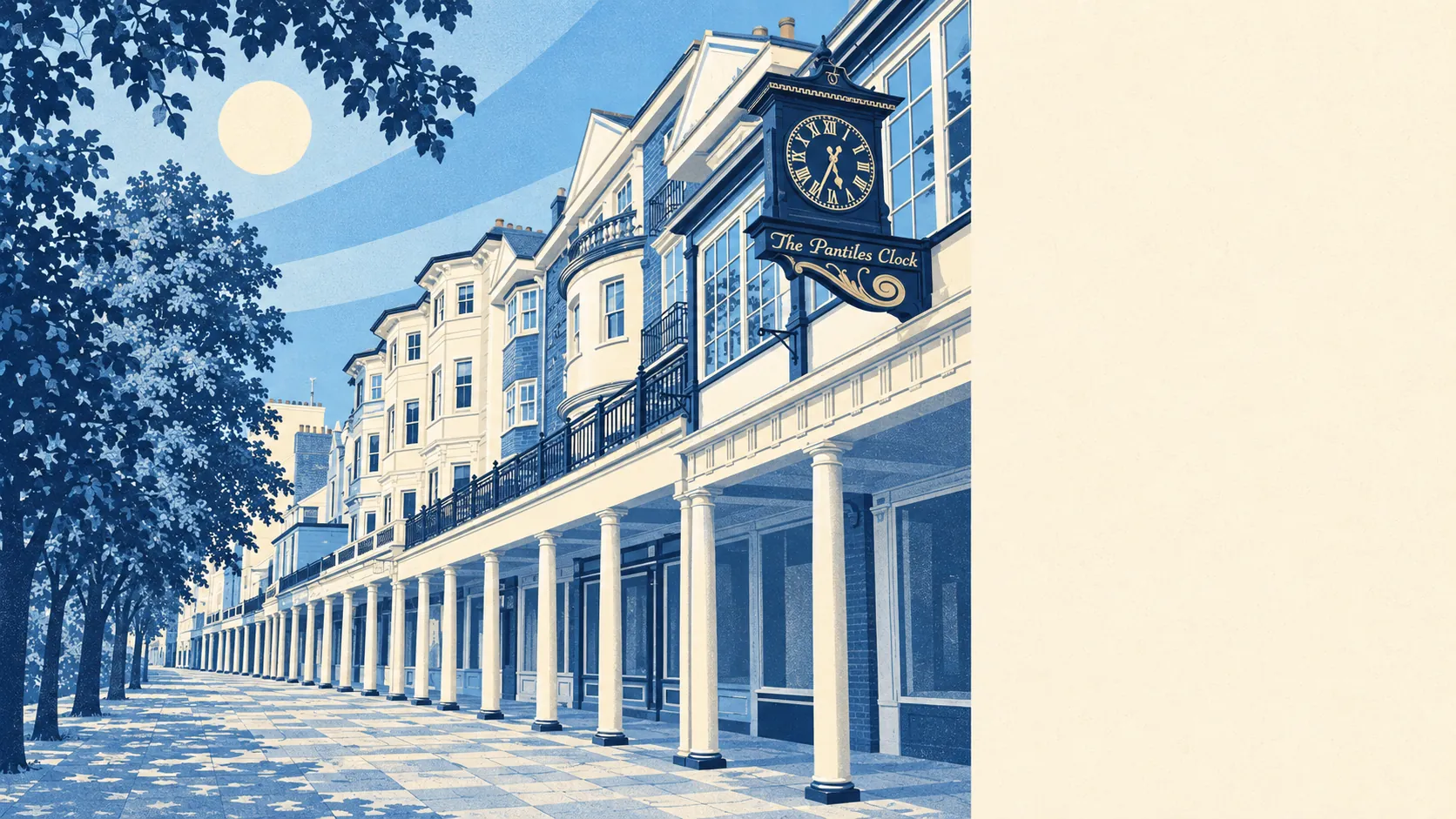
Yes, but in this town an extension is a public conversation. More than three hundred buildings are listed. A few dozen sit in the upper grades. The neighbours lodge over a thousand planning applications a year. Extending here is normal. Doing it without anyone noticing isn't.
Historic England's register lists 327 buildings in the area: one at Grade I, 36 at Grade II* and 290 at Grade II. Listing covers the whole building, inside and out, not just the front the tourists photograph. If the house you're buying is one of them, almost any change that affects its character needs listed building consent on top of any planning permission, and that covers the sash windows, the internal walls and the fireplace you were planning to take out. The Grade II* and Grade I buildings get closer scrutiny still. Buyers who fall for the period detail then plan to replace most of it tend to meet a conservation officer who liked it the way it was.
There's one scheduled monument in the area, the strictest tier of protection there is. It matters mainly to anyone whose land sits right next to it, and for most house-hunters it won't come up.
The planning register shows the town isn't frozen, though. Between April 2024 and June 2026 the council received 2,720 planning applications across the area, 1,240 of them in the last twelve months. That's not a town where nobody alters anything. It's a town where people alter things by filling in the form first, and where every loft conversion gets a public comments page.
For an ordinary unlisted house, many modest rear extensions and loft conversions can go ahead under permitted development, the national rules that let certain work happen without a full application. Those rights don't cover flats, and listed buildings need consent whatever the rules say, so the first question for any purchase is which of those two it is. Check the listing status and the property's planning history before making an offer, not once the architect has drawn something lovely.
Freedom to alter a home here is limited, with the listed stock setting the tone for the town. Plan the extension around the paperwork, because the paperwork won't plan itself around you.