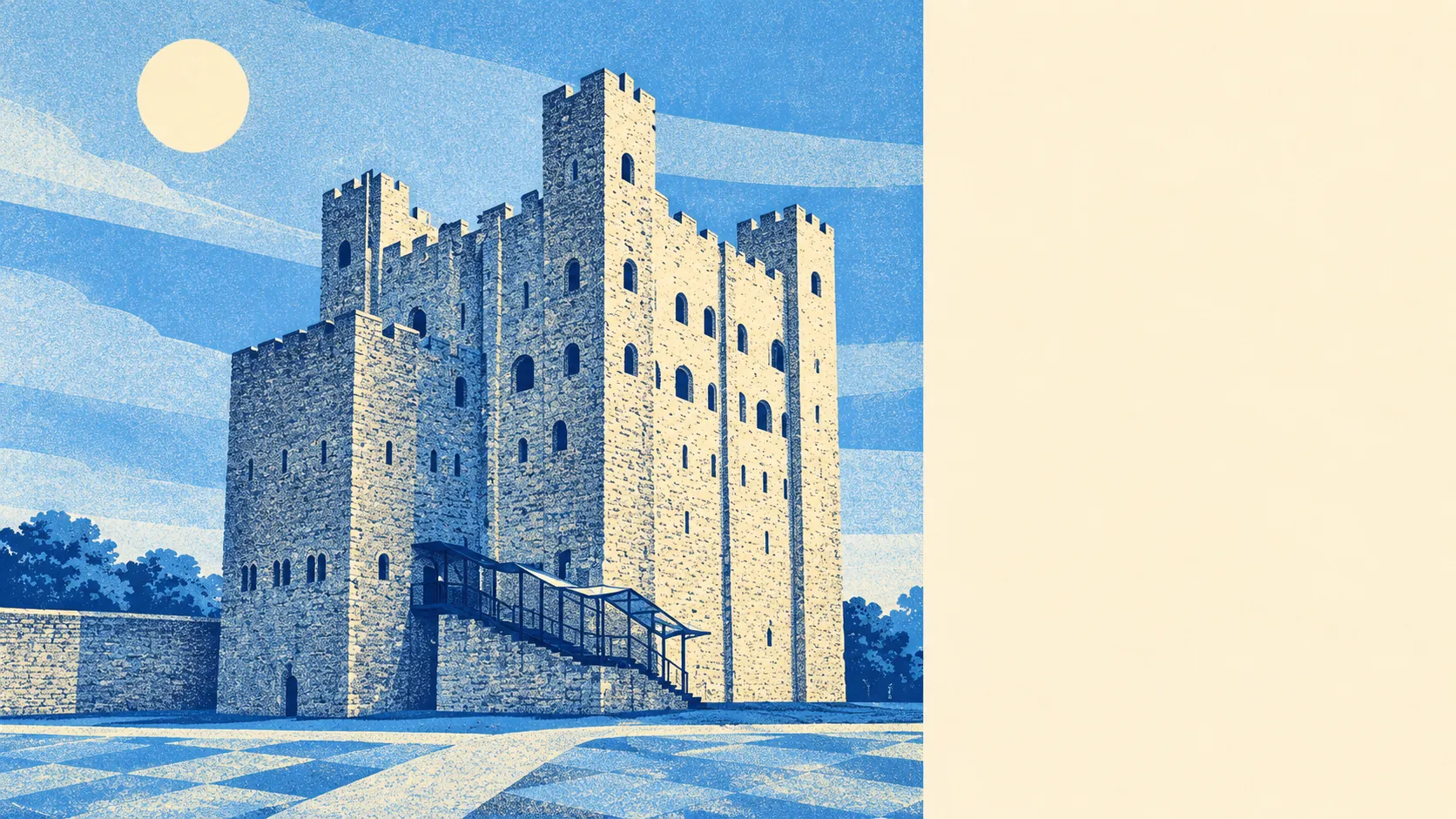
Yes, in most of the town, but the old core will make you work for it. Hundreds of buildings are listed. Ten conservation areas cover the historic streets. Neighbours are applying for planning permission all the time. An ordinary house on an ordinary street has plenty of room to change. A house near the cathedral comes with centuries of other people's opinions.
There are 336 listed buildings in the area: 26 at Grade I, 30 at Grade II* and 280 at Grade II. Listing covers the whole building, inside and out, so knocking through a wall or replacing a window in a listed home needs listed building consent on top of any planning permission. Owners of a Grade II listed cottage who assumed they had bought a house, not a responsibility, tend to learn otherwise when the new sash windows go in.
There are 10 conservation areas in the area, including Historic Rochester, Star Hill to Sun Pier and New Road Rochester. Inside them, the council looks harder at changes to the outside of a home, and you may need consent for work that would go ahead without a second look anywhere else. Check which boundary your street falls inside before you commission drawings, not after.
There are 13 scheduled monuments in the area. Scheduling is the strictest level of heritage protection, and it matters mainly if your land sits next to one. Few ordinary gardens do, but a few in Rochester do.
The planning register holds 3,252 applications between April 2024 and June 2026, and 1,389 of them came in the last twelve months. Plenty of people here clearly get on with altering their homes. The volume tells you nothing about how many were approved, so treat it as evidence of what neighbours try, not of what they get.
The geological survey's shrink-swell classification reaches class 3, and about 11% of the area sits at that level or above. That is a published hazard class for clay soils that swell when wet and shrink when dry. For an extension it usually means deeper foundations and an early visit from a structural engineer, not a reason to abandon the plan. It's cheaper to find this out at the design stage than from a crack in the new kitchen wall.
Historic England's Heritage at Risk register includes 3 listed buildings in the area. They are in poor condition, which may bring grant money for repairs and will certainly bring scrutiny. They don't make an ordinary house down the road any harder to buy or extend.
Rochester Cathedral was built in stages between 1080 and 1343. Your kitchen extension will be faster than that, but in the old town expect it to feel like the same kind of project. Outside listed buildings and conservation areas, plenty of modest rear extensions and loft conversions can go ahead under permitted development without a full application. Inside them, those rights narrow or disappear. Ask the council what applies to your exact address before you exchange.
Freedom to extend is limited in Rochester, especially in the historic centre. On the post-war streets further out you have more room. In the old town, you are mostly looking after the building for the next owner.