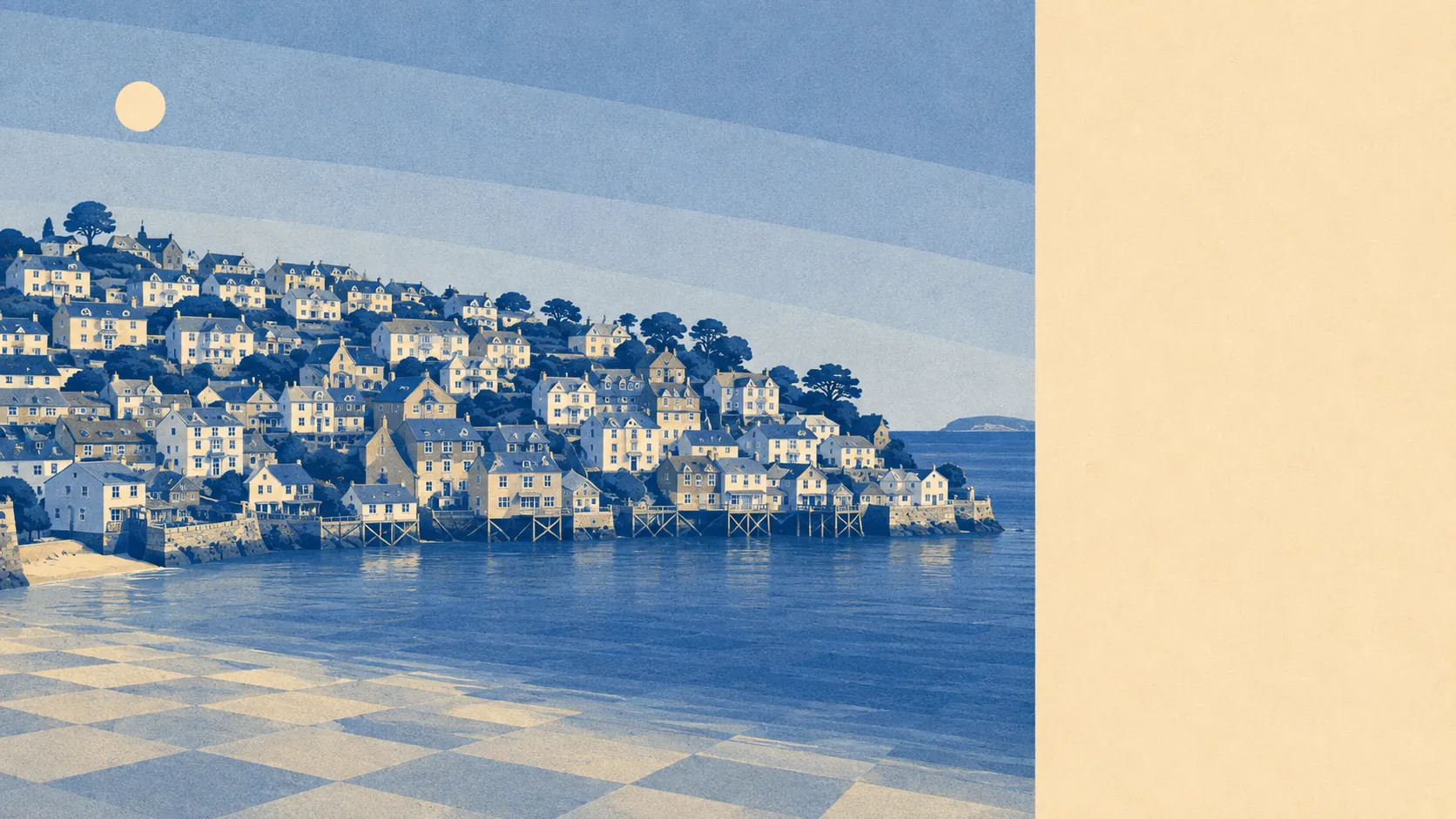
Yes, and you will be doing it in front of an audience. The village sits inside a conservation area, and a second one faces it across the water. Thirteen buildings here carry listed status. Ninety planning applications went in across the area in the last twelve months, so this is plainly not a place where alterations are forbidden. It is a place where they are watched, and where the elevation nobody thinks about is the one facing the river.
Thirteen buildings in the area are listed: one at grade two star and 12 at grade two, with none at grade one. Listing is not a ban on change, but it moves the job into a different process. Listed building consent is needed for alterations affecting character, inside as well as out, which means internal walls, staircases, fireplaces and original windows all count. Owners of the other homes in the village should note the number cuts both ways: 13 is a small enough share that most houses here are not listed at all, and buyers who assume otherwise talk themselves out of straightforward projects.
Two conservation areas sit within the area, covering Polruan and Fowey opposite. Inside one, the ordinary permitted development freedoms are narrower than they are elsewhere. Demolition, work to trees and changes to the look of a building from the street can require consent that would be automatic in a 1990s cul-de-sac, and materials tend to be the sticking point rather than the extension itself. Anyone planning to swap timber for plastic windows should have that conversation with the council before they have it with a fitter.
Three scheduled monuments sit within the area, which is the strictest protection tier in the system. That matters mainly for anyone with land close to one, where works can need separate consent from the local planning process entirely.
The live evidence is that people extend here anyway. There have been 213 planning applications across the area between April 2024 and June 2026, with 90 of those in the most recent twelve months. That is a village and its surroundings where somebody is always applying for something, which is a more useful signal than any policy summary: the route exists, people take it, and the professionals who handle these applications locally have done it before.
In practice, the split is simple enough. Away from the listed buildings and outside the tightest parts of the conservation area, ordinary permitted development still applies and a rear extension is a normal project. Inside a conservation area, or on anything listed, assume consent is needed and budget for a heritage-literate architect rather than a general one. The steepness does its own filtering too, because sideways expansion is a luxury most plots here do not have, and extending upwards is exactly the sort of change a conservation officer looks at hardest.
Freedom to alter a home here lands somewhere in the middle: not the free hand of a modern estate, not the locked box of a village where everything is listed. Buy expecting a process rather than a refusal, and price in the professional fees before the builder.