Yes, and in most of Old Sarum the heritage system will not take the slightest interest. Seven listed buildings across the whole area, and not one of them top grade. One conservation area. One scheduled monument. The ancient half of the name sits up on a hill, and the streets below it are modern housing governed by entirely ordinary rules.
Taking the listings first, Historic England records 7 listed buildings within the area: none at grade one, one at grade two star and six at grade two. Listing is a heavy constraint where it lands, because it covers the whole building inside and out and drags consent into decisions owners assume are theirs alone, from window frames to internal walls to what goes back on the roof. It lands on 7 entries. Everyone else is having a normal conversation about planning.
There is a single conservation area, covering Old Sarum Airfield. Inside one of those, the council gets a say on work that would be permitted development anywhere else, alterations affecting the character of the place need consent, and the bar for acceptable design rises considerably. Outside the boundary, none of it applies, which is the position almost every home here occupies.
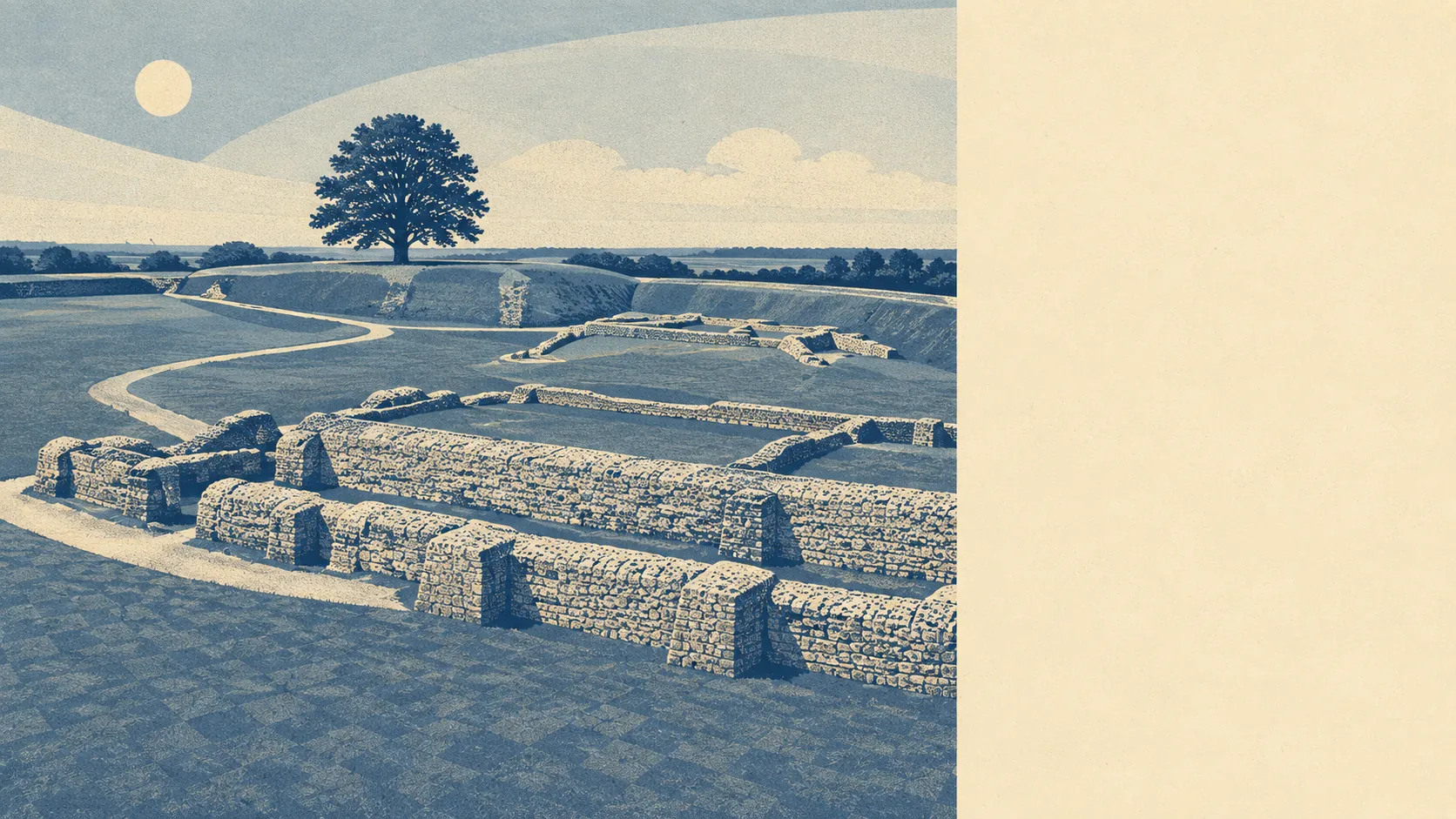
One scheduled monument sits in the area, Old Sarum itself. Scheduling is the strictest protection in the system and it guards the ground rather than a building, so it matters enormously to anyone whose plans involve digging near it and not at all to anyone adding a utility room on the far side of the estate.
The best evidence that people do alter homes here is the volume of them trying. Wiltshire Council received 509 planning applications across the area between April 2024 and June 2026, with 238 of those arriving in the most recent twelve months. That is a steady stream of neighbours asking precisely the question in this page's title. What those totals do not record is how each one was decided, so read them as evidence of activity rather than as a promise about outcomes.
One listed building in the area also appears on Historic England's Heritage at Risk register. That means a structure in poor condition, which brings the possibility of grant support alongside a level of scrutiny that would exhaust most private owners. It carries no implication whatsoever for the house on an ordinary street nearby, whatever a nervous conveyancer might make of it.
Practically, then, most owners here are working within the standard national rules. Permitted development handles a good deal of rear and roof work, anything past it becomes a householder application to Wiltshire Council, and the local constraints that sink projects in older towns are simply not present on the modern stock. The exceptions are the properties within the conservation area and the small number carrying a listing, where those permitted rights are cut back and the design discussion starts earlier and runs longer.
Freedom to alter is one of the stronger arguments for buying here. The heritage protection is real, but it is parcelled up neatly around an airfield and a hilltop instead of spread across the residential streets. The ruin handles the history so the houses do not have to.