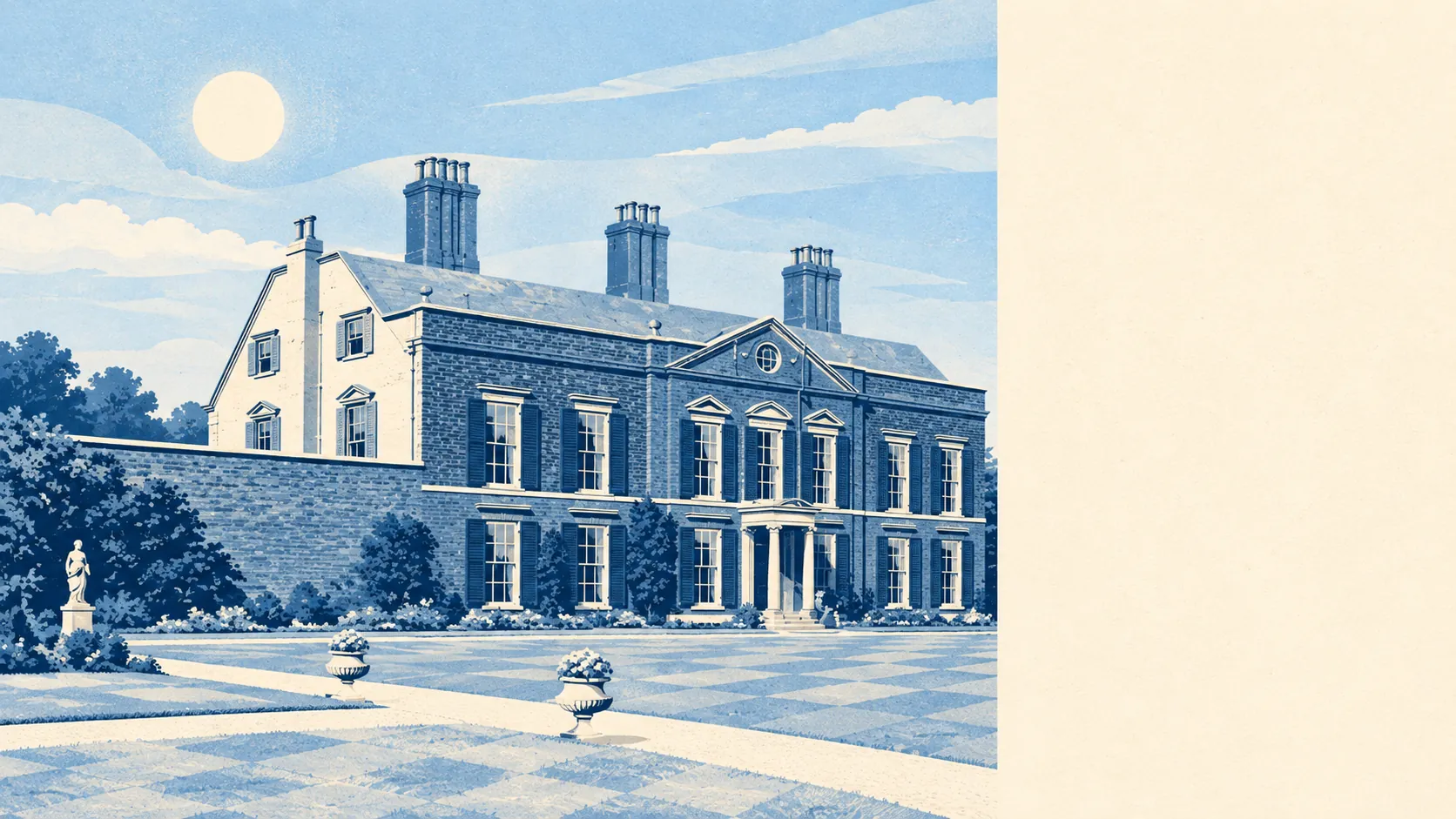
Yes, and Lower Edmonton makes it easier than most. There is no conservation area. There are no scheduled monuments. There are a few dozen listed buildings, none of them at the top grade. The clay under the houses will have more say in your extension than the heritage rules.
Historic England lists 29 buildings within the area: none at Grade I, three at Grade II* and 26 at Grade II. Listing covers the whole building, inside and out, so any change to one of those 29 needs listed building consent on top of any planning permission, and doing work without it is a criminal offence. With no Grade I building in the area, the most protected buildings in Lower Edmonton are the three at Grade II*. For almost everyone else, listing never comes up.
Enfield Council received 1,112 planning applications for the area between April 2024 and June 2026, and 526 of them came in the last twelve months. People here alter their homes all the time. Enfield's online planning register lets you search a street and see what has been attempted there, house by house. That is the quickest way to see whether next door's loft conversion went through or caused a row. With 526 applications in a year, whatever extension you have in mind, someone nearby has probably tried it already.
The British Geological Survey puts the area in class 3 for shrink-swell, its moderate hazard band, and every part of the area reaches that class. Clay soils swell when wet and shrink in dry summers, and nearby trees make the movement worse. For an extension, that usually means deeper foundations than a builder would pick on instinct, plus a structural engineer's view of the ground. Building control will expect that, and the foundations are where the budget usually grows. Planning officers can be negotiated with; the clay can't.
Three of the listed buildings are on Historic England's Heritage at Risk register. That means they are in poor enough condition for repairs to qualify for grant funding and to draw close scrutiny. It is a problem for the owners of those three buildings. A buyer of an ordinary house nearby is unaffected.
In practice, most houses outside a conservation area keep their permitted development rights, so a modest rear extension or a loft conversion within the national size limits can often go ahead without a full planning application. Anything bigger, anything on a flat, and anything touching a listed building needs consent from Enfield Council. The council can also remove permitted development rights from particular streets or properties, so it is worth confirming with the council that the house you want still has them before you plan around that.
Freedom to extend is one of Lower Edmonton's real strengths. Heritage rules barely apply, and the ground is the main thing to plan for.