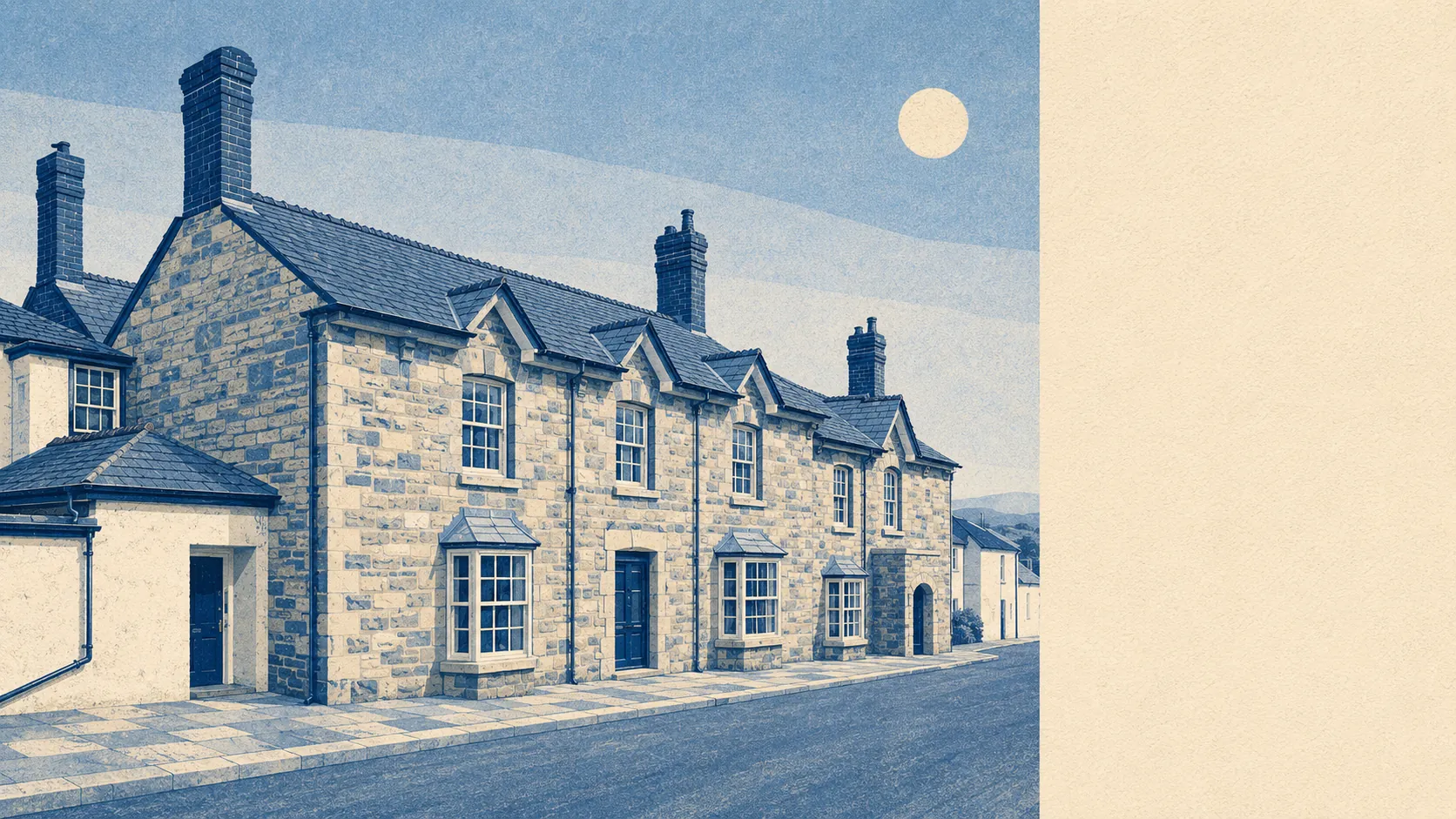
Yes, unless you have bought one of the old ones, in which case the answer gets longer. Twenty-two buildings in the parish carry a listing. One conservation area sits over the historic core. Nearly half the housing stock predates 1930, so the odds of your project involving genuinely old fabric are respectable. Whether you can extend here is decided less by the planning authority's temperament than by which side of a line on a map your front door happens to sit.
Historic England records 22 listed buildings across the area. One holds grade one status, the highest category, and the other 21 are grade two. None sit in the grade two starred band in between. Listing is the constraint people consistently underestimate, because it does not stop at the front elevation: it covers the whole building, inside and out, and it catches things owners assume are cosmetic. Replacement windows, internal walls, staircases, fireplaces and anything structural need listed building consent, which is a separate application from planning permission and runs on its own logic. Twenty-two buildings out of a village this size is not a heritage theme park, but it is enough that checking the register before you make an offer is cheaper than checking it afterwards.
There is one conservation area, covering Lifton itself. Designation brings additional controls beyond ordinary planning, typically over demolition, certain external alterations and work to trees, with the exact scope set by West Devon rather than by any national rule. If the house sits inside the boundary, the safe assumption is that anything visible from the street is a conversation rather than a decision.
The reassuring part is that people plainly do get work done here. The planning register carries 80 applications across the area between April 2024 and June 2026, with 31 of those in the last twelve months. For a village of this size that is a steady stream of extensions, alterations and outbuildings going through the system rather than a place where nobody bothers trying. Whatever the constraints look like on paper, they are not stopping the neighbours from filing.
One local quirk worth budgeting for: mining. This is not coal country, and no part of the area sits within a coalfield consultation zone, but agriculture and mining both shaped the economy here historically and the record shows it. Around 14% of postcodes have a recorded working within 500 metres, with the nearest sitting about 358 metres away, and no postcode sits directly above a recorded working. In practice that means a mining search may be raised during conveyancing and, on a minority of addresses, a lender or insurer may want a specialist report before they are comfortable. It is a paperwork question rather than a structural verdict, and it applies to a modest share of the village.
For most houses here, the practical position is straightforward. If the property is not listed and sits outside the conservation area, ordinary permitted development rights apply and a rear extension or a loft conversion is a normal project. If it is listed, or inside the boundary, assume you need consent for more than you expected and design around that from the start rather than redesigning after a refusal. West Devon confirms which category any address falls into, and asking before the architect starts is the cheapest phone call in the process.
Freedom to alter a home here sits in the middle: real constraints on a defined minority of properties, and an unbothered planning life for everyone else. The village keeps its heritage in a small number of buildings rather than spreading it thinly over all of them, which is good news for most buyers and a genuine commitment for a few.