Yes, but the further you get from the interwar streets, the more paperwork you'll need. There are well over a hundred listed buildings. Conservation areas cover large parts of the town. The clay underneath moves with the weather. Most extensions here are possible, but they take longer and involve more people than buyers tend to expect.
Historic England lists 124 buildings in and around Isleworth. Nine are Grade I, ten are Grade II* and 105 are Grade II. Listing covers the inside of a building as well as the outside. Changes that affect its character need listed building consent on top of any planning permission, and that applies to Grade II as much as Grade I. Lower Square and Church Street still have buildings from the 18th and early 19th centuries. Owning one of them means sharing decisions about it with the council.
There are 15 conservation areas in and around the area, among them Isleworth Riverside, Osterley Park, Old Deer Park, Spring Grove, Cole Park Road and Crown Road. Inside a conservation area, changes that would go through without a second thought elsewhere can need permission. That covers alterations to front elevations, roofs and boundaries, and demolition. The council can also remove further permitted rights street by street. Check Hounslow council's conservation-area maps and any area-specific restrictions for the exact address. Two houses on the same road can come under different rules.
There are two scheduled monuments in the area, the strictest tier of protection in England. One of them is London's Early Porcelain Industries: The Isleworth Pottery. Unless your garden backs onto one, they're unlikely to affect you. It's a little odd that Isleworth's porcelain workshop is protected more tightly than any of its houses.
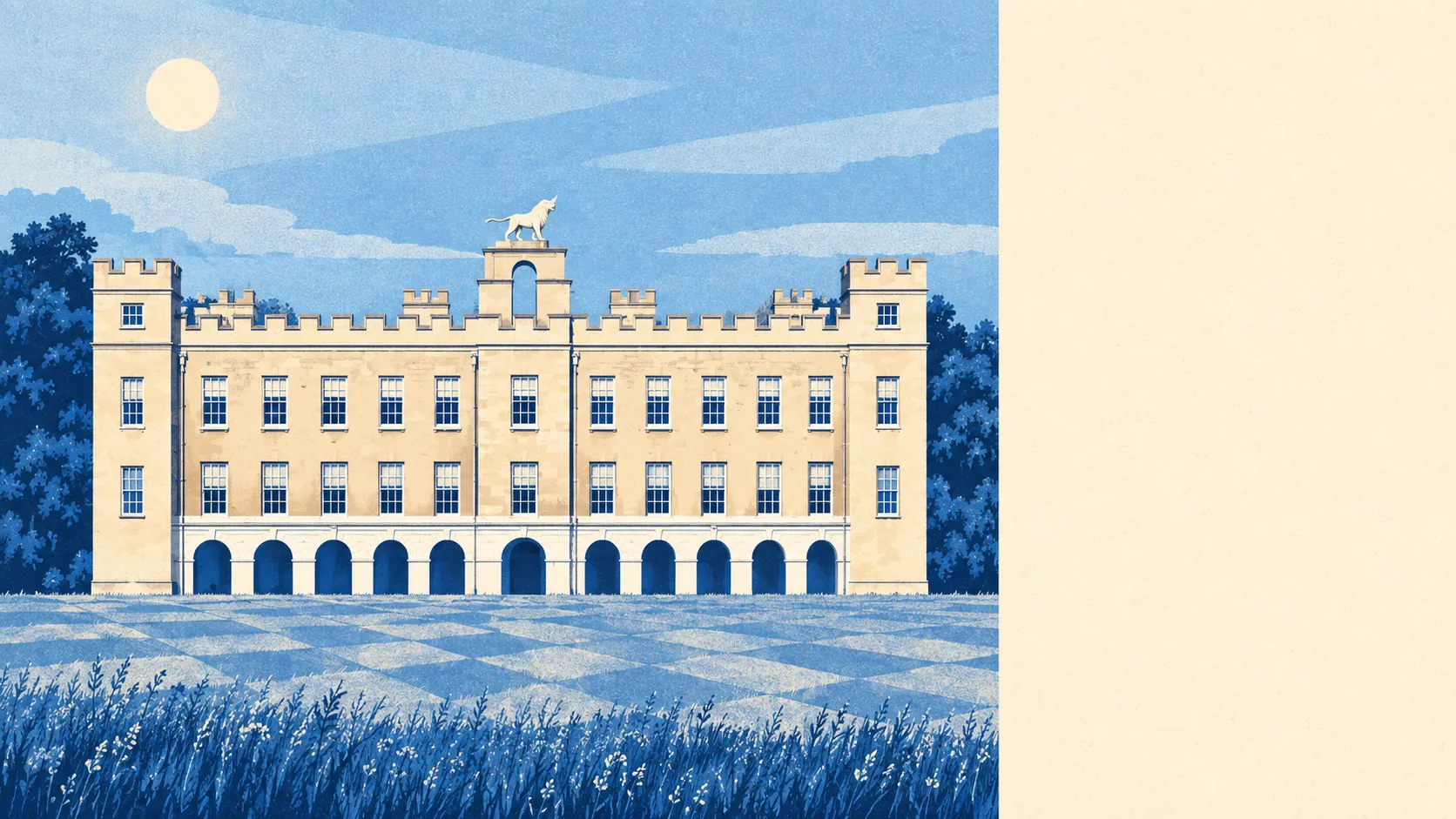
The neighbours extend anyway. Hounslow council logged 1,143 planning applications for Isleworth between March 2024 and July 2026, including 455 in the last twelve months. People here alter their homes all the time. Isleworth has always done this: Henry VIII demolished most of Syon Monastery after 1539, and the Duke of Somerset built Syon House on the site in 1548, presumably without consulting the neighbours.
The ground is the other planning matter. The British Geological Survey puts all of Isleworth in shrink-swell class 3, meaning the clay underneath expands when wet and shrinks when dry. For an extension, that usually means deeper foundations and a structural engineer's assessment of trees and drains near the new walls. It's routine work, but it costs more than a rear extension on firmer ground. The soil that grew London's market gardens in the 19th century hasn't stopped moving.
Three of Isleworth's listed buildings are on Historic England's Heritage at Risk register. These are buildings in poor condition. Repairs may qualify for grant support, and the work will be closely watched. They're a concern for whoever owns them, and much less so for the people who live next door.
Most of Isleworth's housing is interwar semis and terraces outside the conservation areas. Here the usual permitted-development rights apply for modest rear extensions and loft conversions, although the council still needs to be notified about some of them. Inside a conservation area those rights are narrower. For a listed building almost everything needs consent. Find out which of the three applies before you draw anything.
You have less freedom to extend in Isleworth than in most places. The interwar streets are fairly flexible, but the riverside, the parkland edges and the clay make many projects slower and more expensive than buyers expect.