Yes, provided you can afford the altitude. Three in four own their home. The typical resident is about fifty. Nearly half work from the spare room. Hindhead is a comfortable hilltop, and it charges like one.
The housing is mostly houses, and mostly big ones. On the council-tax valuation list, 35% of homes are detached and 13% are bungalows, against 16% semis and 8% terraced. Flats make up 25%, which will surprise anyone who has only seen the gravel-drive photos. About 31% were built before 1930, from when Hindhead grew into a proper settlement in the late 19th century and people started building at the top of the county instead of passing through it. Energy ratings are middling. Of the homes with an energy performance certificate, 48% rate A to C, 38% sit in band D and 14% are E or worse. About 77% of homes heat with mains gas and 9% rely on electric-only heating. Ask which one you're looking at before the viewing, because the first winter bill will tell you anyway.
The Land Registry recorded 75 sales in the twelve months to mid-May 2026, at a median of about £535,000. That median splits the difference between two different villages. Flats sold for about £225,000 across 22 sales, and the 8 terraces for about £407,500. The 15 semis went for about £595,000. Detached houses were the most traded type, with 30 sales at about £790,000. The council-tax list makes the same point more bluntly. The most common band is G, and only 13% of homes sit in bands A or B. Nobody ends up in band G by accident.
Renting is a side-show here. About a quarter of households rent, and the typical private rent across the Waverley area was about £1,440 a month as of April 2026, down about 3% on the year. That is a borough-wide figure, not Hindhead's own. A detached house on this ridge won't be letting at the borough typical, and the landlord knows it.
Surrey Police data for June 2025 to May 2026 puts the published crime rate at about 39 per 1,000 residents, around 14% below the Waverley average. Burglary makes up about 9% of recorded crime here, against 4% across England and Wales. The totals are small enough that a handful of break-ins moves that share by several points, so treat it as a reason to fit a decent lock, not as a trend. The worst thing on record here happened in 1786, when three men who murdered a sailor on the London road were hung in chains on Gibbet Hill. Standards have slipped since, in the right direction.
Hindhead has no station of its own. The nearest options are Haslemere and Liphook, and about 1% of working residents commute by train. Working from home (45%) and driving (42%) run the place between them. There are 61 bus stops. Of the 41 with timetable data, 95% get a weekend service and they average about 57 weekday departures each. Gigabit broadband reaches 78% of premises and superfast 99%, so the spare-room commute holds up. In the Department for Transport's 2019 modelling, the nearest hospital is about 29 minutes by car and 74 by public transport. Plan on a car.
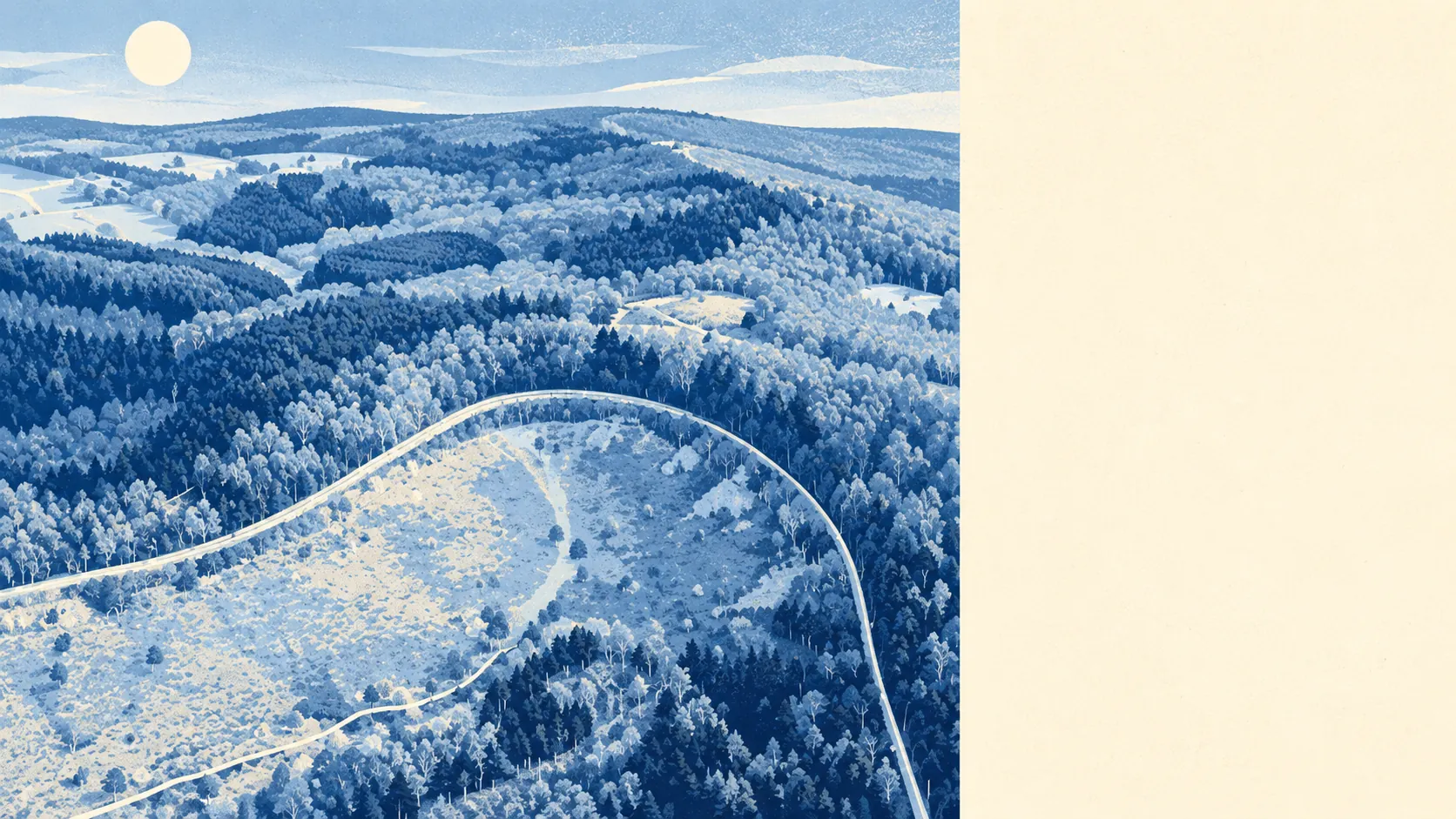
None of Hindhead sits in the Environment Agency's river-and-sea flood zones. Across all postcodes, and counting surface water on at least one indicator, about 2% are flagged at high risk, 3% at medium and 9% at low. Water runs downhill, and Hindhead is the top of the hill. The nearest green space is about 240 metres away on average, with six within a kilometre. The Surrey Hills Area of Outstanding Natural Beauty covers about 9% of the area, and the Devil's Punch Bowl, a site of special scientific interest, fills the north side of the village. Dog owners have won the lottery.
Heritage rules are lighter than the scenery suggests. There are 28 listed buildings, one Grade II* and 27 Grade II, and one conservation area, Grayshott. Outside those, extending a house is an ordinary planning conversation. Most of Hindhead was built too late to count as precious, which suits anyone with plans for a garden room.
The community is settled and owner-occupied. About 77% own their home, the median age is 50, and modelled gross household income averaged about £70,000 in the financial year to March 2023. About 85% report good or very good health. Hindhead sits near the least-deprived end of England's deprivation index and stayed there between the 2019 and 2025 editions. This is Surrey for "fine, thanks", and it means it.
This page also covers Grayshott, over the border in Hampshire, Churt on the road north towards Farnham, and Hammer. Prices and character shift a little between them, but the ridge and the drive to the shops are the same.
Hindhead suits buyers who work from home, own a car or two and want heathland outside the back gate. Families will find Surrey's schools strong. Ofsted grades 147 of the county's 159 inspected settings as good or better, and 30 of them as outstanding. Downsizers get bungalows and quiet streets, which aren't easy to find together.
It suits people who want a station within walking distance much less, and the same goes for anyone chasing a bargain or an evening out. The village has one pub. Anyone who needs a choice of pubs on a Friday will find Haslemere's station and high street a better match for a lot less driving.
Hindhead has kept better company than most villages its size. Sir Arthur Conan Doyle lived at Undershaw from 1897 to 1907 and wrote The Hound of the Baskervilles there. His neighbour Grant Allen lived at "Hilltop", and when Allen died, Conan Doyle finished his novel Hilda Wade for him. That sets a high bar for neighbourliness. George Bernard Shaw and John Tyndall also appear among Hindhead's notable names. Later came Peter Alliss, the golfer and commentator, and the tennis player Jodie Burrage grew up here.
Hindhead is a good place to live. Its real strength is the community: settled, healthy, owner-occupied and about as far from deprived as England gets. The weak spot is value. You pay band G money for a village with one pub and a station in somebody else's town. Come for the Punch Bowl on the doorstep, and leave the bargain-hunting for somewhere further down the hill.