Yes, in most of Highworth, as long as you didn't buy a listed building. Most homes are post-war and unlisted. The old centre is a conservation area. Every postcode sits on shrinking clay. Extending the semi is a formality. Extending the Georgian townhouse is a campaign.
The area has 95 listed buildings: 1 at Grade I, 8 at Grade II* and 86 at Grade II. Listing covers the whole building, inside and out, not only the frontage, so changes that affect its character need listed building consent on top of any planning permission. That consent can take in windows, doors, internal walls and the fireplace a previous owner boarded up. At Grade II* and above the scrutiny gets heavier. Before an offer goes in on one of the 95, cost the repairs you'll be allowed to do as well as the ones you want.
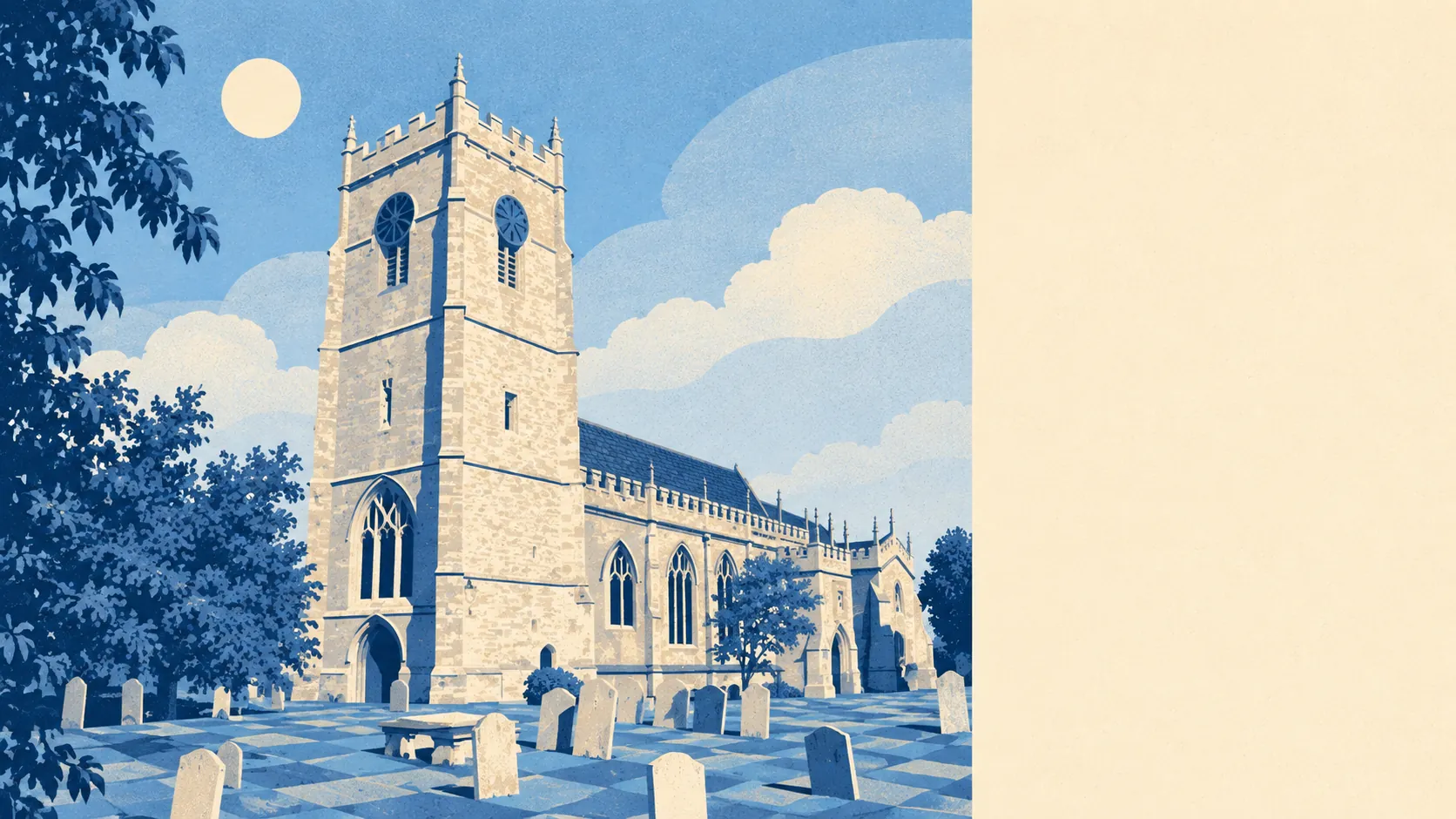
There is one conservation area in the area, Highworth itself, covering the old town centre since 1976. Being in a conservation area doesn't freeze a house. It does mean the council takes a closer interest in anything visible from the street, and some works that would pass without comment on an estate need a formal application inside the boundary. Buyers who fell for the old centre because it looks untouched sometimes forget that the planning controls are what keep it that way.
The neighbours aren't put off. Between April 2024 and June 2026 the area logged 681 planning applications, including 295 in the last twelve months. That volume is evidence that people here alter their homes as a matter of routine: extensions, loft conversions, the lot. It says nothing about how many got approved, so a busy planning register tells you people ask, not that they always get a yes.
The ground needs as much attention as the council does. The British Geological Survey's shrink-swell class reaches 3 across the area, and 100% of it sits at class 3 or above. Clay soils like these swell when wet and shrink when dry, which can move shallow foundations over the years. It isn't a reason to shelve an extension. It is a reason to budget for deeper foundations and to get a structural engineer's view before the builder quotes, especially near large trees. The house that has stood happily since the 1960s wasn't built with your new kitchen in mind.
In practice, Highworth splits into two kinds of homeowner. Most of the stock is post-war and unlisted, outside the conservation area, and there the usual household allowances, known as permitted development, cover a lot of ordinary projects without a full application, subject to the national limits. Inside the conservation area, and on any listed building, assume you'll need consent and plan the timetable around it. Check the property's listing status and whether it sits inside the boundary before exchange, because both come with the house whether or not the particulars mention them.
Your freedom to extend in Highworth is middling. It's easy on the estates, slow and supervised in the old centre, and on every plot the clay has to be allowed for.