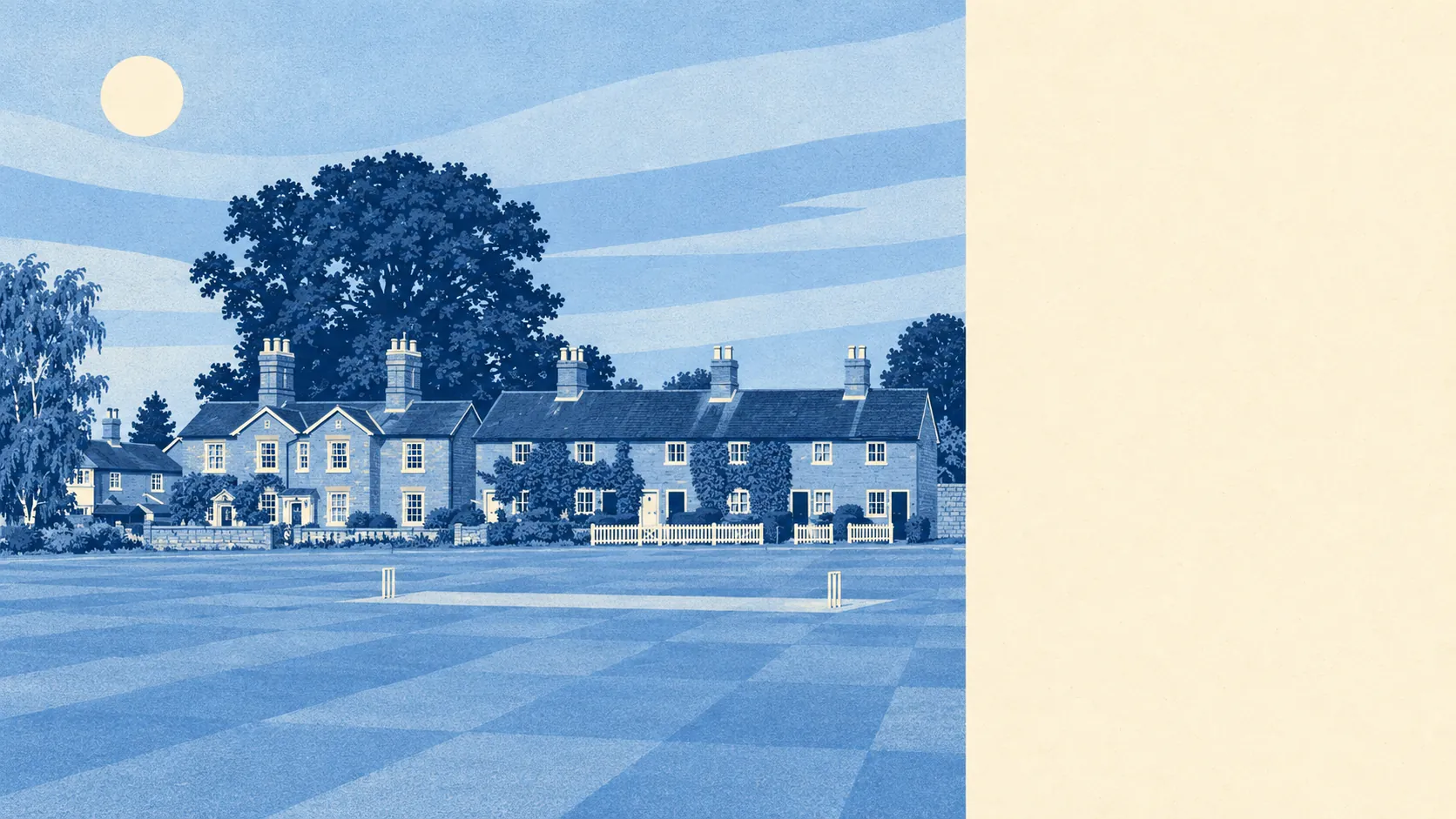
Yes, but expect to ask permission first. Hundreds of listed buildings sit in and around the village. There are two conservation areas. Neighbours file planning applications all the time. The planning department knows this village better than the estate agents do.
The wider area holds 413 listed buildings: 9 at Grade I, 22 at Grade II* and 382 at Grade II. Listing covers the whole building, inside and out, so changing windows, removing an internal wall or adding a rear extension needs listed building consent on top of any planning permission. Grade II is the most common grade and the most flexible, but even Grade II is strict. In practice, it means asking permission for things most homeowners elsewhere would decide over a weekend. The door you want to replace may have been fitted before the Georgians had opinions about doors, and the council will have opinions about it too.
There are two conservation areas in the wider area. Inside them, the council controls demolition, trees and changes to how a house looks from the street more tightly than elsewhere, and some permitted development rights may be reduced or removed. If the listing says "character property", check whether it is inside one of these boundaries before you plan the loft conversion.
Two scheduled monuments sit in the surrounding area. These carry the strictest protection in the system, and they matter mainly if your land borders one or your garden happens to contain some old earthworks.
The good news is that people extend homes here all the time. The area logged 4,903 planning applications between April 2024 and June 2026, and 2,106 of those came in the last twelve months. The neighbours are not frozen in amber. They add rooms, convert garages and argue about roof lines like people everywhere else, only with more paperwork.
One listed building in the area is on Historic England's Heritage at Risk register. That means it is in poor condition. Any repair is likely to attract grant support and close scrutiny. None of this affects the buyer of an ordinary house down the road, although it shows how seriously old buildings are watched here.
For an unlisted house outside a conservation area, permitted development rights can cover a modest rear extension or loft conversion without a full planning application, although the rules have limits. If the house is listed, those rights mostly fall away and consent comes first. In a conservation area, some rights are narrower. The sensible order is to check the listing and the conservation area boundary before making an offer, not after the architect has sent the bill.
Your freedom to change a home here is limited: ordinary houses can grow with the right paperwork, but the density of listed buildings means the planning department has a view on most things.