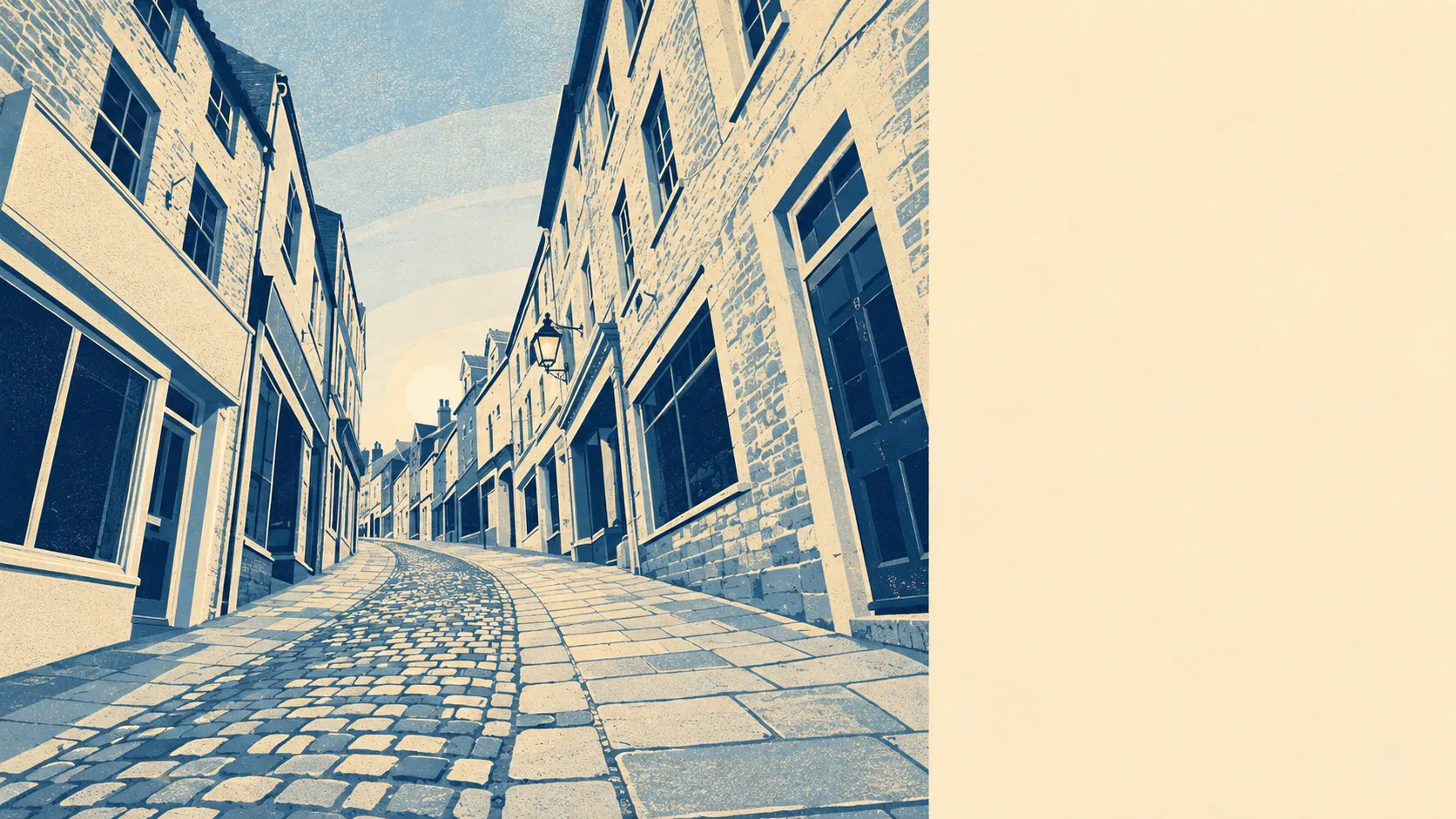
Yes, and rarely on the first drawing. This is one of the most heavily protected towns in Somerset. Seven conservation areas cover the town and the villages around it. Twenty scheduled monuments sit in the surrounding land. The question here is almost never whether you can change a house, it is how many people get a say before you do.
There are 799 listed buildings across the area: 17 at Grade I, 59 at Grade II star and 723 at Grade II. Listing is not a plaque on the front wall. It covers the whole building, inside and out, along with fixtures and often structures in its grounds, and listed building consent sits separately from planning permission. Replacing windows, opening up a chimney, taking out a partition or fitting rooflights are all capable of needing consent on a listed house, and doing them without it is a criminal offence rather than a paperwork problem. If the house you are buying is one of these, the survey matters less than the listing entry.
Seven conservation areas add a second layer for houses that are not listed at all, including the town's own. Conservation area status typically brings extra control over demolition and work to trees, and it can restrict alterations that would be permitted development elsewhere. The specific restrictions vary by area, so the answer for a given address comes from the council rather than from a general rule.
Twenty scheduled monuments sit within the area, which is the strictest protection tier in the system. Most buyers will never touch one, but if a plot adjoins or contains part of a scheduled site, consent is a separate process from planning altogether and the presumption runs heavily against disturbance.
None of this means nobody builds anything. The planning register carries 945 applications across the area between April 2024 and June 2026, with 422 of them in the last twelve months. People here are clearly extending, converting and altering their homes at a steady clip. They are also, on this evidence, going through the front door of the planning system to do it.
Mining legacy barely registers. One postcode in the area sits directly over a recorded working, with up to two recorded beneath it, and the average nearest recorded mine sits about 5 kilometres from a given postcode. For that one location, and for anything close to it, the practical consequence is a mining search and possibly a specialist report, which lenders and insurers sometimes want to see before they commit. It is a paperwork step rather than a verdict on the building.
Ground conditions matter more. The British Geological Survey puts the worst shrink-swell class present in the area at class 3, reaching about 11% of it. Clay that shrinks and swells with the seasons is the reason extension foundations sometimes go deeper than the quote assumed, and the reason a structural engineer's view is worth having before the builder prices the job rather than after the trench is open.
Five listed buildings in the area sit on Historic England's Heritage at Risk register. That describes buildings in poor condition, which can attract grant support toward repair and will certainly attract scrutiny over what happens to them. It says nothing about the ordinary house down the road, other than that the authority is paying attention.
The practical shape is this. On a modern house on the edge of town, outside the protected areas, normal permitted development rules apply and a rear extension is a straightforward job. In the old grid of stone streets, assume nothing is permitted development until someone at the council tells you it is, and budget for a heritage statement, a longer timetable and a design that answers to the building rather than to your kitchen plans.
Freedom to alter your own home is the weakest thing about living here, and it is not close. The same protection that makes Frome worth walking through is a standing veto on the extension you sketched on the back of the viewing brochure.