The area around Fitzrovia is unusually good for somewhere so central. A green space is about two minutes' walk from the average front door. There are dozens within a kilometre. Hardly anyone has a garden of their own. The surroundings are mostly squares, offices and restaurants, and they cover most of what a garden would.
The nearest public green space is about 170 metres from the average home, and there are about 36 within a kilometre. Most are small Georgian squares and gardens. Bedford Square and Russell Square are among the larger ones within reach, and Fitzroy Square gave the neighbourhood its name. Charles FitzRoy laid out his square in the eighteenth century to sell houses, and his buyers' successors now get the shade.
Water is further away. The nearest canal, river or lake is about 1.1 kilometres from the average home, with about two within a kilometre. The canal is near enough for a walk at the weekend, but too far to be part of everyday life.
The National Cycle Network is about 2.2 kilometres away on average, and no postcode is close to it. There is no ancient woodland in the area at all. Getting out into the country means using the termini first.
The rated-premises list counts 385 shops, 41 pubs and 139 restaurants in the area. That is a long list of places to eat and drink for a district this size.
Westminster's level of fine particles in the air was 9.7 micrograms per cubic metre in 2024.
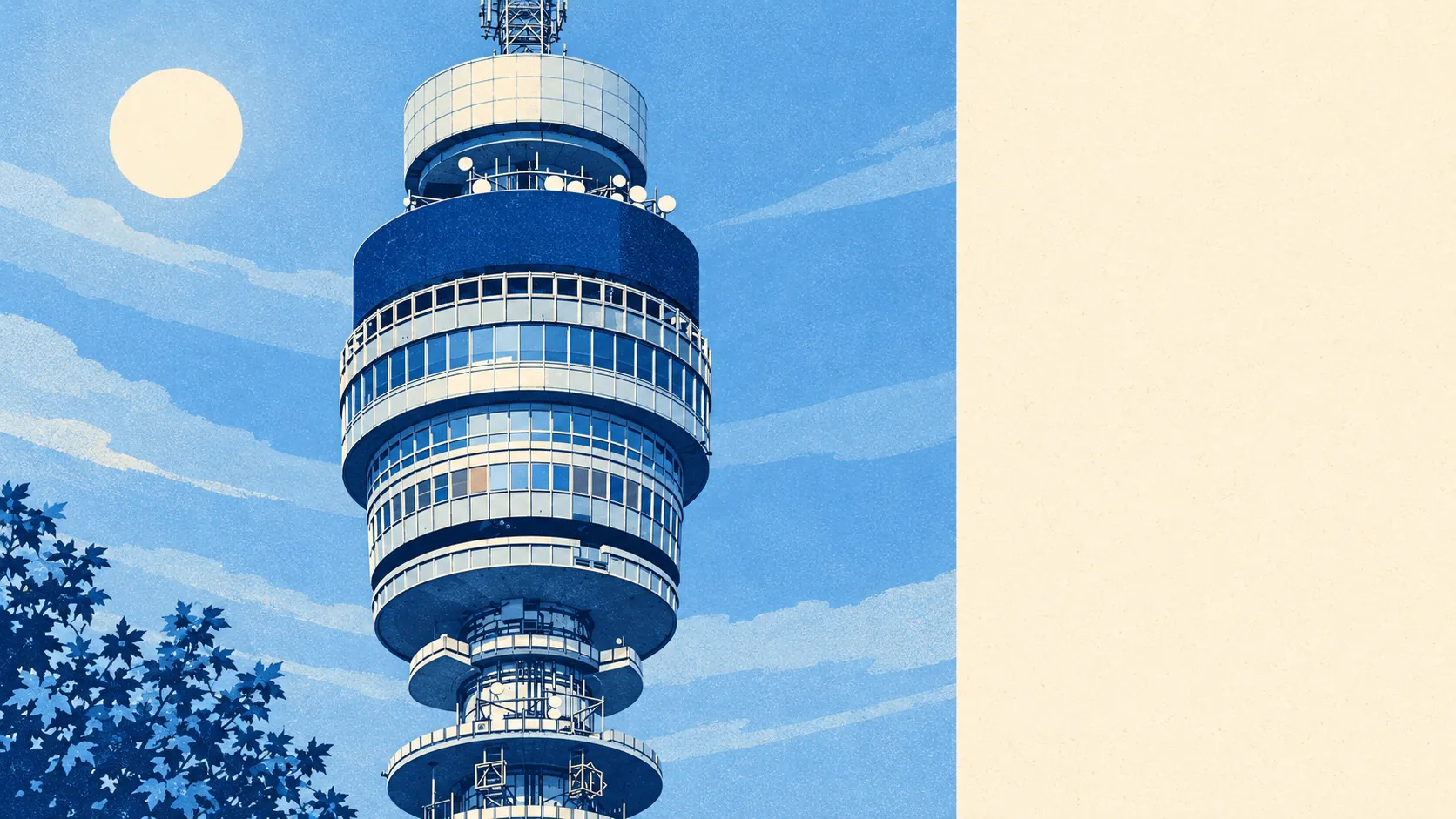
The neighbourhood still has some old residential corners. Colville Place and Middleton Buildings, built in 1759, are among the oldest surviving residential walkways in London. The Middlesex Hospital, which closed in 2005, covered a large part of the area, and its site was redeveloped as Fitzroy Place, completed in 2016. The BT Tower stands over Cleveland Street, and from its streets people can find their way home by it. The overall feel is of tall Georgian and Victorian buildings, with a few new blocks where an institution used to be.
Private gardens are scarce. There are about 6,300 square metres of private garden per 1,000 residents, which is very little because almost everyone lives in a flat. If you want outside space, ask whether the building has a shared garden or roof terrace, since the squares nearby will not be yours.
Mostly this is a working district. The council-tax valuation list for business rates records 3,455 rateable premises in the area. The largest category is offices, at 2,189, followed by shops at 352. Those are premises on the valuation list, not a count of businesses open today, but they show what the buildings were built to do. More people work here than live here.
The food is mostly clean. Of the 475 food premises inspected, about 70% hold the top hygiene score and about 5% are at the bottom of the scale. With 139 restaurants to choose from, it is easy to avoid the lower end.
None of the area is designated as protected landscape. There is no area of outstanding natural beauty, no site of special scientific interest and no ancient woodland. That is normal for central London.
For a place this central, the green space is very close, and it is the area's best feature. You get a small square at the end of most streets, though not a garden of your own, and most buyers who choose Fitzrovia are content with that.