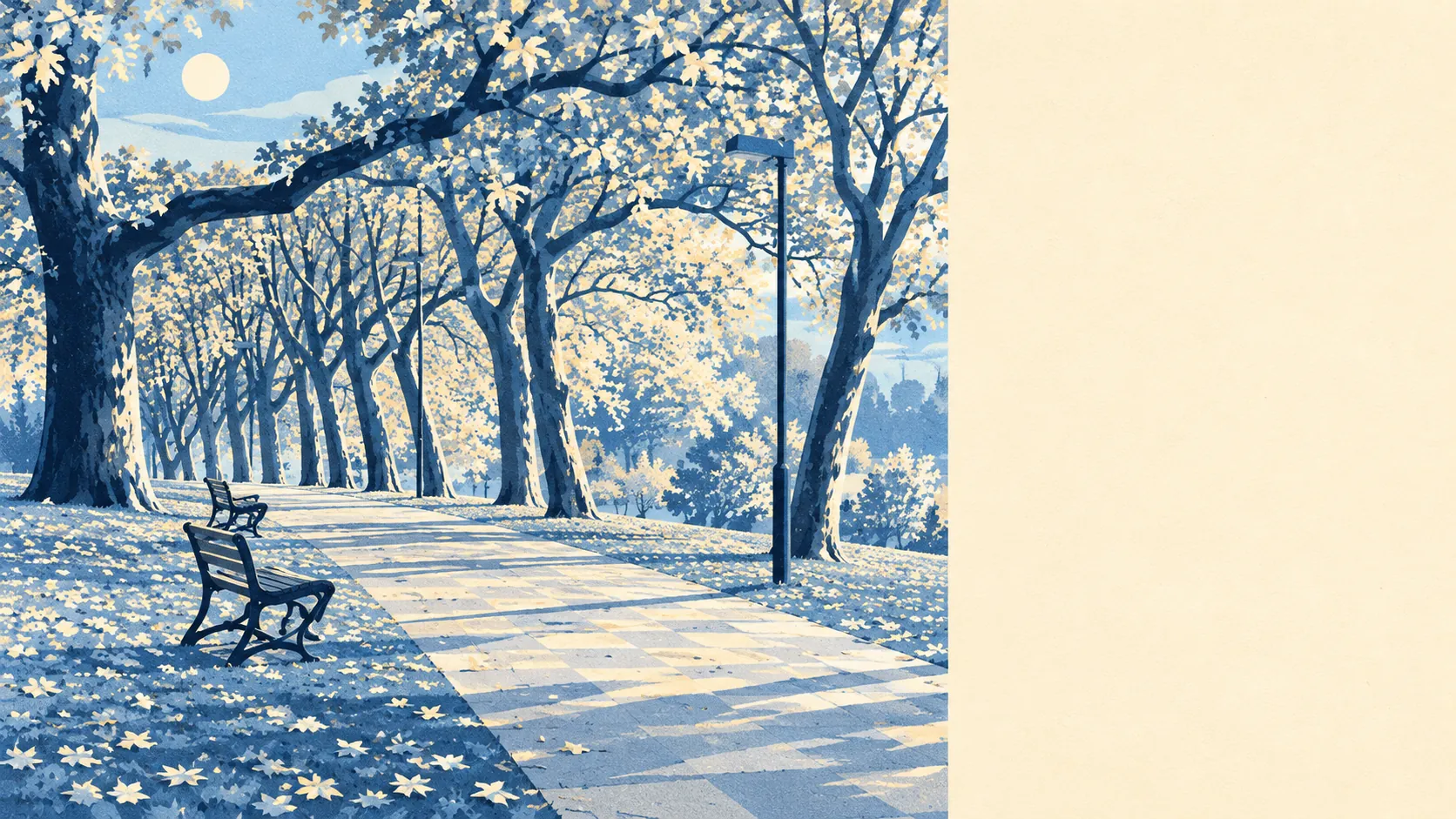
Cricklewood is a crowded bit of inner north-west London with an unusual amount of green space within reach. There is a park or green space a couple of minutes from most front doors. The heath is at one edge. Water is within a walk. The high street is mostly shops, and pubs are scarce.
On average, the nearest public green space is about 180 metres from a home here, and there are about 25 green spaces within a kilometre. Gladstone Park anchors Dollis Hill, Roundwood Park is close, and Childs Hill runs up against West Heath and Golders Hill Park, the arm of Hampstead Heath that reaches this way. The Crown was known for its pleasure gardens in the 1800s. It is the Clayton Crown Hotel now, and the pleasure gardens have moved to Gladstone Park.
The nearest water is about 770 metres from the average home, and there are six or seven bodies of water within a kilometre. Nobody moves here for a waterfront, but there is water within an evening walk.
The National Cycle Network is further off, about 8.7 kilometres from the average home, and no part of the area is close to it. Cycling here means using the ordinary roads.
Rated premises show the high street is built for shopping. The area has 404 shops, 24 restaurants and 9 pubs. Nine pubs for an area this size is a thin round, and the Crown, the pub the area grew up around, now books rooms.
Brent's fine-particle air pollution ran at about 9 micrograms per cubic metre in 2024, and that figure covers the whole borough.
This is a district of Edwardian and interwar streets, railway history and through traffic, with greener ground around its edges. The Railway Terraces Cricklewood conservation area keeps the old Midland Railway housing intact. Hampstead Cemetery and Golders Green Crematorium add more open, landscaped ground nearby, and Brent Cross and Golders Green are each a short bus ride away for anything the Broadway doesn't sell.
Private gardens are more generous than the housing suggests. Across the area there are about 37,000 square metres of garden for every 1,000 residents. Most homes are flats, though, and many of those gardens belong to the ground floor. Ask to see the lease plan for any flat with outdoor space, because a garden that is shared, or belongs to the flat downstairs, is not the garden in the brochure.
The valuation list for business rates shows 1,383 rateable premises. Shops are the biggest group at 403, then 273 offices and 157 warehouses and stores. These are premises on the list, not a count of businesses trading today. The warehouses are a reminder that this was railway and depot country long before it was anyone's commuter base.
The Food Standards Agency has rated 303 food premises here. About 68% hold the top hygiene score and about 7% sit at the bottom.
No protected landscape designation covers any part of Cricklewood. It has no area of outstanding natural beauty, no site of special scientific interest and no ancient woodland. The green space here is parks, heath edges and cemeteries, made for the people who live around them and maintained for them.
The surroundings are one of Cricklewood's real strengths. Green space starts almost at the front door, and the heath is close enough to use every week.