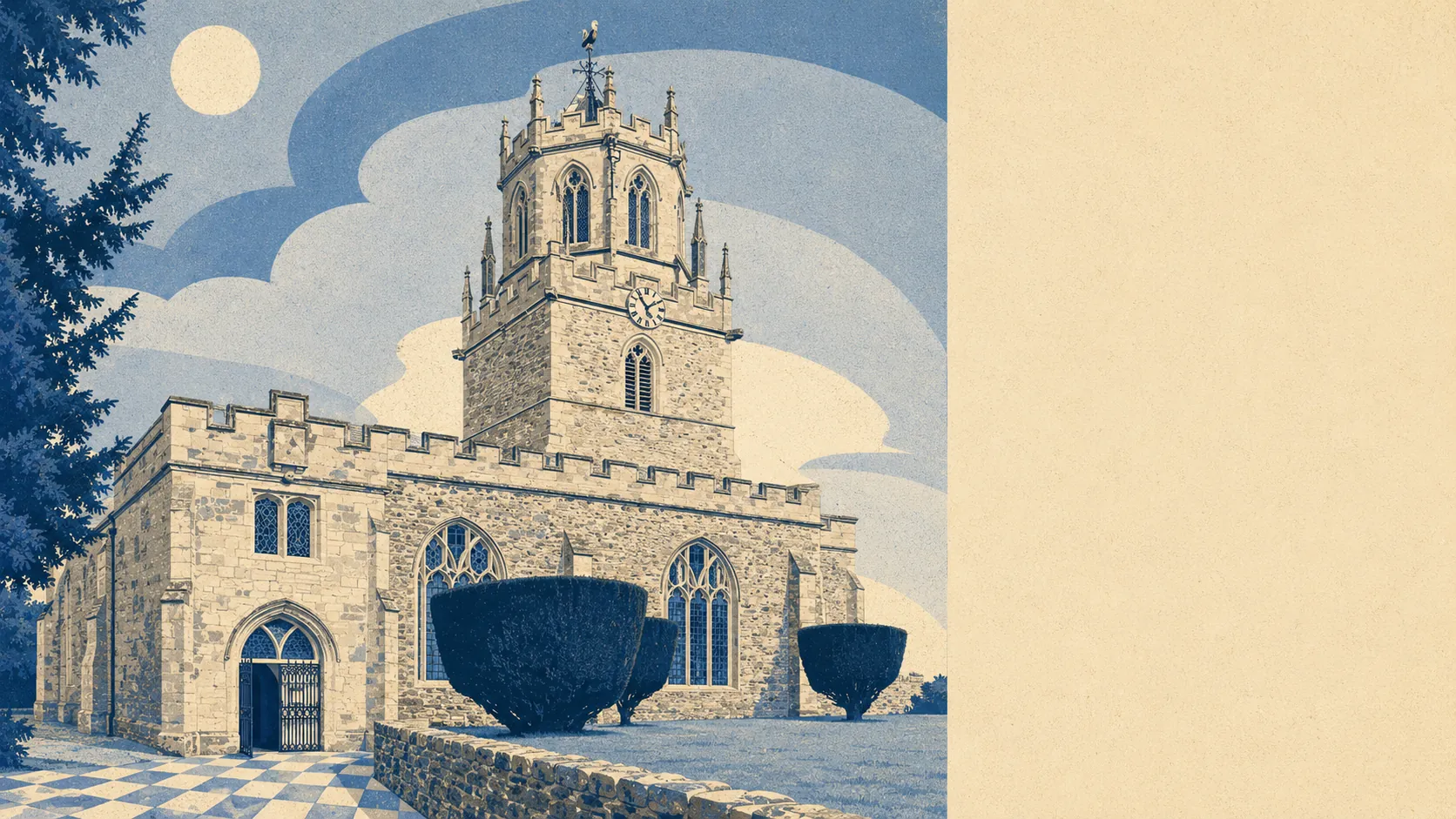
Yes, and you will be asking permission far more often than you would elsewhere. The area carries 189 listed buildings. Two conservation areas sit over Colyton and Colyford. Four scheduled monuments lie in the wider area. Extending here is less a building problem than a paperwork problem, and the paperwork usually wins the opening round.
Of those 189 listed buildings, 3 are Grade I, 13 are Grade II star and 173 are Grade II. Listing covers the whole building, inside as well as out, so consent reaches well past the obvious rear extension and into windows, internal walls, chimneys, floors and anything else that alters what the listing is protecting. Work done without that consent is a criminal matter rather than a form filled in late, which is the sort of thing owners tend to learn from a letter rather than from a solicitor.
The two conservation areas, covering Colyton and Colyford, work differently. Nothing inside them is automatically forbidden, but the usual permitted development freedoms are narrower, more of the work needs an application, and the council assesses what you propose against the character of the area rather than the convenience of your kitchen. Two identical houses, one inside the boundary and one a street outside it, do not have the same rights.
Four scheduled monuments sit within the wider area, which is the strictest tier of protection in the system. For most buyers this is background rather than foreground, mattering chiefly to land adjoining one, where a separate national consent applies on top of anything the council decides.
People here do alter their homes, and the volume says so. Planning applications across the area ran to 186 between April 2024 and June 2026, with 78 of those lodged in the twelve months to June 2026. That is a steady stream of drawings, neighbours' letters and site notices, and it is the best evidence available that the answer to the question is not simply no. What the count does not record is who got a yes, so nobody should read the volume as an approval rate.
Roughly 37% of the dwellings in the area went up before 1930, so the chance of buying something the planning system holds an opinion about is higher here than in a post-war estate. A modern house outside both conservation areas and off the listing register keeps the ordinary permitted development rights, and a good deal of work on one needs no application at all. For everything else, the sequence that saves money is dull and unbeatable: check the listing entry and the conservation area boundary for the exact address, then talk to the council, then commission drawings. Reversing those steps is how people end up paying an architect twice for the same wall.
Freedom to reshape a house is one of the tighter things about living here, which is the bill that arrives with a town that kept most of what it built. An extension is usually achievable. The one currently in your head, rather less often.