Yes, provided you came for the parks and can carry the price. Almost every home is a short walk from green space. Two in three households own their home. Nearly every graded school nearby is good or better. The parks are the reason to come, and the price is the bill for them.
The stock is mostly terraces and flats. Across every home on the council-tax list, about 37% are terraced, 30% are flats, 23% are semi-detached, 8% are detached and 2% are bungalows. About 23% were built before 1930, and the energy certificates put the interwar years down as the biggest single building period. Energy ratings are middling. Of homes with an energy performance certificate, 48% are rated A to C, 40% are D and 12% are E or worse. About 81% of homes are on mains gas and 8% heat with electricity alone. When The Oaks mansion burned down, local builders used its bricks for garden walls along Woodmansterne Road. Most homes have been less careful with their heat.
Value is the weak spot. In the Land Registry's twelve months to May 2026, 312 homes sold at a median of £450,000. Terraces went for a median of £450,000, flats for £300,000, semis for about £641,000 and the 22 detached houses for £816,000. The Land Registry's price index has the average up about 1% in the year to May 2026, so nobody is getting rich on the move either. Band C is the most common council-tax band, and only about 10% of homes are in bands A or B. The median terrace and the median sale are the same price, so the typical purchase is a terrace and the typical daydream is a semi.
Renting is no escape. Sutton's typical private rent is about £1,550 a month as of April 2026, up about 3% on a year earlier. That is a borough-wide average, so the flat by the ponds can cost more or less than it. About 14% of Carshalton households rent privately and 20% rent from a social landlord.
Crime runs a little above the local average. The published rate is about 86 crimes per 1,000 people in the year to May 2026, roughly 9% above the Sutton average, and the Metropolitan Police covers the area. Shoplifting makes up about 11% of recorded crime here against 8% nationally, and anti-social behaviour about 18% against 16%. The old Surrey folk rhyme gave Carshalton its beef cattle and left the thieves to Ewell, and the shops would like a word about that second part.
Schools are the strongest part of the answer. Ofsted has graded 28 settings around Carshalton, and 27 of them are good or outstanding, with 9 outstanding. The ten primaries in the area average about 107 in end-of-primary maths, and the four secondaries average about 50 on the government's Attainment 8 measure at sixteen. Carshalton High School for Girls, Carshalton Boys Sports College, Oaks Park High School and St Philomena's Catholic High School for Girls are the local secondaries. St Philomena's teaches in Carshalton House, the house that once needed its own Water Tower to keep its fountains running. Admissions follow the council's own rules, so a good school down the road does not mean a place in it.
Carshalton has two stations, Carshalton and Carshalton Beeches. About 5% of working residents take the train to work, 7% take the bus and 36% drive. About 34% work from home, so the spare bedroom moves more of Carshalton than the railway does. When the railway came through in 1847, it put the first station in fields south of Wallington and called it Carshalton anyway. Buses are frequent. The 178 stops with timetable data average about 210 weekday departures and about 12 in the peak hour, and every one of them has a weekend service. Gigabit broadband reaches 92% of premises and superfast 98%.
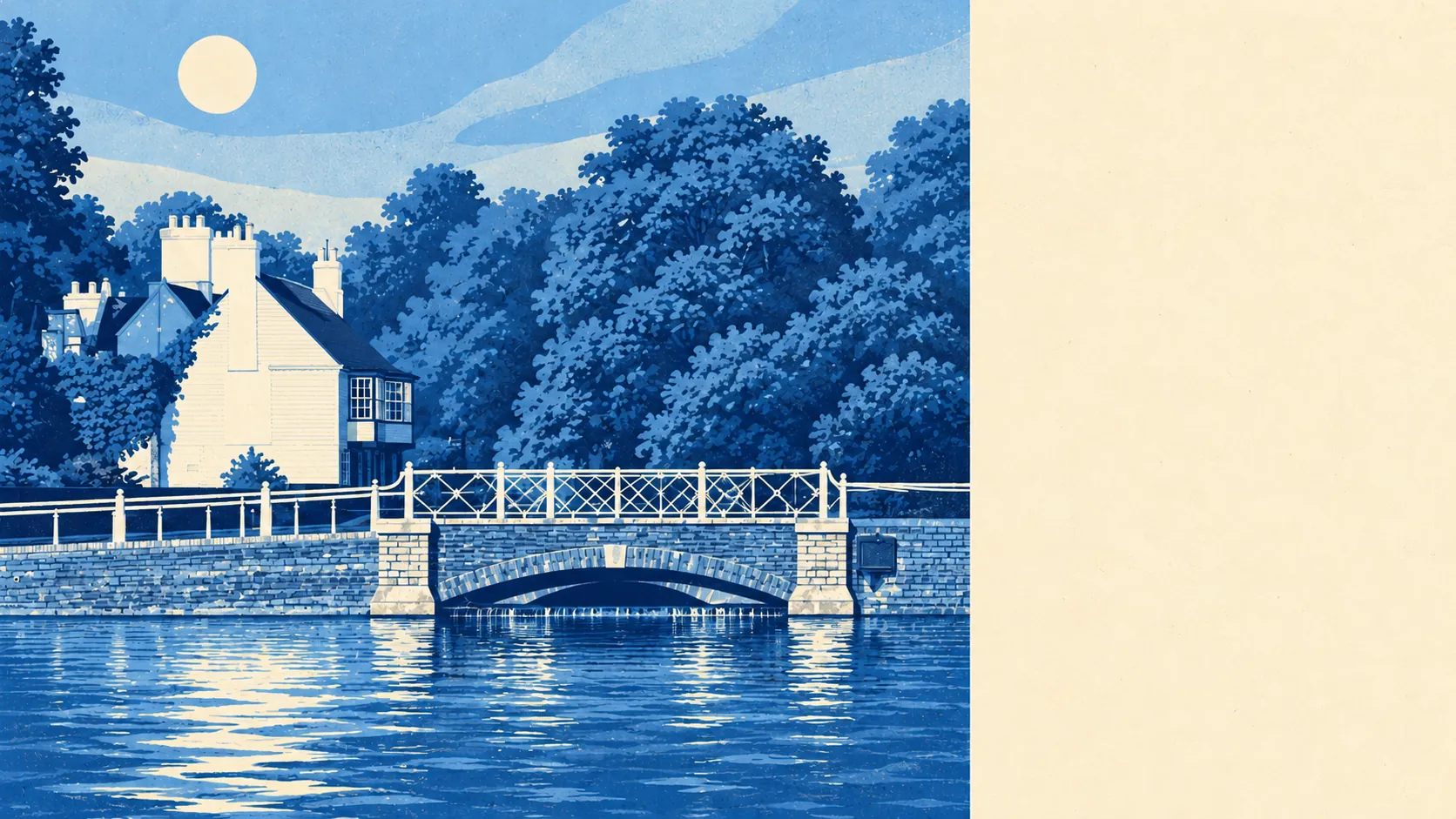
Carshalton earns its keep outdoors. The average home is about 145 metres from green space, with about 27 green spaces within a kilometre, and the nearest water is roughly 575 metres away. Carshalton Ponds feed the River Wandle, and lavender still grows at Oaks Way. Flood risk varies by postcode. About 12% of postcodes are at high risk on at least one flood measure, surface water included, and 24% at medium risk, but only 1% of postcodes are in the Environment Agency's highest river-and-sea flood zone and 3% in the next one down. The rivers account for very little of that 12%, so put the exact address into the Environment Agency's long-term flood risk checker, which shows the surface-water risk street by street. Almost the whole area also sits on clay that shrinks and swells, which matters to anyone buying an older house with a big tree outside.
History limits what you can change around the village core. Carshalton has 135 listed buildings: none at Grade I, 6 at Grade II* and 129 at Grade II. The Carshalton Village Conservation Area covers the ponds and the High Street, and Wrythe Green and Park Hill each have their own conservation area. In these areas, new windows, extensions and even a front wall can need permission first. Oliver Reed paid to restore the Orangery in The Square, and it later became Environment Agency offices. Few buildings have had a less rock-and-roll ending.
The people here are mostly owners in mid-career. About 65% own their home, the median age is 39, and modelled gross household income averaged about £82,000 across the area in the financial year to March 2023. The Wrythe, around its old green to the north, and Little Woodcote, out among the smallholdings to the south, are covered by this page too. Life looks different at each end.
Carshalton suits families who put schools first, people who want a park within reach of every front door, and commuters who can live with a train from somewhere near the house. It suits buyers who want a village High Street with London Victoria within reach, and who will pay for both.
It is harder for anyone hoping a smaller budget will stretch further here than in the rest of the borough, for buyers who want to modernise a period house near the ponds without planning permission, and for anyone who needs a station on their own street.
The names linked to the area are an odd mix. Sir John Major, Carl Cox, Pauline Boty and Les Gray all appear on the borough's list for Carshalton. Frank Dickinson spent 1902 to 1904 building Little Holland House by hand, and it is open to the public once a month.
Carshalton is a good place to live, and better than its prices first suggest. Its strength is the land around the homes: the ponds, the parks and the green spaces a short walk from the door. The weak spot is price, because none of that comes cheap. Buyers who want green space that close to London should stop hoping for a bargain and plan to pay for it.