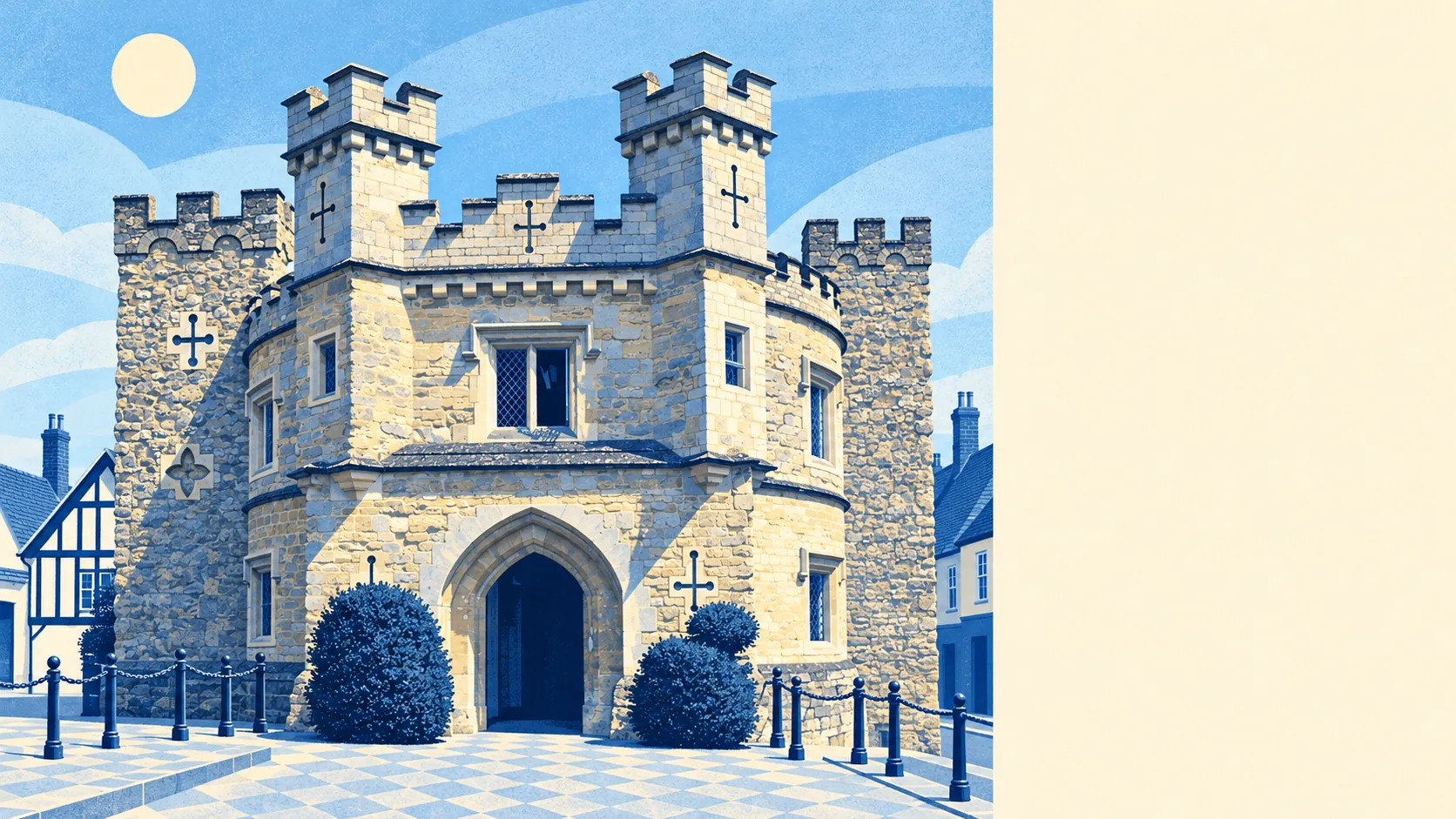
Yes, you can extend most houses in Buckingham, but in the old centre you need permission for almost everything. Two hundred buildings are listed. The town centre and Maids Moreton are both conservation areas. Out on the newer estates, the rules are close to ordinary. The kind of house you buy matters more than the town.
Historic England lists 200 buildings in the area: 3 at Grade I, 8 at Grade II* and 189 at Grade II. Listing protects the whole building, inside and out, so replacing windows, taking out a wall or adding an extension at the back all need listed building consent on top of any planning permission. Grade II covers 189 of the 200, so almost every listed house in town is Grade II.
There are 2 conservation areas, Buckingham and Maids Moreton. Inside them, changes that would go ahead without a planning application on an ordinary estate can need one, especially anything visible from the street, and the council judges each proposal by whether it fits the character of the area. A side extension that goes through without trouble on the Lace Hill estate can become a long exchange of letters if the house is on a Georgian street in the centre. Find out from Buckinghamshire Council whether the house is listed or inside a conservation-area boundary while the survey is being booked, because that answer decides how much of your plan is up to you.
There is 1 scheduled monument in the area. That is the strictest level of protection, and it mainly matters if your plot or your plans come close to it.
The neighbours are building anyway. Buckinghamshire Council received 490 planning applications for the area between April 2024 and June 2026, and 465 of them came in the twelve months to June 2026. People do get extensions, garden rooms and loft conversions built here. The paperwork just takes longer the closer the house is to the market square.
The ground can cause problems too. The British Geological Survey puts parts of the area in class 3 for shrink-swell, the risk of clay soils expanding when wet and shrinking when dry, and about 26% of the area reaches that class. On those soils, extensions usually need deeper foundations. Ask a structural engineer to look at the ground before the foundations are designed, especially if there are large trees nearby, which take water out of clay. It is a building cost to plan for, and it doesn't mean the house is at risk.
In practice, the town splits in two. Most of Buckingham's houses were built after the town's planned expansion from the 1970s, and on those streets, permitted development rights often let you build a modest rear extension or loft conversion without a full planning application. Check the original planning permission for the estate, because some come with conditions that take those rights away. On a listed building, or in a conservation area, start from the assumption that most changes need consent and a conversation with the council.
Buckingham gives you less freedom than most towns to extend or alter a home, because so much of the centre is listed or in a conservation area. If you want to build without asking anyone, buy on the newer estates. If you buy a Georgian house in the centre, expect to apply for consent for most changes.