Usually you can, though there are rules to follow and the clay underneath needs some respect. A couple of dozen buildings are listed. One conservation area falls inside the boundary. Most homes are post-war and protected by nothing in particular. The bigger issue is what the ground does in a dry summer.
There are 26 listed buildings in and around Bromham: two Grade I, none Grade II*, and 24 Grade II. Listing covers the whole building, inside and out, so any change that affects its character needs listed building consent on top of any planning permission, and that includes extensions, new windows and taking out internal walls. Twenty-six buildings across a village of about two thousand households means the rules affect very few owners. If you buy one of those buildings, though, every alteration will need the council's say-so.
One conservation area, Biddenham's, falls within the mapped area around the village. A conservation area brings extra planning controls: tighter limits on what you can do without permission, and the council looking more closely at materials, demolition and anything visible from the street. For most of Bromham this won't apply, but check on the council's map which side of the boundary your house is on.
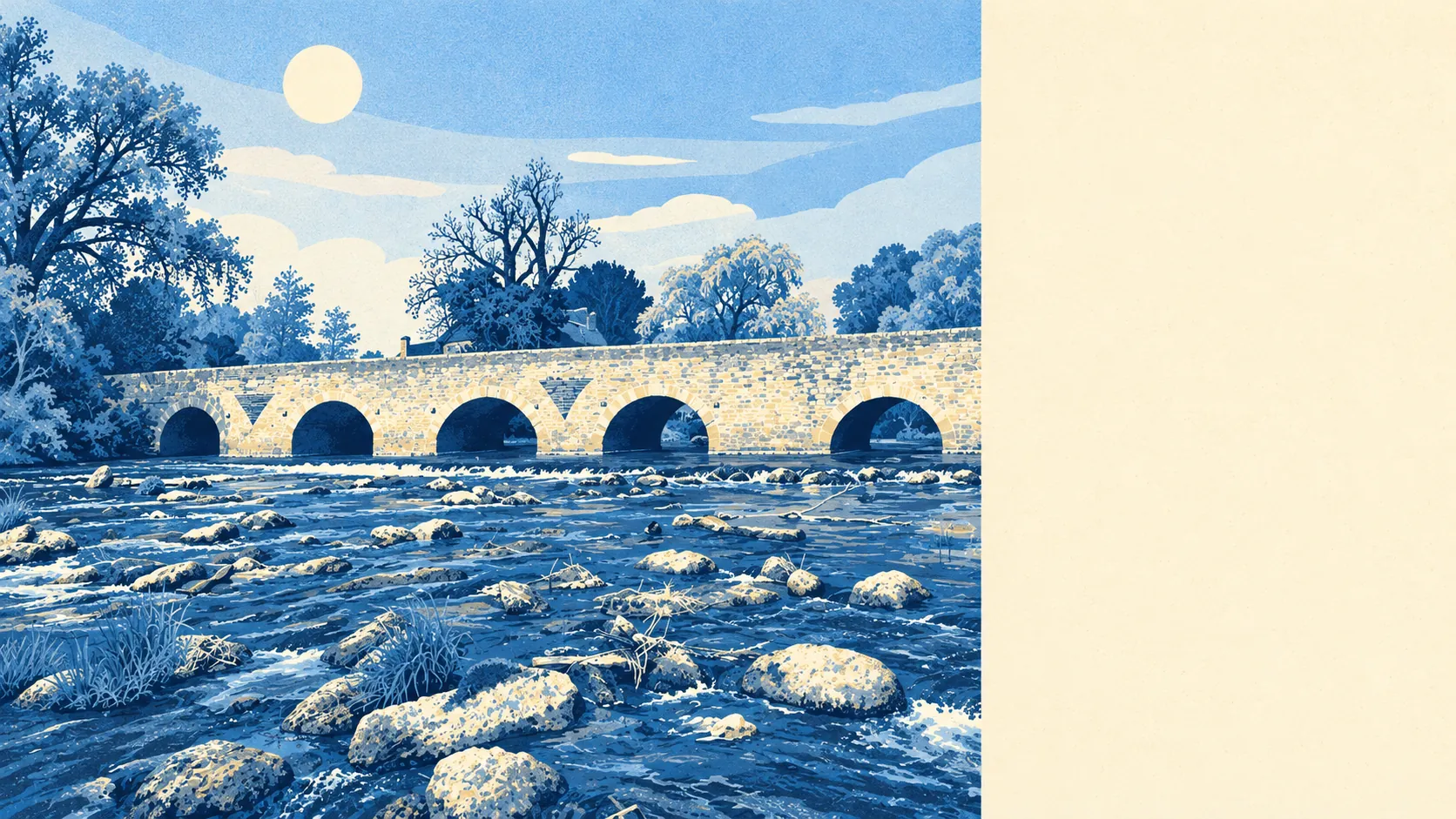
There is one scheduled monument, Bromham Bridge. Scheduling is the strictest protection there is, and it matters mainly for work on or near the monument itself.
The neighbours are certainly building. Between April 2024 and June 2026, 1,168 planning applications were lodged for the area, 541 of them in the last twelve months. That's plenty of people adding a room, a garage or a new roof, and the planning portal shows a long list of them. With that many applications going in, plenty of houses on any given close will already have had some building work.
The ground matters more than the heritage. The British Geological Survey puts Bromham's shrink-swell hazard at class 3 across the whole of the area. Clay at that level swells when wet and shrinks when dry, and a new extension can move differently from the original house next to it. In practice that means deeper foundations, more care near trees, and a structural engineer looking at the design before building control sees it. None of that stops you extending, but the foundations will cost more than in a village on firmer ground.
For most owners of an ordinary post-war semi or detached house outside the conservation area, many modest rear extensions and loft conversions can go ahead under permitted development rights, the standard allowances that don't need a full application. Anything bigger, anything on a listed building, or anything in the conservation area needs consent from Bedford Borough Council. Ask the council for the property's planning history early on, because past extensions and any conditions attached to them affect what is still allowed.
Your freedom to extend in Bromham is middling. The heritage rules affect very few houses, but the clay affects all of them, so most extensions are possible as long as the foundations are done properly.