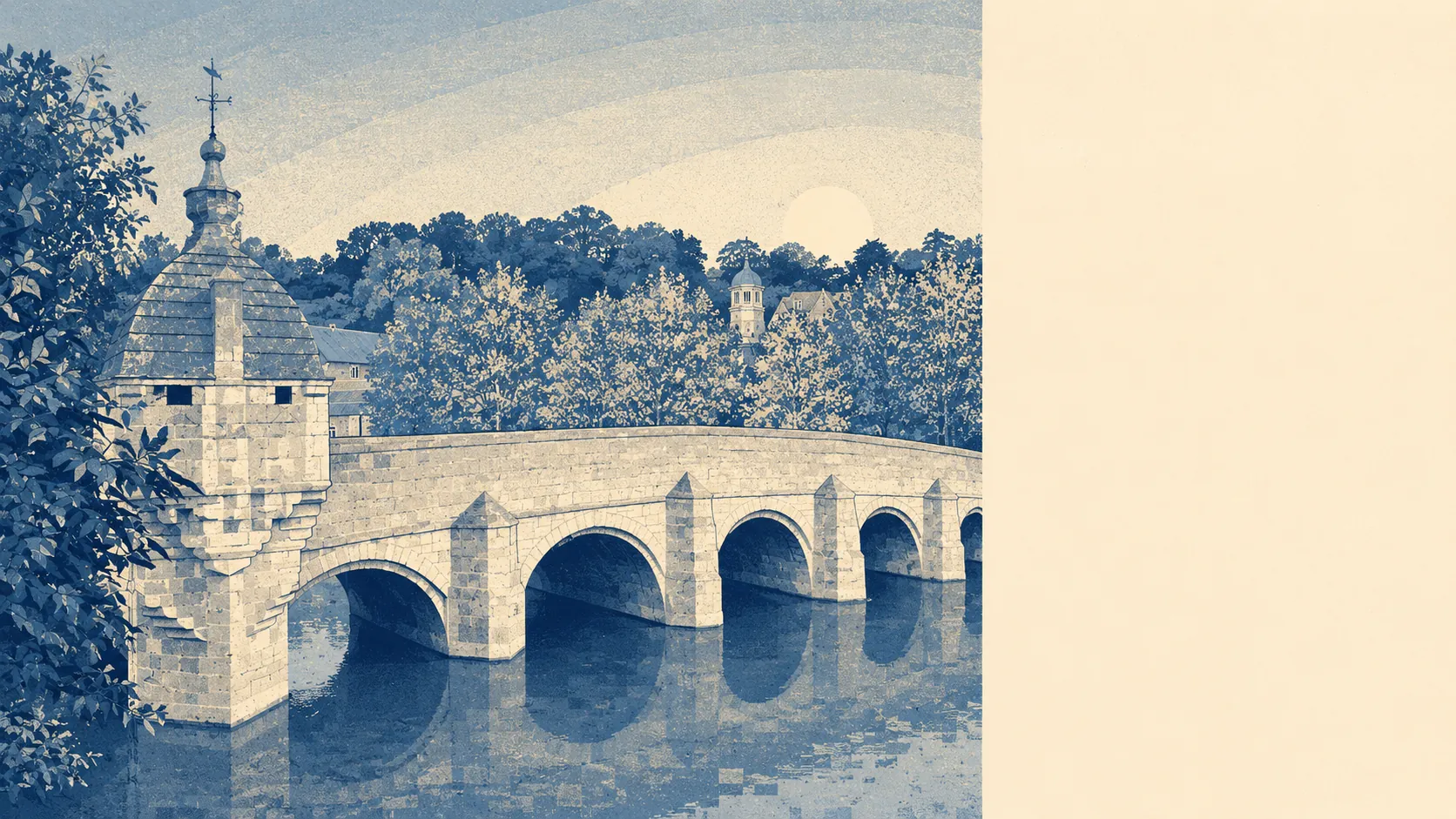
Yes, with permission, patience, and somebody else's opinion about your windows. Hundreds of buildings in this town are listed. The whole centre sits inside a conservation area. Hundreds of applications still go in every year. Extending here is not forbidden, it is negotiated, and the negotiation is the part people underestimate when they fall for the stone.
There are 333 listed buildings in and around the town. Of those, 8 hold Grade I, the highest tier, 30 are Grade II star, and 295 are Grade II. Listing is the constraint people misunderstand most: it covers the entire building rather than the pretty elevation facing the street, and it reaches inside. Replacing a staircase, opening up a chimney breast, swapping a window frame for something that keeps the heat in, all of these can require listed building consent, and doing them without it is a criminal offence rather than a paperwork oversight. For the Grade I and Grade II star buildings the bar rises again, because at that level the building is nationally significant and the presumption sits firmly with keeping it as it is.
The town also has a conservation area covering its historic core, which catches a great many houses that are not themselves listed. Designation typically restricts what can be done without consent: demolition, work to trees, and the sort of external alterations that would be permitted development elsewhere. Owners who assume the rules only apply to the listed neighbour tend to find out otherwise at the point they have already ordered the materials.
Two scheduled monuments sit within the area as well. That is the strictest protection in the English system, and it matters mainly for anyone whose land runs close to one, where consent operates under a separate regime from ordinary planning.
None of which means nothing gets built. Wiltshire Council received 531 planning applications across the town between April 2024 and June 2026, with 240 of those in the most recent twelve months. That is a steady flow of people extending, converting, reroofing and rebuilding, and it is the honest counterweight to the heritage numbers. Houses here do get altered. The route to altering them simply runs through a planning officer rather than around one.
The practical version is this. Assume nothing about permitted development until you have checked the specific address, because both listing and conservation area status can strip out rights that apply freely a mile down the road. Get the designations confirmed before you exchange, not after. Where the building is listed, budget for a heritage statement and a longer timetable, and expect the questions to be about materials and detailing rather than about whether you are allowed a bigger kitchen. Estate agent listings that mention scope to improve are describing a possibility, not a permission.
Freedom to alter your home is the weakest thing about buying in Bradford-on-Avon, and it is weak by design rather than by accident: the constraints are precisely what stopped the town being knocked about in the twentieth century, and they are the reason the place is worth what it is worth. The stone is the asset and the paperwork is the price, and anyone who wants one without the other should be shopping somewhere newer.