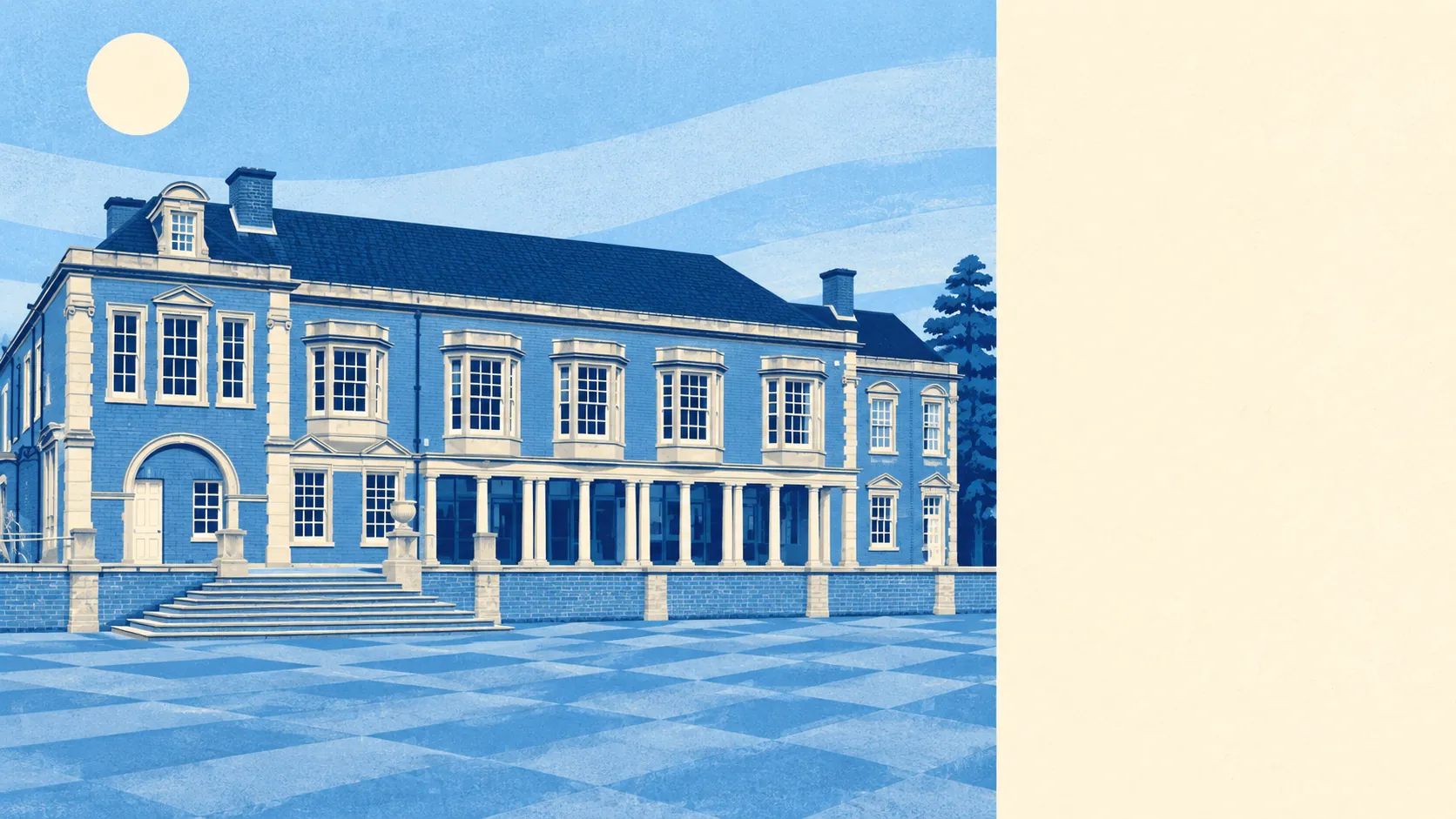
Yes, in most of Bracknell you can extend, because most of the town was built too recently for anyone to have listed it. There are fewer than a hundred listed buildings. None is at the top grade. There are only two conservation areas. The planners who protect old buildings had little to work with here, because the planners who built the new town got there first.
Across the area there are 98 listed buildings: none Grade I, one Grade II* and 97 Grade II. Listing covers the whole building, inside and out, so changing a listed home usually needs listed building consent on top of any planning permission. That includes work that would be routine anywhere else. A Grade II listing affects a new window, an internal wall or a chimney breast as well as an extension. If the house you're viewing is one of the 98, find out before the conversation turns to knocking through into the kitchen. Everyone else is working with post-war houses that nobody in a heritage office has ever looked at twice.
There are 2 conservation areas in the area, Easthampstead and Winkfield Row. Inside a conservation area, changes that affect a building's outward character, including some demolition and work to trees, can need consent that would not be needed a street away. The old village around the church at Easthampstead is the part of Bracknell the planners kept, and the council keeps a close eye on it.
There are 3 scheduled monuments in the area, the strictest tier of protection. One is the Bronze Age barrow on Bill Hill. They matter mainly if your land is next to one, and the few people with a burial mound at the end of the garden usually know about it already.
The neighbours are certainly building. The borough's planning records show 4,639 applications between April 2024 and July 2026, and 1,853 in the twelve months to July 2026. Those counts don't say how many were approved, only that people here keep submitting plans. In a town of garages and side returns, somebody on your road has almost certainly drawn one up.
Many common extensions to an ordinary house outside the protected areas fall under permitted development, which means planning permission is not needed if the work stays within set limits for size and position. A listed building, a conservation area or a flat takes you outside the simplest route, and so does any project big enough to bother the house next door. Check the council's planning records for the address and ask for a lawful development certificate if you want it in writing before the builders arrive.
Your freedom to extend in Bracknell is about average. The protected pockets are small, but they're real, and the rest of the town is subject to the same planning rules as anywhere else. The house's history is rarely the problem, but how close it is to the house next door can be.