Yes, for most houses in Worplesdon, as long as yours isn't one of the old ones. Only a couple of dozen buildings are listed. There's one conservation area. The planning office is busy anyway. For most homes the rules are the ordinary ones, and so are the disputes with the neighbours.
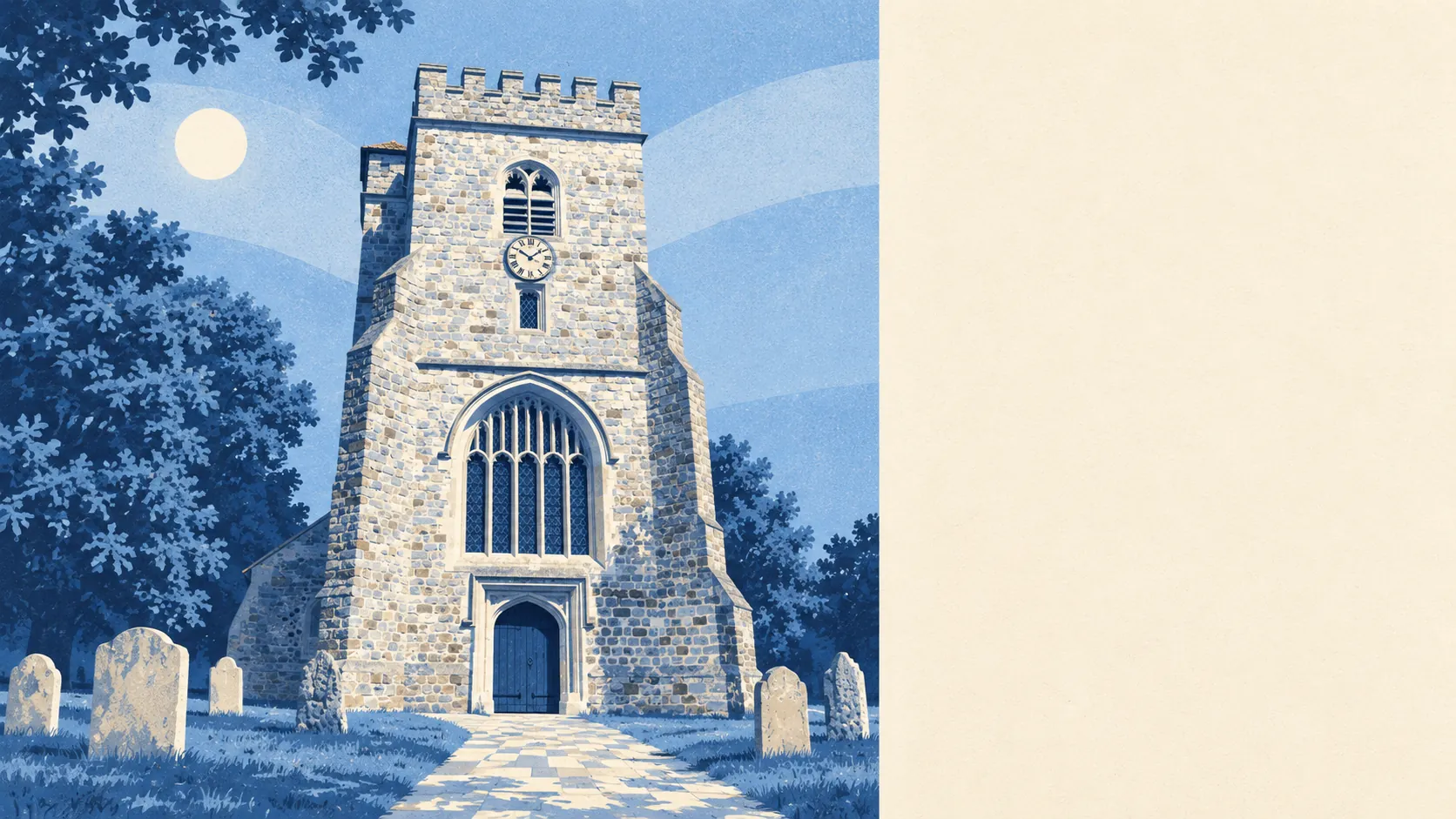
Historic England lists 26 buildings in the area: one at Grade I, one at Grade II* and 24 at Grade II. Listing covers the whole building, inside and out, not only the front. Almost any change that affects its character, from knocking through a wall to replacing a window, needs listed building consent on top of any planning permission, and the council looks harder at Grade I and II* than at Grade II. If you're thinking of buying one of those 26, budget for a specialist before an architect. Ask to see the consents for any changes made so far. Otherwise the seller's lovely new kitchen can become your enforcement notice.
There's one conservation area, Worplesdon itself. Inside it, some of the building work a householder could normally do without applying for planning permission gets restricted, and the council cares more about how the street looks: materials, extensions visible from the road, anything that changes the character the designation is there to protect. Outside it, and away from the listed buildings, you're working under the usual rules.
People here extend their homes all the time. Between April 2024 and June 2026, the planning records for the area logged 1,860 applications, 775 of them in the twelve months to June 2026. That's plenty of extensions, loft conversions and garden rooms being put forward. It doesn't tell you how many were approved, and nobody should read an approval rate into it. It does tell you that "potential to extend, subject to planning permission" is a phrase every other listing here uses. The planning permission part is the bit that takes months.
In practice, a house outside the conservation area and not listed can often take a modest rear extension or loft conversion under permitted development, the national allowances that don't need a full application. Larger or more visible work needs planning permission. Inside the conservation area, check what permitted development still covers before you draw anything. For a listed building, assume every change needs consent until the council tells you otherwise. Before you exchange contracts, it's worth asking the council what applies to the specific address.
Your freedom to extend here is middling. For most houses the rules are the ordinary ones. For the listed buildings and anything inside the conservation area, the conversation starts at the council.