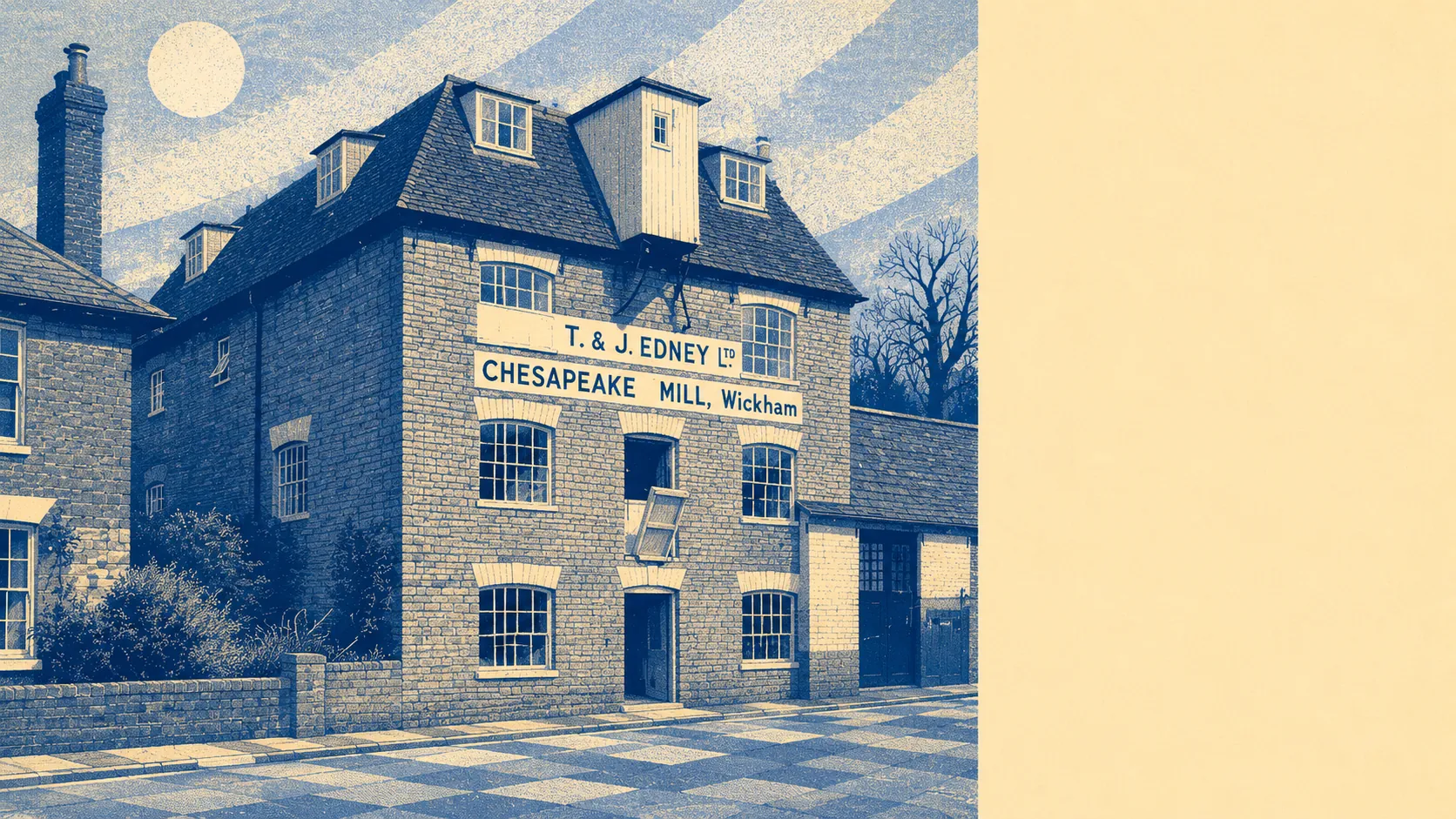
You can extend a house in Wickham, but the village makes you ask nicely first. This is one of the more heavily protected corners of Hampshire, with a dense cluster of listed buildings and a scatter of conservation areas laid over the older streets. Plenty of homes here come with strings attached to the brickwork. The paperwork is real, the approvals are slower, and the freedom you might have taken for granted elsewhere is trimmed. None of that means no. It means prove it.
Start with the listed buildings, because they are the sharpest constraint. There are 206 of them in the wider area, and while the overwhelming majority sit at the standard Grade Two level, five carry the top Grade One protection and around a dozen the middle Grade Two starred rank. If your house is on that list, the listing does not stop at the front elevation. It reaches inside to the staircase, the fireplaces, the original windows and anything the listing considers part of its character, and altering any of it needs formal consent rather than a builder and a weekend. Owning one of these is a custodianship as much as a purchase, and the rules treat it that way.
Then there are the conservation areas, and Wickham sits inside its own. Six of them fall across the surrounding frame, taking in the village itself alongside places like Titchfield Abbey, Shedfield and Southwick. A conservation area does not freeze a house the way a listing does, but it tightens the screws on the things that shape the street scene. Demolition, larger extensions, and changes to the look of a property face closer scrutiny, and some of the permitted-development shortcuts that homeowners lean on elsewhere are curtailed inside the boundary. The point of the designation is to keep the postcard intact, and it does that by making individual owners check before they act.
In practice this splits Wickham into two experiences. A modern house on the fringe, outside the protected zones and off the list, behaves much like anywhere else, with the usual permitted-development freedoms for a modest rear extension or a loft conversion within the normal limits. A period property inside the conservation core, or a listed one anywhere, works to a different rulebook, where even sympathetic changes go through the council and unsympathetic ones simply do not happen. The sensible move is to confirm the exact status of the specific address, listed or not, inside the conservation boundary or outside it, before you draw up a single plan, because the answer changes everything that follows.
The verdict is that Wickham gives you less room to swing a hammer than most places. The heritage that makes the village worth buying into is the same heritage that limits what you can do once you own a piece of it. Buy here for the character, not for a blank canvas, because the planners guard the character closely and they were here long before you.