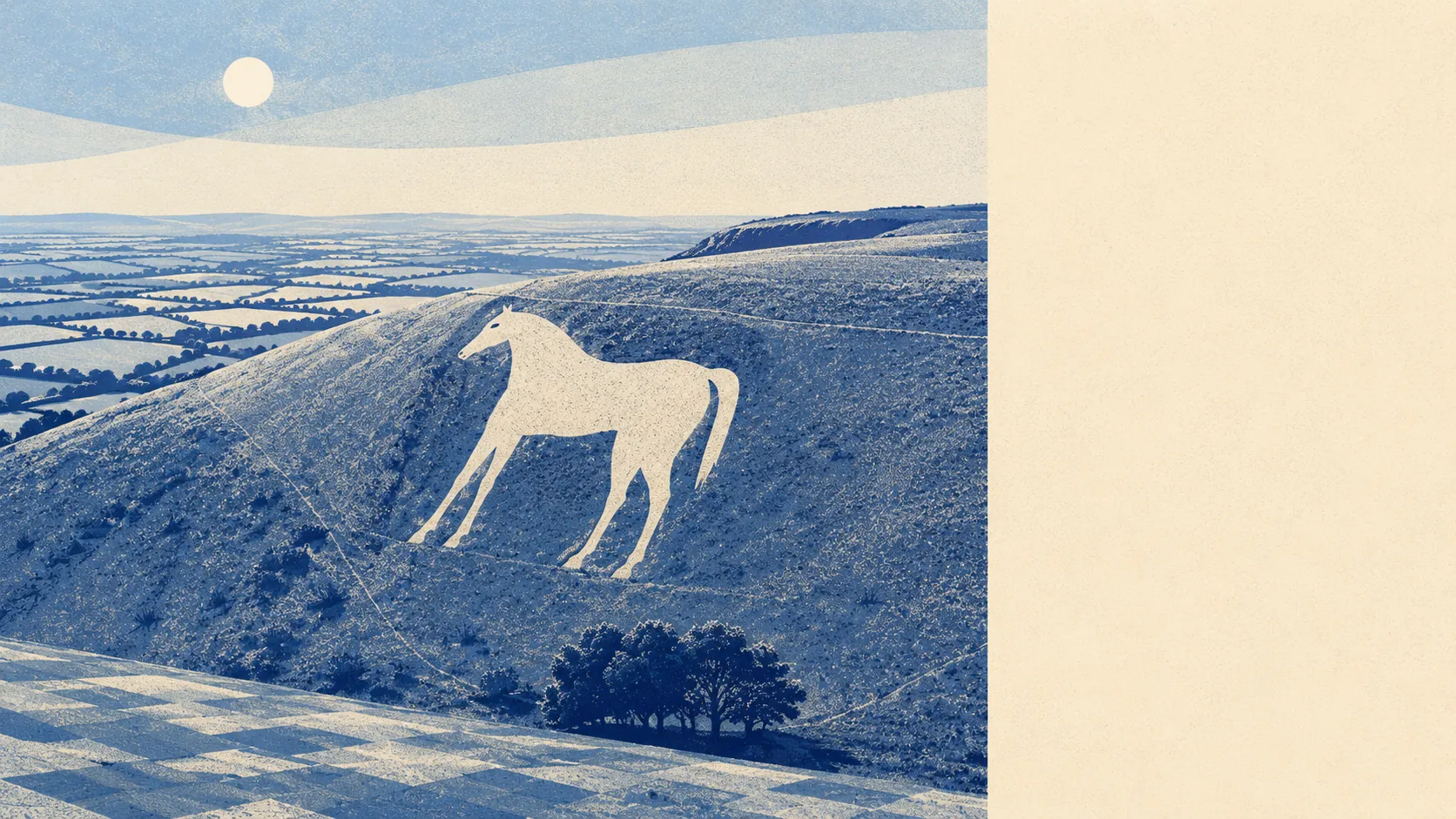
Almost certainly, unless you have bought one of the listed ones. The protected stock is concentrated in the old centre and thins out fast beyond it. One conservation area, covering the historic core. Hundreds of applications have gone in over the past couple of years, so this is not a town where people give up and move instead. The constraint here is geological before it is bureaucratic.
There are 169 listed buildings in the area. One is Grade I, seven are Grade II star and the remaining 161 are Grade II. That distribution matters more than the headline: the overwhelming majority sit at the lowest grade, which still means listed building consent for anything affecting character, inside as well as out, but does not put you in the same conversation as the church. Listing follows the building rather than the boundary, so a modest cottage on the fringe can carry heavier obligations than a large house two streets away. Anyone who assumes the protection stops at the front door has not read the guidance.
One conservation area covers the historic centre, and the practical effect is that permitted development rights are trimmed rather than removed. Demolition, tree work and some alterations that would be automatic elsewhere need the council's view first inside the boundary. Windows are usually where this becomes a real conversation.
Four scheduled monuments sit in the surrounding landscape, mostly barrows and earthworks on the downland rather than anything in a back garden. Scheduled monument consent is the strictest tier in the system, and it is only your problem if your land touches one, which for the overwhelming majority of Westbury houses it does not.
The live evidence is that people alter homes here constantly. There have been 408 planning applications across the area between April 2024 and June 2026, with 174 of those in the last twelve months. That is a town where extensions, loft conversions and garden rooms are routine business rather than an act of civic defiance.
The ground is the thing worth budgeting for. The British Geological Survey rates shrink-swell hazard at class 3 across the area, with about 83% of it reaching that class or above. Class 3 is a moderate rating rather than an alarming one, but it is a real one: this is clay country, the same Kimmeridge Clay that gave up an almost complete pliosaur skull with a two-metre lower jaw from the pits north-east of the town in 1994. Clay that preserved a marine reptile for 150 million years is clay that moves with the seasons. In practice that means deeper foundations than a sandy site would need, a structural engineer's input at design stage, and caution about mature trees near the extension footprint. It is a cost line, not a reason to abandon the plan.
One listed building in the area appears on Historic England's Heritage at Risk register. That is a statement about a specific building's condition and the repair funding it may attract, not a warning about the neighbourhood. It has no bearing on an ordinary house nearby beyond signalling that the town's heritage receives active attention.
For most Westbury addresses, the practical position is straightforward: standard permitted development rights apply, and the usual limits on size, height and position are what govern the project. Inside the conservation area or on a listed building, assume consent is needed and get the design advice before the builder's quote rather than after. The order those two happen in is what separates a smooth project from an expensive one.
Freedom to alter a house here sits in the middle of the range: a small protected core, a large unprotected majority, and a clay subsoil that quietly sets the budget for everyone regardless of which side of the line they are on.