Yes, if you can live with the price of the hill. Eight in ten households own their home. Nearly half the workforce works from home. Crime runs well under the rest of the district. The commuter belt has mostly stopped commuting, and it hasn't missed it.
The housing has no single type in charge. On the council-tax valuation list, flats make up about 32% of homes, detached houses 26%, semis 22%, bungalows 10% and terraces just 9%. Only about 20% was built before 1930, so this is a post-war village built around a much older centre. Energy certificates put about 41% of certificated homes in bands A to C, 44% in band D and 15% in E or worse. About 80% of homes heat with mains gas and about 7% on electricity alone. A tenth of the place is bungalows, and on the scarp slope of the North Downs that counts as forward planning for the knees.
The Land Registry recorded 101 sales in the year to May 2026, at a typical price of about £506,000. Detached houses went for around £864,000 across 34 sales, semis around £503,000, flats around £282,000, and terraces around £405,000 from only nine sales. The most common council-tax band is E, and only about 4% of homes are in bands A or B. First-time buyers get the flat. Everyone else gets a long talk with the bank.
Renting is a minority pursuit here. The Office for National Statistics puts typical private rent across the whole of Tandridge at about £1,610 a month as of April 2026, up 3% on a year earlier. A family house up on the ridge can come in either side of that district figure, and the landlord will have a view on which side.
Surrey Police recorded crime at about 58 per 1,000 residents in the year to May 2026, well below the Tandridge average of about 70 per 1,000. The mix leans towards property. Burglary is about 7% of recorded crime here against about 4% across England and Wales, and vehicle crime about 9% against 5%. Plenty of households here run two cars or more, and the thieves who come up the hill are mostly after the driveway.
Hamsey Green Primary, Warlingham Village Primary School and Warlingham School all serve the area. The four primaries counted in Warlingham's postcodes average a Key Stage 2 maths score of about 104. The one secondary counted has an Attainment 8 average of about 44. Across Surrey, Ofsted has graded 147 of 159 inspected settings good or outstanding, 30 of them outstanding. That is a county-wide count, though it is still the main reason families are here, and it explains the parents who know the admissions criteria better than their own bin day.
There are plenty of stations nearby: Upper Warlingham, Whyteleafe, Riddlesdown and Woldingham are all close. Even so, only about 5% of working residents took the train to work at the 2021 Census, against about 41% who drove and about 44% working from home. The 51 bus stops average about 108 weekday departures each, and about 98% of them have a weekend service. Gigabit broadband reaches about 71% of premises and superfast about 97%, and indoor 4G or 5G from every operator covers almost everywhere. The Department for Transport's 2019 modelling put the nearest town centre about 23 minutes away by public transport and 13 by car, and a hospital about 59 minutes by public transport. Bus timetables have changed since 2019, so trust the car times more than the bus times. The valley the Luftwaffe used as Bombers' Alley now carries the school run.
No part of Warlingham is in the Environment Agency's river-and-sea flood zones 2 or 3, as you would hope for a village on a chalk ridge. Surface water is another matter. About 6% of postcodes are high risk on at least one flood indicator, about 9% medium and about 25% low. Rain still runs downhill, and here the whole village is the hill. Green space is close, with the nearest about 217 metres away on average and about 13 within a kilometre. Blanchman's Farm Nature Reserve has been Tandridge's first community wildlife area since 1991. Every postcode here is in the moderate radon band, so add a radon test to the survey list.
There are 17 listed buildings: two at Grade II*, the Church of All Saints and The Vicarage, and 15 at Grade II. No conservation area covers the village. For most owners, extending a post-war semi means the ordinary planning process and nothing more. All Saints has stood since around 1250, so it has had plenty of time to get used to the loft conversions.
About 79% of households own their home and the typical resident is about 45. The Office for National Statistics models gross household income at about £69,000 for the financial year to March 2023, an average across the area's neighbourhoods. The page also covers Chelsham and Farleigh, high on the Downs and mostly fields and woodland, and Woldingham, further down the valley. Together they make a place where people buy once and stay put, and where the sports club has been going since 1856.
Warlingham suits families who want strong schools, a garden and a commute they mostly do from the kitchen table. It suits people who drive without complaining, and buyers who like their London visible from a distance and reachable when needed. Downsizers who want a bungalow near a GP and a pharmacy will find more choice here than in most Surrey villages.
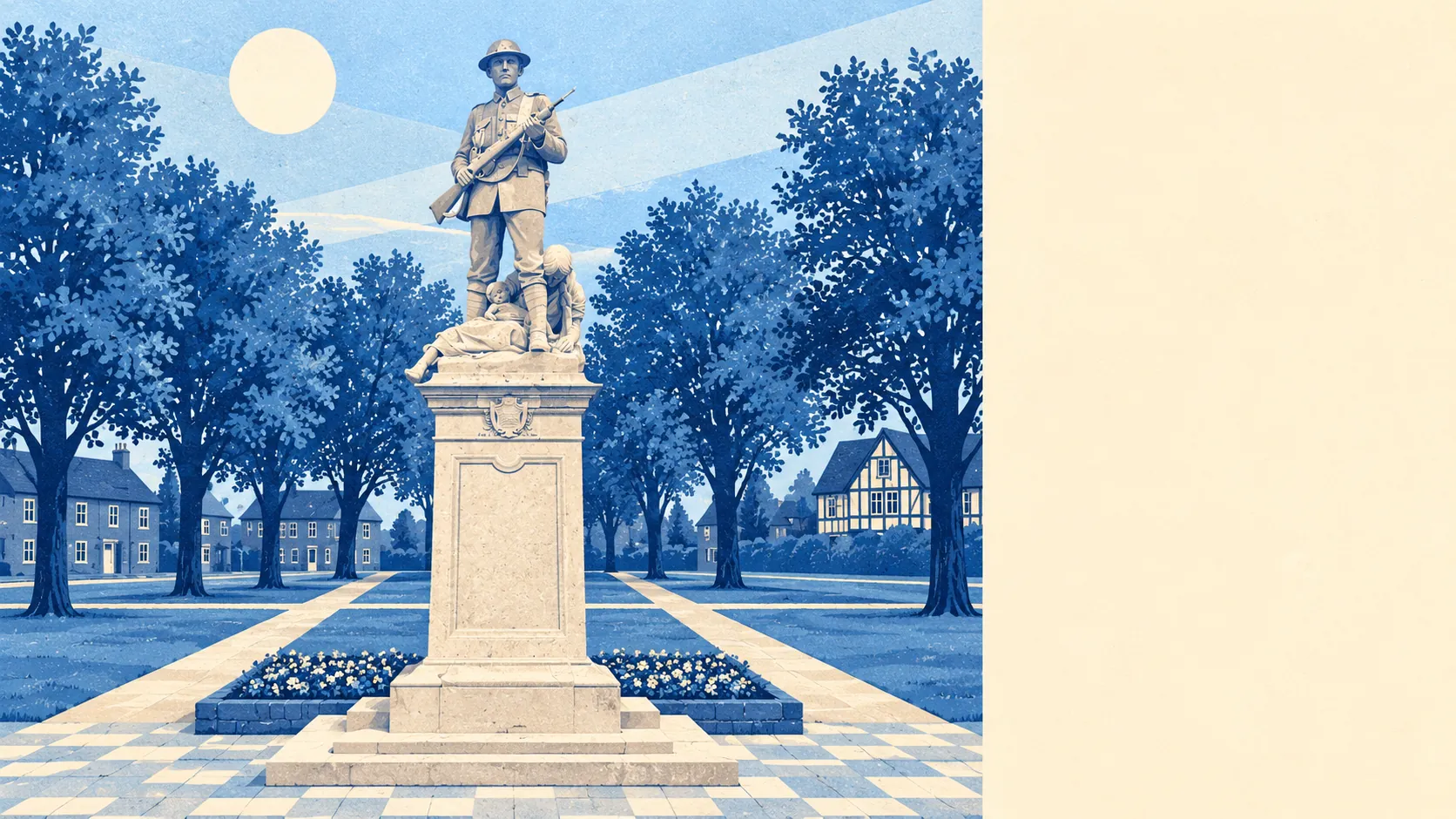
It suits young renters less well, since rents are set by Tandridge-wide demand and there are few flats for the money. If you need to be in central London five days a week by train, you'll be one of a small minority on the platform. Anyone who wants a pub crawl, a late bar or a high street with a pulse will find the green and the war memorial pleasant and fairly short.
Warlingham is a good place to live for people who have already earned the right to be there. Its real strength is the schools, backed by a county where most inspected settings are good or better. The weak spot is value, with a typical sale above half a million and a detached house costing well beyond that. It costs a lot to live on the hill, and most of the people already up there have decided it's worth it.