The area around Tonbridge is green, wet and close at hand. A park is a short walk from most front doors. The Medway runs through the middle of everything. Gardens are big enough to lose a trampoline in. The countryside starts at the end of most roads.
Green space is close. The average home in Tonbridge is about 205 metres from a public green space, and about 18 green spaces sit within a kilometre. A town that size can't pretend it has no park nearby, and even the most dedicated indoor person will pass a bench on the way to the shops.
Water is almost as close. The average home is about 276 metres from blue space, with about 59 bodies of water within a kilometre, from the Medway itself to the streams the High Street was once built across. The town grew up around a ford, and it still has more water in it than most buyers realise until the first wet winter.
Cycling routes need a bit more effort. The National Cycle Network is about 1.2 kilometres from the average home, and about 26% of postcodes sit close to it. The river paths out towards Haysden are the obvious escape, and the cycle network sits further out than a keen cyclist would like.
Across the area's postcode districts, the rated-premises figures count 1,251 shops, 123 pubs and 104 restaurants. That's a ratio of pubs to restaurants that tells you where the town does its socialising, and it hasn't been reformed by a sourdough bakery yet.
Fine particle pollution across the Tonbridge and Malling council area measured about 7.3 micrograms per cubic metre in 2024. That's a figure for the whole council area, not a reading from the High Street at school pick-up.
The High Weald Area of Outstanding Natural Beauty touches the edge of the area, covering about 1% of it. The protected landscape proper sits beyond the town, not inside it, and the town is close enough to enjoy it without living under its planning rules.
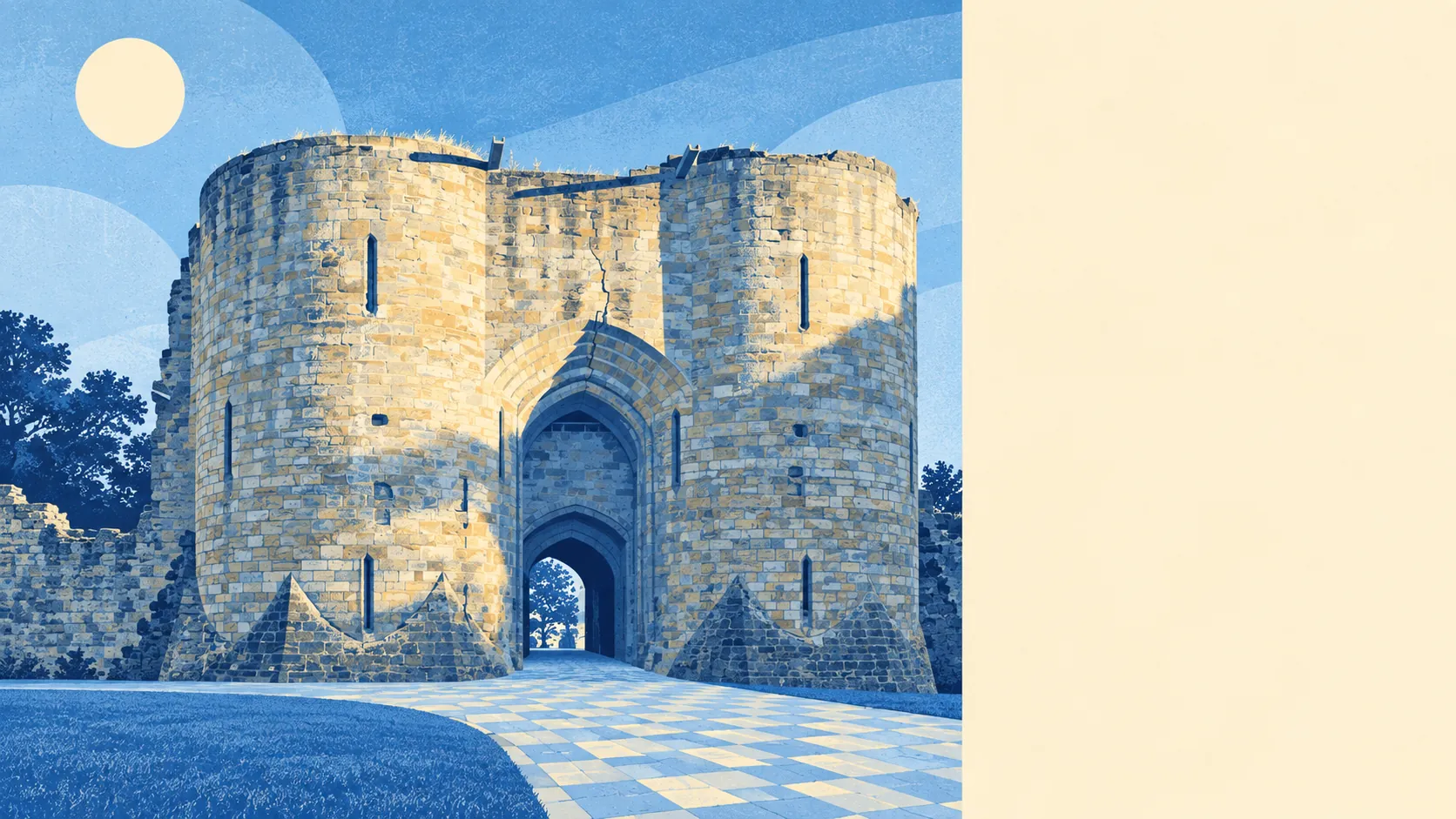
The character is a market town ringed by estates and parkland, with villages close by. Tonbridge Castle and its earthworks anchor the old core by the river, and the registered gardens at Hall Place and Mabledon sit within reach. Tudeley, Leigh and Bidborough are near enough to cycle to for lunch. The town end is busy and practical. Ten minutes out, it's oast houses and footpaths, and the Sunday walk takes care of itself.
Private gardens are generous. Across the town's neighbourhoods there are about 135,000 square metres of private garden for every 1,000 residents, which is a lot of lawn for a town with a railway junction in the middle. The post-war semis that make up so much of the stock came with proper plots, and nobody has yet squeezed a second house onto every one of them.
On the business valuation list, Tonbridge has 939 rateable premises. The largest groups are 238 shops, 176 offices and 104 warehouses. They're premises on a list, not a guarantee of what's open today, but the mix describes a working town that makes and stores things as well as selling coffee.
Of the 204 food businesses with a hygiene rating, about 67% hold the top score of five, and about 3% sit at the bottom. That doesn't name the good and the bad, and nor should it, but the odds of a clean kitchen are on your side.
Beyond that small sliver of the High Weald, no other protected landscape overlaps Tonbridge: no site of special scientific interest and no ancient woodland. That's not a flaw. It reflects a town surrounded by working countryside and parkland rather than a nature reserve, with fewer rules and more footpaths.
The surroundings are one of Tonbridge's real strengths. The green space, the water and the gardens do more for daily life here than anything on the High Street.