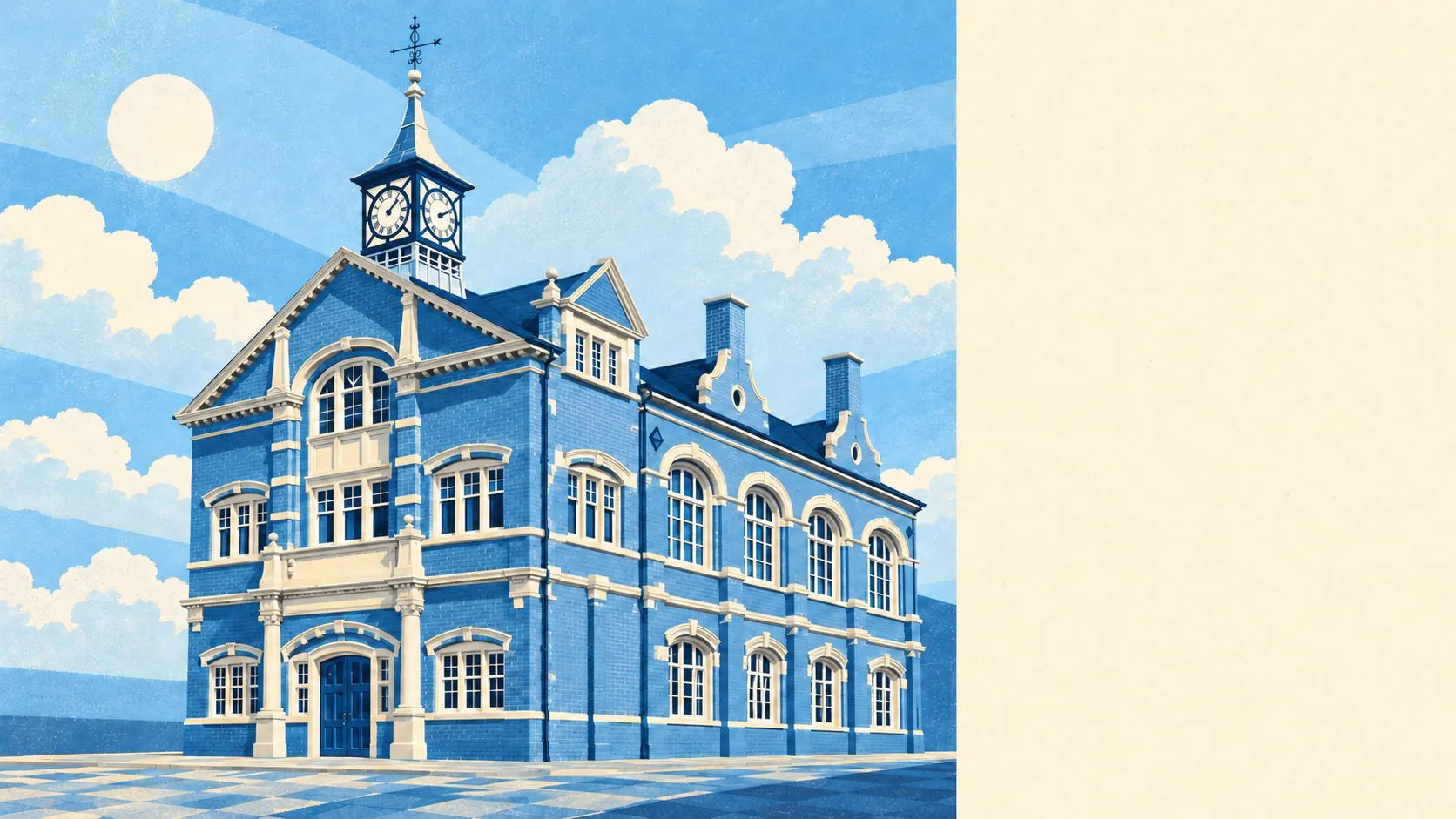
In most of Thame, yes, but the old centre comes with the council's opinions attached. There are well over a hundred listed buildings. There are two conservation areas. Hundreds of planning applications go in every year. A post-war semi can usually get its extension, while a listed cottage in the centre is in for a long negotiation.
Historic England lists 174 buildings in and around Thame. Two are grade I, 11 are grade II* and the other 161 are grade II. Listing covers the whole building, inside and out, so changing a listed building's windows, walls, roof or interior layout needs listed building consent from South Oxfordshire District Council, in addition to any planning permission. Carrying out the work without consent is a criminal offence, and it can't be put right with an apology afterwards. Much of the High Street had its fronts redone in salt-glazed brick in the eighteenth century, so the street has already had its big makeover, and the council would prefer it to be the last one.
There are two conservation areas, Thame and Moreton. Inside them, demolition, some changes visible from the street and work on trees can need consent that wouldn't be needed elsewhere, and the council will judge new work by whether it fits the character of the area. Two houses a few streets apart can face very different rules, so ask the council whether the house you're considering is listed or inside a conservation area, and check that the answer matches what the seller has told you.
There is one scheduled monument within the area, which is the strictest tier of heritage protection. It mainly matters if you are building on land near it.
South Oxfordshire District Council received 922 planning applications for the Thame area between April 2024 and June 2026, and 406 of them came in the last twelve months. That's plenty of people changing their homes. A town where the post-war semi is the typical house was always going to produce a steady flow of kitchen extensions and loft conversions.
The ground matters as much as the paperwork. The British Geological Survey rates the area's clay at class 3 for shrink-swell, and all of the area reaches that class. Clay at that level swells when it's wet and shrinks when it's dry, so an extension may need deeper foundations than a standard design, especially near trees. Get a structural engineer's view early on, before the costs are fixed.
Outside the listed buildings and the conservation areas, many of Thame's homes keep their permitted development rights, which let you build a modest extension without a full planning application within national size limits. Inside a conservation area those rights shrink, and on a listed building almost any change needs consent. Most of Thame's housing is post-war, so most owners fall into the easier category.
How much freedom you have to extend in Thame depends on where you buy. Most homes are as easy to extend as anywhere, while the historic centre will take a lot longer to get through planning.