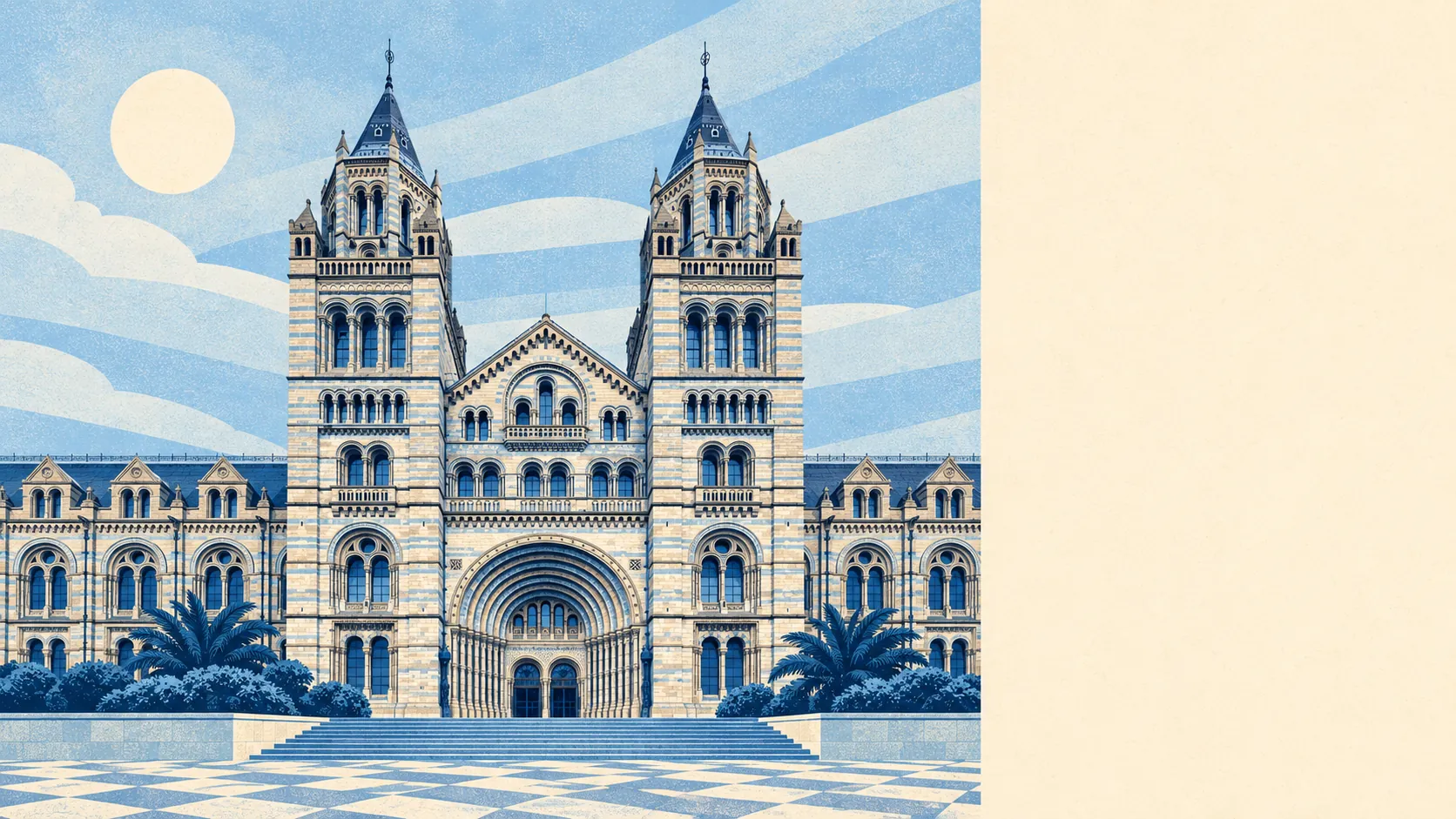
South Kensington is half excellent neighbours and half a pavement that keeps relieving strangers of their belongings. About two in three adults have a degree. Almost everyone reports good health. Recorded crime runs more than 40% above the borough's own average, and an unusual share of it is pickpocketing. The residents are doing fine. Their coat pockets are another matter.
The 2021 Census found about 39% of households owning their home and a typical resident aged 36, young for an address this expensive. The Office for National Statistics models gross household income at about £94,000 a year, averaged across the area for the year to March 2023. Unemployment was about 2% and around 93% of people described their health as good or very good. Two in three adults hold a degree, so even an argument about the bins comes with footnotes.
Safety is the hard part. The Metropolitan Police recorded crime at about 261 per 1,000 people in the year to May 2026, roughly 43% above the Kensington and Chelsea average. The mix tells you what kind of crime it is. Theft from the person makes up about 12% of the total here against about 2% across England and Wales, and other theft about 17% against 7%. Violence and sexual offences make up about 18%, half the national share. The Met as a whole charged about 10% of the crimes it dealt with over that year, below the national 12%. So the risk here is mostly a hand in a bag on a crowded street, and the odds of anyone being charged for it are slim.
The streets are heavily protected. There are 686 listed buildings in and around the area, including seven at Grade I and 52 at Grade II*, and five conservation areas reach into it. Changing a window, a door or a roofline means planning consent first, and the council expects period detail. Two of those listed buildings are on Historic England's Heritage at Risk register. Anyone selling plastic windows door to door can save the bus fare.
The Land Registry recorded 142 sales in the year to late May 2026, at a typical price of about £1,395,000. The 120 flats went for about £1,127,500 in the middle of the range. The 21 terraced houses went for about £3,050,000. Band G is the most common council tax band, and only about 2% of homes fall in bands A or B, so the cheap end of the valuation list barely exists here.
Renting is no escape route. Kensington and Chelsea's typical private rent comes to about £3,600 a month as of April 2026, a borough-wide mean from the Office for National Statistics' rent index. It doesn't measure these particular streets.
The council tax list shows what the housing is made of. About 80% of homes are flats and 15% terraced houses, with detached and semi-detached homes barely registering, and about 79% were built before 1930. Grand stucco terraces were carved into apartments long ago. Of the homes with energy certificates, just under half are rated A to C and 13% E or worse. About 60% of households heat with mains gas, though about 18% rely on electric-only heating. A tall Victorian ceiling looks wonderful in the photographs and costs a lot to heat when the radiators run on electricity.
The river is not the flood concern here. None of the area lies in the Environment Agency's river-and-sea flood zones. Surface water is the issue. Of postcodes, about 20% carry a high rating on at least one flood indicator that includes surface water, about 24% a medium rating and about 43% a low one. When it floods here, the water comes from a downpour.
Schools score well. Ofsted has graded 22 settings for the area: eight outstanding, 12 good, one requiring improvement and one inadequate, so 20 of 22 are good or better. The one primary in the postcode with published results averaged 107 in Key Stage 2 maths. Department for Transport modelling from 2019 puts the nearest primary about eight minutes' walk away and the nearest secondary about 19. Queen's Gate School is local, and so are Imperial College, the Royal College of Music and the Royal College of Art. A child can start school and finish a postgraduate degree in the same postcode.
Getting around barely involves a car. About 57% of households have none. On census day in 2021 about 65% of workers were at home, about 10% walked, about 5% drove and barely 1% took a train. There are 105 bus stops, and a typical stop sees about 29 buses in the peak hour. South Kensington tube station handles the rest. Gigabit broadband reaches about 89% of premises, which helps that home-working majority more than anything on the Piccadilly line.
Green space is closer than the local garage. The nearest patch is about 110 metres from the average home, with about 42 green spaces within a kilometre, including Hyde Park and Kensington Gardens. Water is about 370 metres away on average. Very few homes here have a garden of their own, but nobody is far from a park the size of a small town.
The past residents fit the place. Robert FitzRoy, who commanded the Beagle with Charles Darwin aboard, lived at 38 Onslow Square. Henry Cole, first director of the South Kensington Museum that became the Victoria and Albert, and the inventor of the Christmas card, lived at 33 Thurloe Square. Charles Booth, a pioneer of social research, lived at 6 Grenville Place, and Francis Bacon lived in Reese Mews. Between them, the area can claim natural selection and the card you send to people you never see.
South Kensington is right for well-paid renters and buyers who walk everywhere, work from home and want museums, parks and good schools within walking distance. Anyone who wants a house with a garden, a driveway or the freedom to change their own windows should look elsewhere.
It comes out a solid middle. The neighbours are clever, healthy and comfortably off, and the pavements need watching. Buy here if that sounds like a fair price for living among them. Keep your phone in an inside pocket.