Yes, if you want a house more than you want a story. Two-thirds own their homes. Nearly every home is a house rather than a flat. A patch of green is a couple of minutes from most front doors. It's a place people choose for the practical reasons and then quietly stop apologising for.
The housing is mostly ordinary family stock. Terraces lead, at about 35% of every dwelling on the council-tax list, followed by semis at 26%, detached houses at 16%, flats at 15% and bungalows at 7%. Only about 18% of homes were built before 1930, so the Victorian-cottage fantasy is a small corner of the market, and most of the homes with energy certificates are post-war. Those certificates are better than you might expect for a former brick town: about 58% rate A to C, a third sit in band D and about 9% are E or worse. About 82% of homes heat with mains gas and about 7% are electric-only. Nearly half the households live in a three-bedroom home, which tells you who the town was built for. Families bought here for the garden, and the estate agents are still selling that same garden with the same photographs.
On prices, the Land Registry's last twelve months to May 2026 put the typical sale at about £295,000, across 638 sales. That average means very little until you split it by type. Flats went for about £167,000, terraces about £265,000, semis about £325,000 and detached homes about £427,500. So the house you're picturing sits well above the flat the average makes you think you can afford. The official house price index had local prices up about 4% in the year to May 2026. Council tax lands mostly in band C, with about 34% of homes in bands A or B.
For renters, the typical private rent across the Swale area was about £1,090 a month as of April 2026, up about 2% on the year. That's the whole district, Sheppey included, not Sittingbourne's own figure, so treat it as a rough guide and check what's listed on the streets you're considering.
Crime runs at about 103 recorded offences per 1,000 residents in the twelve months to May 2026, about 2% below the Swale average of about 105. Anti-social behaviour makes up about 23% of the total against a national share of about 16%, and shoplifting about 11% against 8%. That points at town-centre nuisance rather than anything that follows you home. Kent Police charged about 16% of cases over the same period, against about 12% nationally, which is a force-wide figure but still better than the usual shrug. The town's reputation is louder than its numbers, and most of the noise is outside the shops.
Schools are the part estate agents don't need to exaggerate. Across Kent, Ofsted has graded 221 of 245 rated settings good or better, 38 of them outstanding. The twelve primaries in the town's postcode districts average 104 on the end-of-primary maths test, where 100 is the expected standard. At secondary level the town runs on Kent's selective system: Borden Grammar School for boys and Highsted Grammar School for girls, alongside Fulston Manor School, The Sittingbourne School and Westlands School. Children sit the Kent Test for a grammar place, and a lot of parents discover that their whole move depended on one exam morning in Year 6. The modelled walk to the nearest primary is about nine minutes.
Getting around mostly means driving. About 54% of workers drive and about 25% work from home. Only about 3% commute by train, even though Sittingbourne station has direct services to London Victoria and to St Pancras on the high-speed line. The fast train is the reason people give when they buy, and the car is what they use every day after. Kemsley, Teynham, Swale and Newington stations cover the edges of the area. There are 209 bus stops, averaging about 27 weekday departures each where timetable data exists, and about 68% of those stops have a weekend service. Broadband is strong: about 88% of premises can get gigabit speeds and about 97% can get superfast.
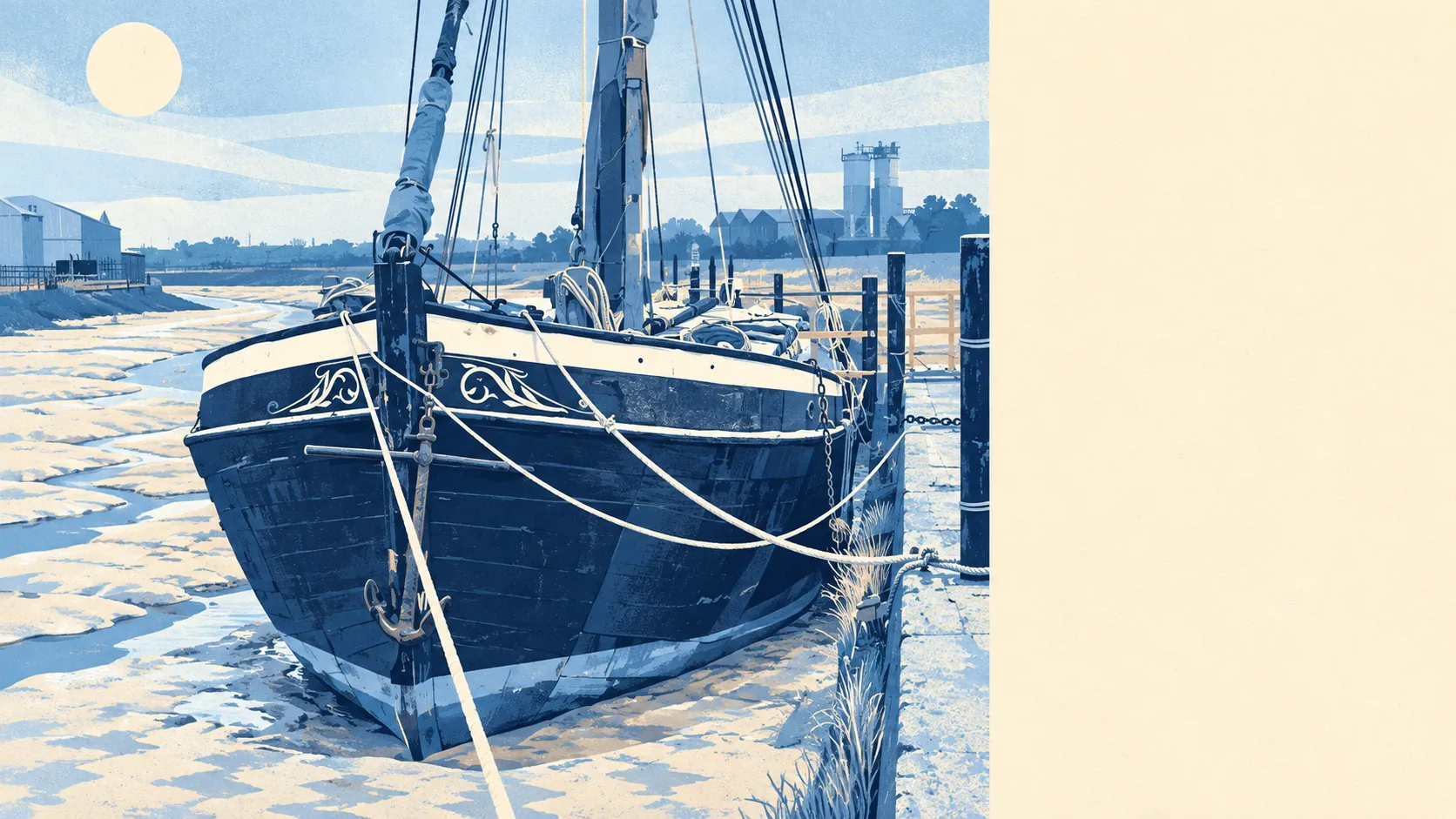
The water around here needs checking before you commit. About 15% of postcodes are at high risk on at least one flood indicator, surface water included, and about 6% are in the Environment Agency's highest river-and-sea flood zone, with another 2% in the zone below that. The last recorded major flood was the sea overtopping the defences in 1953. Most of the town sits well clear of that risk. The creek-side streets are where to get an address-level check. Green space is where the town is strongest: the nearest park or open space averages about 136 metres from home, with about 24 inside a kilometre. Wherever you are in town, there's a field for the dog.
Heritage rules are tighter than the housing mix would suggest. The area holds 166 listed buildings, nine of them Grade I, and eight conservation areas, including the High Street in Sittingbourne and the High Street in Milton Regis, plus Tonge and Tunstall. Buy on one of those streets and replacing a window or adding an extension means asking permission first. Nobody has ever been excited to receive that planning letter.
The people are settled rather than showy. About 67% own their home and the median age is 39. Modelled gross household income averaged about £57,700 in the financial year to March 2023. It's a working town that pays its mortgage and doesn't tell anyone what it earns.
This page also covers Milton Regis, which used to control Sittingbourne back when Sittingbourne was a small hamlet and is still getting over the demotion, along with Kemsley, where the paper company built a model village for its mill workers in 1924, and Teynham out towards the creeks at Conyer.
It suits families who want a three-bed with a garden, a real shot at a grammar school and a train to London they may only use twice a month. It suits people who work from home and want gigabit broadband without city prices.
It doesn't suit anyone who needs a high street with a sense of occasion, or anyone who wants to buy a period house in the old centre and then rebuild it however they like. The conservation officer was there first.
The history is better than the town admits. Henry V stopped at the Red Lion on his way back from Agincourt, and Queen Victoria stayed at the Rose Inn in 1825 before she was queen. The paper mill was once the largest producer of newsprint in the world, and it closed in 2007. Donald John Dean, awarded the Victoria Cross in 1918, came from Sittingbourne. So did the darts player Dave Whitcombe, which is a range of local heroes most towns would envy.
Sittingbourne is a good place to live, and it's better than the way people talk about it. Its real strength is the surrounding area and the green space, which is never more than a few minutes' walk away. The weak spot is how much freedom you get to alter a home in the old streets. Buy a post-war semi a short way out and neither of those will trouble you.